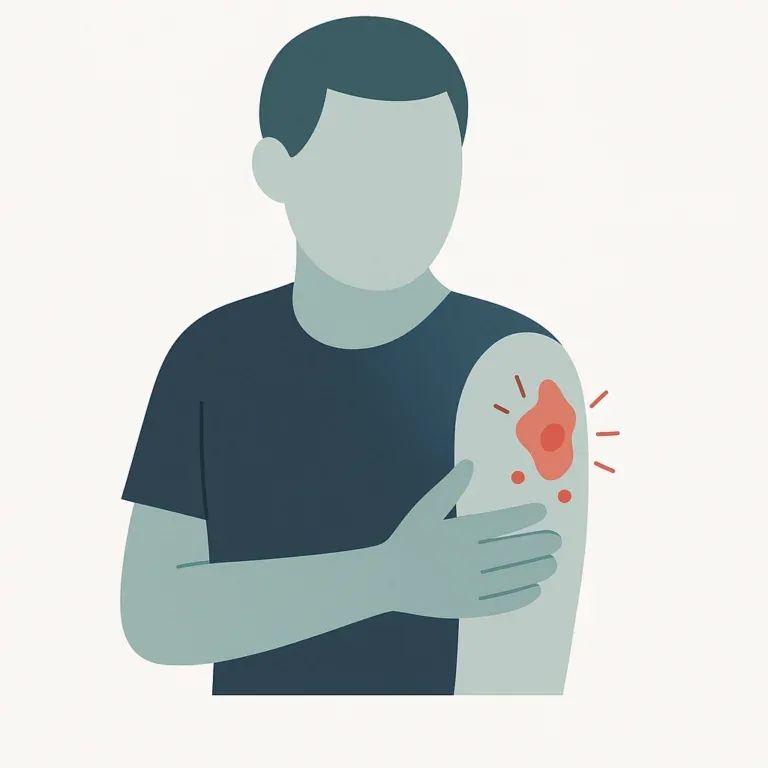


Irukandji is a dangerous tropical jellyfish sting syndrome that may not look serious at first. The early skin mark can be small, but severe symptoms can appear later. In first aid, the key priorities are calling 000, using vinegar, and watching closely for delayed deterioration.
What is Irukandji?
Irukandji syndrome can happen after a sting from a small tropical box jellyfish.
The sting may seem minor at first. Then, 5 to 40 minutes later, the person can become much more unwell. This is why Irukandji is treated as a medical emergency.
What symptoms can happen?
Symptoms can include:
- a small or mild sting mark at first
- severe muscle pain
- headache
- nausea or vomiting
- sweating
- restlessness or anxiety
- chest or abdominal pain
- trouble breathing
Some people can also develop dangerous heart-related problems.
What should you do in first aid?
If someone may have Irukandji:
- Call
000and ask for an ambulance. - Get help from a lifeguard if one is nearby.
- Remove the person from the water if it is safe to do so.
- Pour vinegar onto the sting for at least 30 seconds.
- Watch the person closely because severe symptoms may start later.
- Start CPR if the person is not breathing normally.
If vinegar is not available, use sea water rather than fresh water.
When is it an emergency?
Irukandji should be treated as an emergency, especially if the person:
- is in tropical northern waters
- develops severe pain after a small jellyfish sting
- has chest pain
- has trouble breathing
- collapses
- becomes Unresponsive
How is this page different from the other jellyfish pages?
This page focuses on the delayed-symptom Irukandji pathway.
- Jellyfish Stings is the broader jellyfish overview page
- Box Jellyfish Sting covers the better-known major box-jellyfish emergency pathway
- Bluebottle Sting covers the common painful local-sting pathway
- Sea Creature Bites and Stings is the broader marine overview page
Summary
Irukandji is a dangerous tropical jellyfish sting syndrome that can look mild at first and worsen later. Call 000, use vinegar, monitor closely, and treat delayed severe symptoms as a medical emergency.
Sources reviewed
- Healthdirect: sea creature bites and stings
- Healthdirect: jellyfish stings
- Triple Zero: official emergency calling guidance
Reviewed against Australian first aid and emergency guidance by the First Aid Glossary Editorial Team. This article is general information and does not replace emergency-operator directions, professional medical advice or hands-on first aid training.