

- What does breathing mean in first aid?
- What can normal breathing look like?
- What are signs of abnormal breathing?
- How does breathing fit with the airway?
- What should you do in first aid?
- What can cause breathing problems?
- How is this different from other breathing terms?
- Quick answer
- Sources reviewed
Breathing means moving air in and out of the lungs so the body can get oxygen and remove carbon dioxide. In first aid, checking breathing is one of the most important early steps because a person who is not breathing normally may need urgent help straight away.
What does breathing mean in first aid?
When first aiders talk about breathing, they are checking whether a person is:
- breathing at all
- breathing normally
- showing signs of breathing distress
This check sits inside early first aid frameworks such as the Primary Survey and DRSABCD.
What can normal breathing look like?
Normal breathing is usually:
- steady
- quiet
- not obviously strained
- regular enough that the chest rises and falls naturally
The exact rate can vary, but normal breathing should not look like hard work.
What are signs of abnormal breathing?
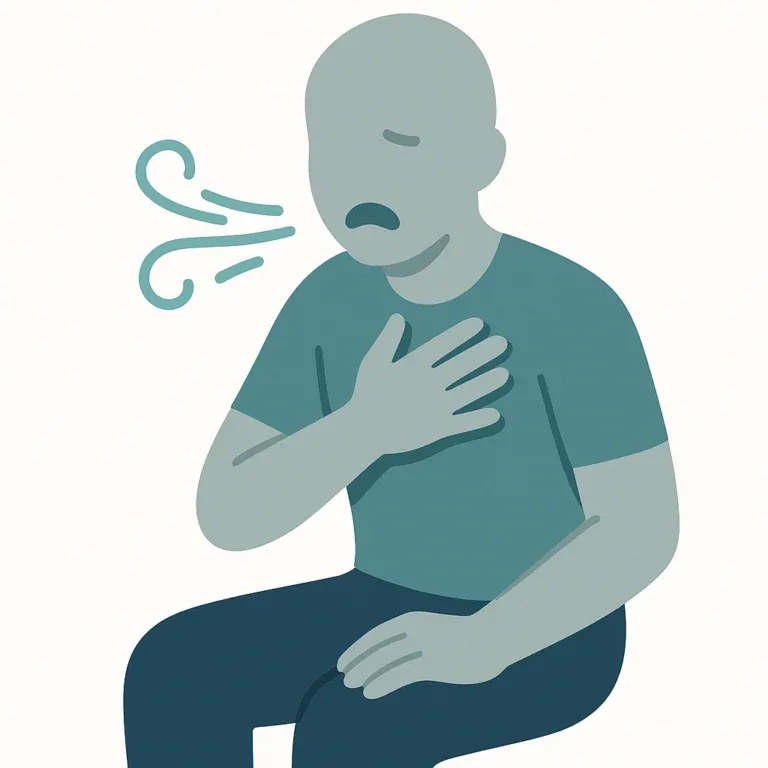
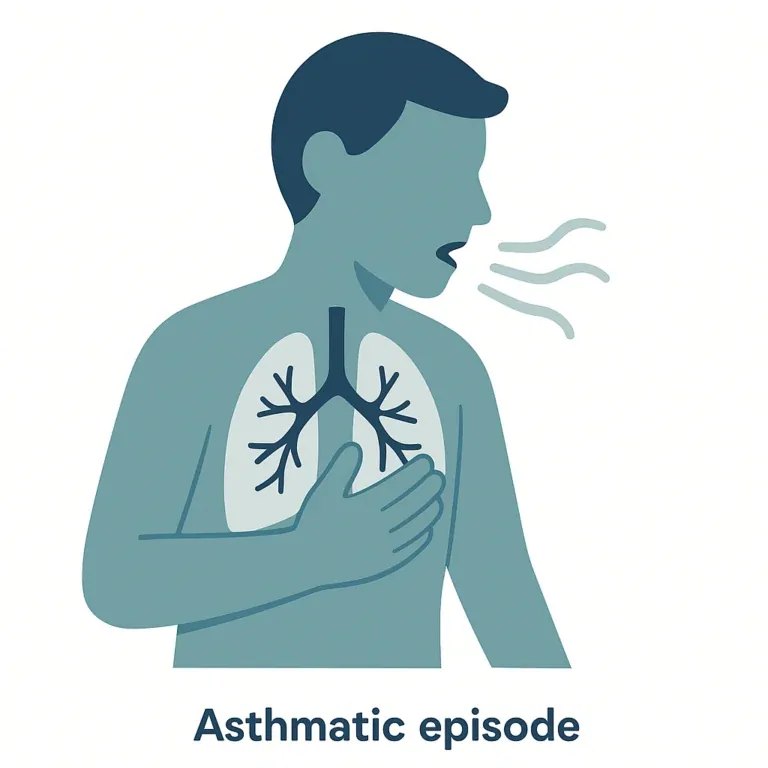
Breathing may be abnormal if it is:
- very slow
- very fast
- noisy
- gasping
- shallow
- laboured
- irregular
Other warning signs include blue lips, chest pain, confusion, or a person becoming Unresponsive.
How does breathing fit with the airway?
Breathing checks make more sense when the Airway is open.
That is why airway and breathing are often checked together in early first aid, and why the broader overview page is Airway Management.
What should you do in first aid?
- Check whether the person is breathing normally.
- Call
000if breathing is absent, abnormal, or getting worse. - If they are unresponsive but breathing normally, use the Recovery Position if appropriate.
- If they are not breathing normally, start CPR.
What can cause breathing problems?
Breathing problems can happen with:
- Choking
- an Asthma Attack
- Hyperventilation
- drowning
- severe allergic reaction
- chest injury
- heart problems
The exact cause matters less than recognising that breathing is not normal and acting quickly.
How is this different from other breathing terms?
This page explains breathing as the broad first aid concept.
Spontaneous Breathing is when a person is breathing on their own.
Ineffective Breathing is when breathing is happening but not well enough.
Quick answer
Breathing means moving air in and out of the lungs. In first aid, the key question is whether a person is breathing normally. If they are not, call 000 and act quickly, using pages such as Airway Management, DRSABCD, and CPR as the next practical steps.
Sources reviewed
- Healthdirect: first aid basics and DRSABCD
- Healthdirect: how to perform CPR
- ANZCOR Guideline 4: Airway
- ANZCOR Guideline 5: Breathing
Reviewed against Australian first aid and emergency guidance by the First Aid Glossary Editorial Team. This article is general information and does not replace emergency-operator directions, professional medical advice or hands-on first aid training.