
An obvious deformity means that part of the body looks out of shape or not normal. When someone has an obvious deformity, you can see that a bone or joint might be bent, twisted, or in the wrong place. This can happen for many reasons, like from a fall, a bad bump, or a sports injury. In first aid, noticing an obvious deformity is very important because it often means the bone is broken or the joint is badly hurt.
What Does Obvious Deformity Mean?
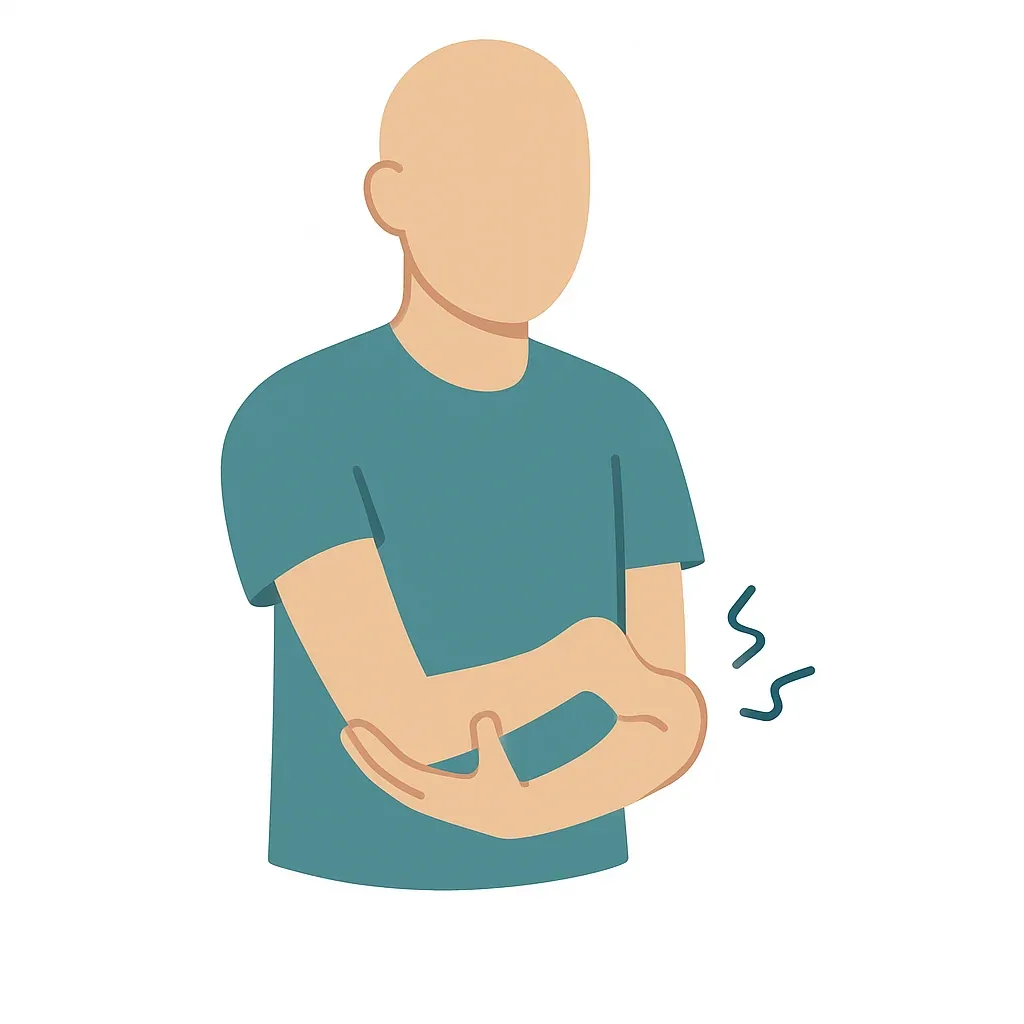
Our bones give shape to our body, and joints are places where two bones come together, like elbows, knees, and fingers. When these are healthy, the body looks normal and moves smoothly. But if a bone breaks or a joint gets injured, a deformity can happen. This means the body part may look strange — it might be bent in an odd way, look shorter or longer, or have a lump where it should not be.
Obvious deformity does not just hurt — it shows that something inside the body is seriously damaged. You might see the skin bulging or the bone sticking out in some cases. Deformities can happen to arms, legs, fingers, toes, or even the neck or back.
Why Is It Important in First Aid?
Seeing an obvious deformity helps you know that the injury needs careful attention. It is a sign that the person may have a fracture (a broken bone) or a dislocation (where a bone has come out of its joint). These injuries can be painful and make it hard or impossible for the person to move the affected part.
Knowing there is a deformity helps you decide what to do to keep the injured person safe until medical help arrives. Moving the injured body part too much or in the wrong way could cause more pain or hurt the person even more.
What You Might See or Notice
If someone has an obvious deformity, you might notice several things:
- The limb or body part looks uneven, bent, or twisted.
- There might be swelling, redness, or bruises around the injury.
- The person may hold the injured area very still or refuse to move it.
- The injured part may look shorter, longer, or turned the wrong way.
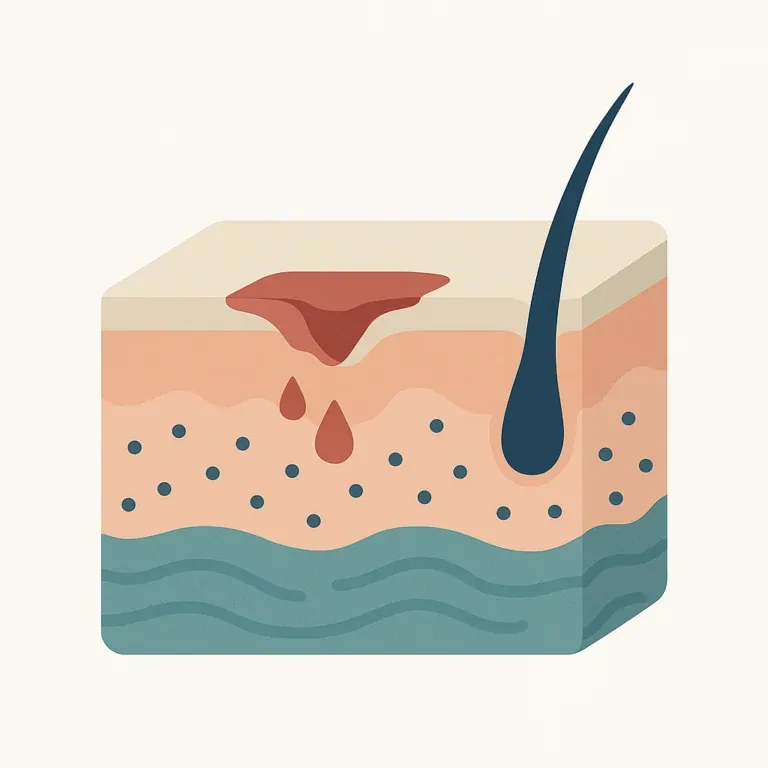
- Sometimes the bone might poke through the skin.
- The person may feel very strong pain in the area.
- They might feel numb, tingly, or lose movement below the injury.
How to Help Safely
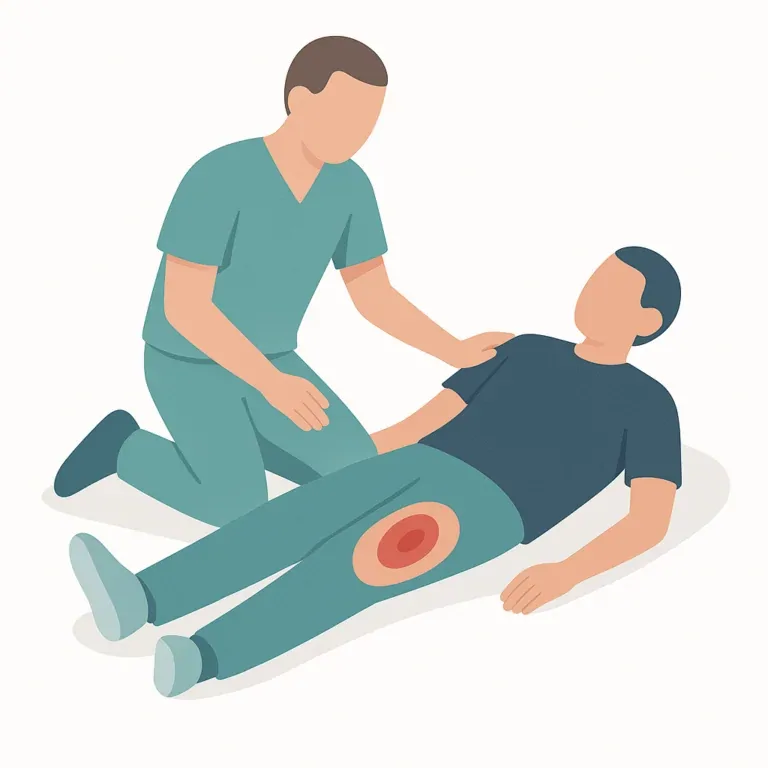
If you see an obvious deformity, the first thing is to keep the person calm and still. Try not to move the injured part unless it is absolutely necessary to keep them safe.
Support the injured area as best you can. You can use soft padding or something firm to keep the injured part from moving. This helps protect the injury.
Check to see if the person feels any numbness, pins and needles, or cannot move their fingers or toes below the injury. This shows that nerves are affected and needs medical help quickly.
Keep the person warm and comfortable. Cover them with a blanket to prevent shock.
Do not try to straighten or push the bone back in place. This can cause more damage.
When to Call Emergency Services
Call 000 immediately if:
- The person’s injury shows an obvious deformity with the bone sticking out through the skin.
- The injured person feels numb or cannot move the limb or body below the deformity.
- The injury is in the neck, back, or head and there is any deformity, loss of feeling, or movement.
- The person is in a lot of pain and cannot move normally.
- The injury was caused by a serious accident, such as a car crash or a heavy fall.
- If you are not sure but think the injury is serious, it is always better to call 000 and ask for help.
How Emergency Help Can Support
When emergency services arrive, they will carefully check the injury. They might use special equipment to keep the injured part still and safe for moving. After that, the person will be taken to hospital where doctors can use X-rays or scans to see exactly what is wrong.
Doctors will decide the best treatment. For broken bones or dislocations, this may include putting the bone back in place, putting the limb in a cast, or sometimes surgery.
General Safety Tips to Remember
If you are helping someone with an obvious deformity:
- Always check your own safety first. Make sure the area is safe before helping.
- Stay calm and speak clearly to the injured person. Reassure them and encourage them to stay still.
- Avoid unnecessary movement or pushing of the injured area.
- If the person feels faint, dizzy, or very unwell, help them lie down safely.
If you suspect a neck or spine injury, do not try to move the person unless they are in danger, like near fire or traffic.
Remember that injuries with obvious deformities can be very scary. Your calm help and quick call for emergency services can make a big difference.
Why Knowing About Obvious Deformity Matters
Understanding what obvious deformity means helps you act quickly and safely in an emergency. It tells you that the injury is serious and needs careful handling. Knowing the signs helps you protect the injured person and get the right help from emergency services fast.
Even though an obvious deformity looks scary, many people recover well with the right care. The most important thing is to keep the person safe, prevent any more harm, and call 000 for serious injuries.
This knowledge gives you the chance to be a calm, helpful helper if someone around you has a bad injury. Remember, safe first aid can save lives and help people get better sooner.
Sources reviewed
Reviewed against current Australian first aid, emergency and public-health guidance by the First Aid Glossary Editorial Team. This article is general information and does not replace emergency-operator directions, professional medical advice or hands-on first aid training.