
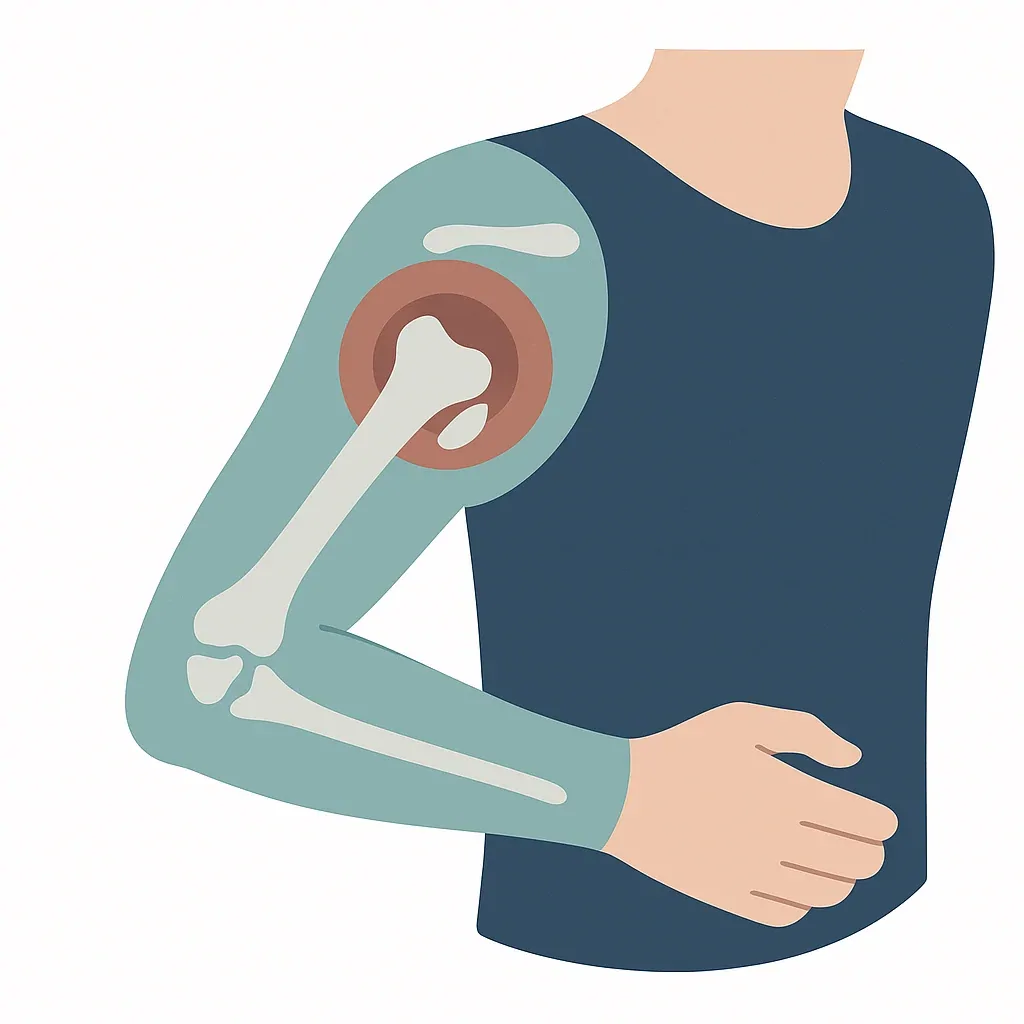

A dislocation happens when the bones that form a joint are pushed out of their normal place. Joints are where two or more bones meet and move together, like your shoulder, finger, or knee. When a joint is dislocated, the bones are no longer lined up properly, which can cause pain and make it hard or impossible to move that part of the body.
Dislocations are common injuries and can happen in accidents, falls, or sports. They are important to understand because they can cause damage to nearby muscles, ligaments (which hold bones together), nerves, and blood vessels. Knowing what dislocations look like and what to do can help you provide calm and helpful first aid until medical care is available.
What Happens When a Joint is Dislocated?
A joint normally moves in certain ways and stays stable because of the way the bones fit together and the strength of the surrounding muscles and ligaments. During a dislocation, a sudden force pushes or pulls the bones apart at the joint, so they do not line up properly anymore. This can stretch or tear the ligaments and may also injure the nerves and blood vessels nearby.
The area around the joint usually becomes very painful, swollen, and may look odd because the bones are out of place. It can be hard to move the joint and sometimes you might see a visible bump or deformity where the joint is not where it should be.
Common Places for Dislocations
Dislocations can happen in many joints, but some joints are more often affected. These include:
- Shoulder: The upper arm bone comes out of the shoulder socket. This is the most common large joint dislocation.
- Fingers or thumb: These small joints can be pushed out or bent abnormally, often during falls or sports.
- Elbow: The bones in the elbow joint move out of place, which can happen if someone falls on an outstretched hand.
- Knee: The joint between the thigh and lower leg bones can dislocate, which is serious.
- Hip: The thigh bone can come out of its socket in the pelvis, usually after a strong impact.
What You Might Notice with a Dislocation
If someone has a dislocated joint, you might see or hear the following signs:
- Intense pain at the joint or nearby area.
- The joint looks out of shape, swollen, or has an unusual bump.
- The person cannot move the joint or moving it causes more pain.
- The limb or finger may look shorter, bent, or twisted.
- Numbness or tingling if nerves are affected.
- Sometimes the skin over the joint may look bruised.
Why Dislocations Need Care
Dislocations need prompt care because the bones out of place can pinch or damage nerves and blood vessels. These problems can cause numbness, poor blood flow, or even permanent damage if not treated. A joint that is dislocated is often unstable and can be injured more if moved suddenly.
It is important to gently support the area and get medical help. Medical professionals will carefully put the bones back in place, often called “reduction.” This should never be attempted by someone without proper training, as it can make the injury worse.
General First Aid for Dislocations
If you see someone with a suspected dislocation, there are simple things you can do to help until medical help arrives.
First, keep the person still and calm. Do not try to move the joint or push the bones back into place.
If possible, support the injured limb in the position found, using soft padding, rolled towels, or splints. This helps keep the joint from moving and reduces pain.
Try to keep the person comfortable and calm. You can cover them with a blanket to keep warm.
If there are cuts, you may gently cover them with a clean cloth to protect from infection but do not press hard on the joint itself.
If the injury is on a limb, try to keep the hand or foot elevated slightly to reduce swelling, but only if this does not cause more pain.
When to Call Emergency Services
You should call 000 immediately if:
- The dislocation is in a large joint like the knee, hip, or shoulder.
- The person is in severe pain or cannot move the limb.
- You notice numbness, coldness, or a blue or pale colour in the limb below the injury.
- The injury happened from a serious accident or fall.
- The person feels dizzy, faint, or unwell.
- There is heavy bleeding or visible bone breaking through the skin.
- Calling 000 gets professional help on the way as quickly as possible. Remember, emergency services are there to assist with serious injuries.
Safety Tips to Avoid Dislocations
To lower the chance of dislocations, take care during physical activities. Warm up before sports, use protective gear when needed, and be careful when moving in slippery places.
If you or someone you know has had repeated dislocations, it’s good to follow advice from doctors or health professionals to strengthen muscles around joints and reduce risks.
Summary
A dislocation is when a joint’s bones move out of their normal place. It can cause pain, swelling, and difficulty moving. Dislocations need gentle care and medical help. Do not try to fix it yourself. Support the injured area and call 000 if the injury is serious. Acting calmly and safely can help someone with a dislocation get the right care and protect them from more harm.
Sources reviewed
- Healthdirect: limb injuries
- Healthdirect: fractures
- Triple Zero: official emergency calling guidance
Reviewed against current Australian injury, first aid and emergency guidance by the First Aid Glossary Editorial Team. This article is general information and does not replace emergency-operator directions, professional medical advice or hands-on first aid training.
