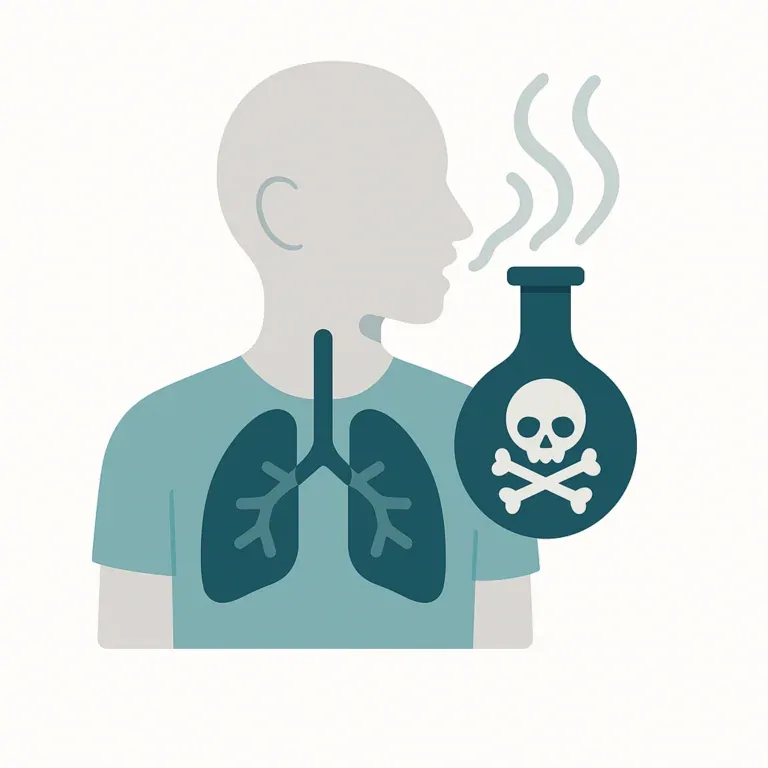

Epinephrine is a life-saving medicine used to treat anaphylaxis in an emergency. In Australia, it is usually called adrenaline. It helps open the airways, reduce swelling, and stop blood pressure from falling too low during a severe allergic reaction.
What is epinephrine?
Epinephrine is the medicine used in emergency treatment for severe allergic reactions. It is the same medicine carried inside an Adrenaline Auto-Injector.
The body also makes adrenaline naturally, but in first aid this page is mainly about epinephrine as an emergency medicine.
When is epinephrine used in first aid?
Epinephrine is used when a person may be having Anaphylaxis. This includes signs such as:
- difficult or noisy breathing
- swelling of the tongue or throat
- wheeze or persistent cough
- trouble talking
- persistent dizziness or collapse
- pale and floppy appearance in young children
In first aid, epinephrine should be given quickly if a severe allergic reaction is suspected.
What does epinephrine do?
Epinephrine helps by:
- opening the airways
- reducing swelling in the throat
- helping support blood pressure
- improving circulation during the reaction
This is why it is the first medicine used for anaphylaxis.
How is epinephrine given?
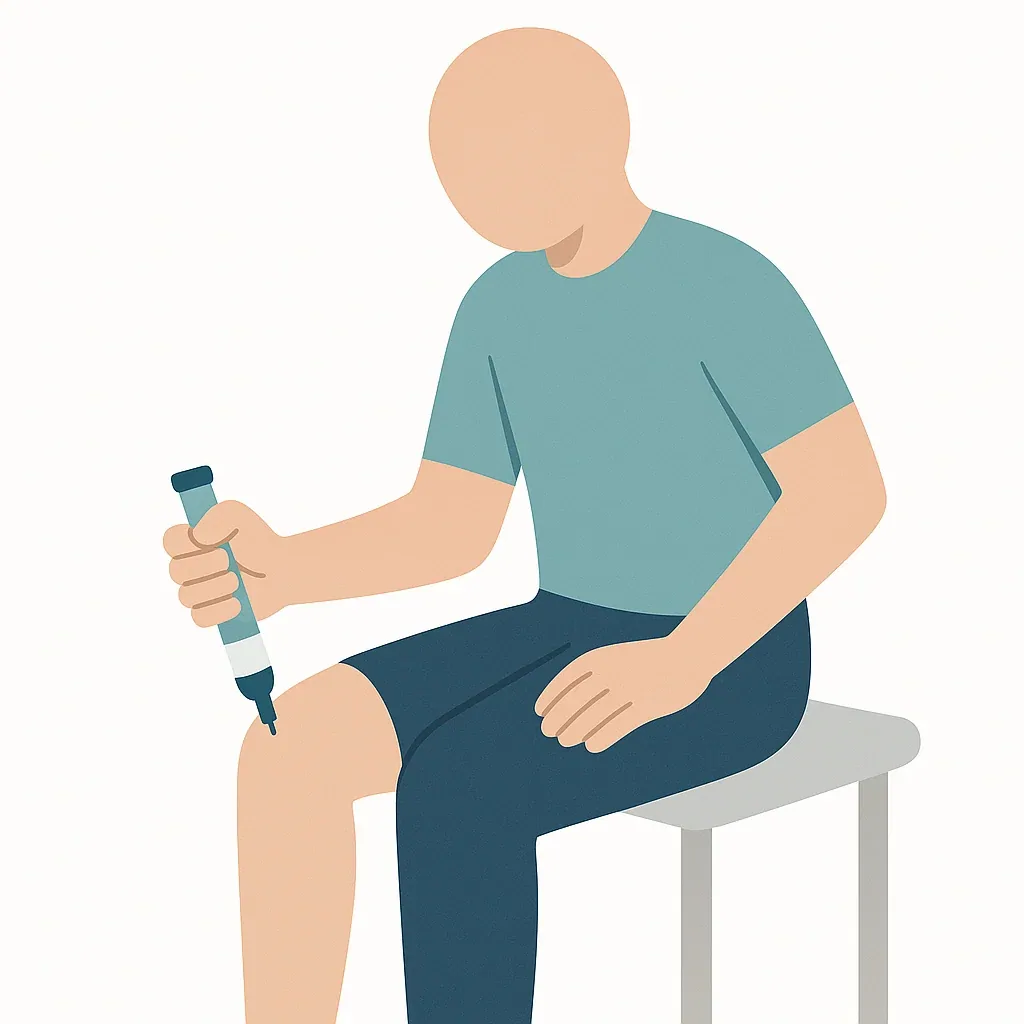
In community first aid settings, epinephrine is usually given with an Adrenaline Auto-Injector such as an EpiPen or Anapen.
The medicine is injected into the outer thigh muscle. After it is given:
- Call
000for an ambulance. - Keep the person safely positioned.
- Watch breathing and response closely.
- Give a second dose after 5 minutes if symptoms are not improving and another injector is available.
Epinephrine is the medicine, not the device
This page is about the medicine itself.
Epinephrineis the medicine.- An Adrenaline Auto-Injector is the device type that carries it.
- EpiPen and Anapen are two Australian brand pages in this glossary.
- Anaphylaxis is the emergency condition it treats.
Keeping those roles separate helps readers understand what the medicine does versus how it is carried and used.
What should you do after giving epinephrine?
After giving epinephrine for a severe allergic reaction:
- keep the person lying flat if possible
- do not let them stand or walk
- if breathing is difficult, let them sit with legs outstretched
- if they are unconscious or vomiting, use the Recovery Position if appropriate
- if they become Unresponsive and are not breathing normally, start CPR
Summary
Epinephrine is the medicine used to treat anaphylaxis fast. In Australia it is commonly called adrenaline. It is usually given with an adrenaline auto-injector such as an EpiPen or Anapen, then followed by urgent ambulance care and close monitoring.
Sources reviewed
- ASCIA: anaphylaxis information and current device links
- ASCIA: adrenaline (epinephrine) devices
- Triple Zero: official emergency calling guidance
Reviewed against current Australian allergy, first aid and emergency guidance by the First Aid Glossary Editorial Team. This article is general information and does not replace a person’s current ASCIA Action Plan, device instructions, emergency-operator directions, professional medical advice or hands-on first aid training.