
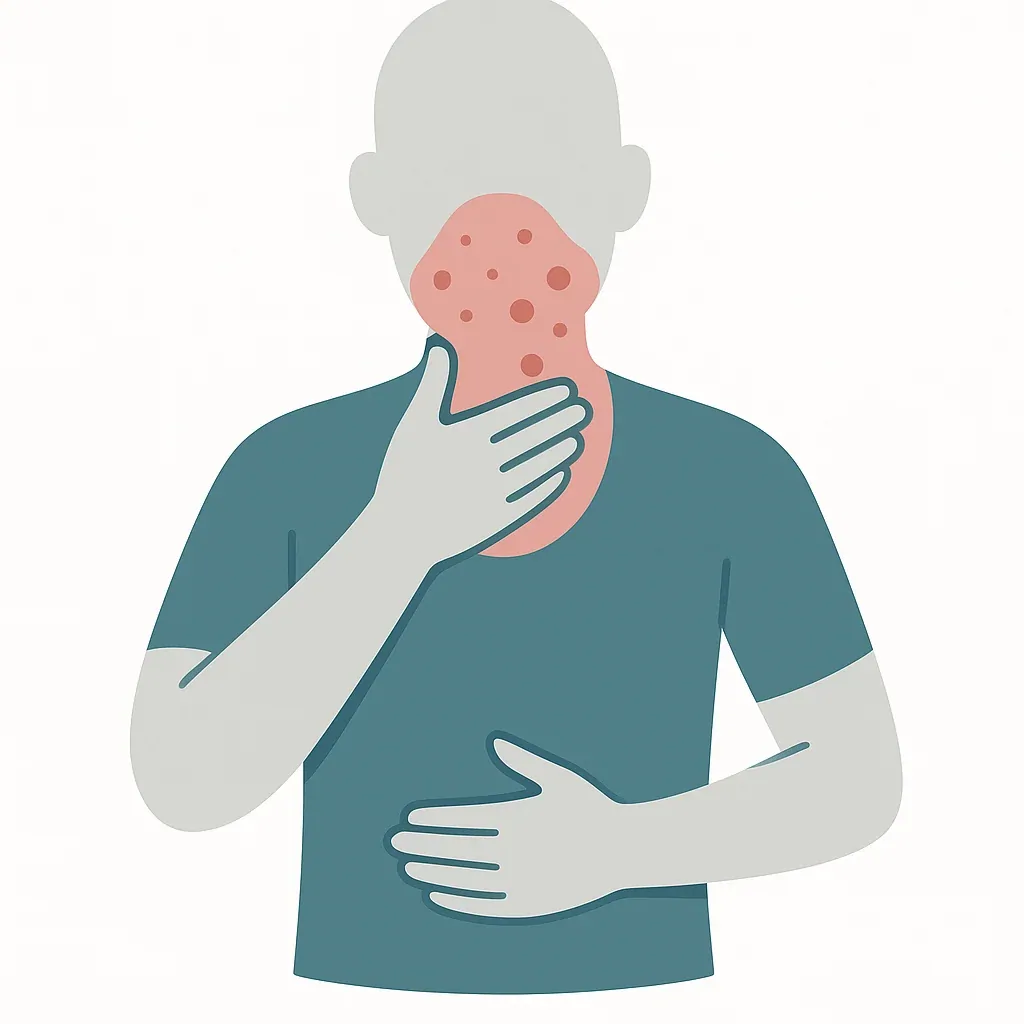

Anaphylaxis is a severe, life-threatening allergic reaction that needs urgent first aid. If you think someone is having anaphylaxis, use an Adrenaline Auto-Injector immediately if one is available, then call 000 for an ambulance.
What is anaphylaxis?
Anaphylaxis is the most severe type of allergic reaction. It can happen quickly after exposure to a trigger such as food, an insect sting, or a medicine.
The reaction can affect breathing, the throat, circulation, and other body systems. Without fast treatment, anaphylaxis can become fatal.
If anaphylaxis becomes severe enough to cause a major drop in blood pressure, this may be described as Anaphylactic Shock.
Common triggers
Common triggers include:
- foods such as peanuts, tree nuts, milk, eggs, and seafood
- insect bites or stings
- medicines
Some people know their triggers already. In other cases, the reaction may come as a surprise.
Signs of anaphylaxis
Signs can include:
- difficult or noisy breathing
- swelling of the tongue
- swelling or tightness in the throat
- difficulty talking or a hoarse voice
- wheeze or persistent cough
- persistent dizziness or collapse
- pale and floppy appearance in young children
Mild or moderate allergic symptoms may also happen before anaphylaxis, such as swelling of the face, lips, or eyes, hives, abdominal pain, or vomiting. But do not wait for every symptom to appear before acting.
What to do in first aid
If you think someone is having anaphylaxis:
- Follow DRSABCD or a quick Primary Survey so you do not miss immediate airway or breathing danger.
- Help them use an Adrenaline Auto-Injector immediately if one is available.
- If you know the brand, follow the correct device steps for EpiPen or Anapen.
- Call
000and ask for an ambulance. - Lay the person flat and keep them still. Do not allow them to stand or walk.
- If breathing is difficult, let them sit with legs outstretched. If they are unconscious, use the Recovery Position if appropriate.
- Stay with them and monitor their breathing and response.
The medicine inside the injector is Epinephrine, also called adrenaline.
If symptoms continue after 5 minutes and another adrenaline auto-injector is available, a further dose may be needed.
Important position advice
Position matters in anaphylaxis. A person can get worse quickly if they stand or walk around.
- Lay them flat if possible.
- Do not suddenly stand them up.
- If breathing is difficult, allow a position that helps breathing while keeping the legs outstretched.
- Hold young children flat rather than upright.
When to start CPR
If the person becomes Unresponsive and is not breathing normally, start CPR immediately and follow the emergency call-taker’s instructions.
How anaphylaxis relates to anaphylactic shock
Anaphylactic Shock is not a separate everyday first aid pathway. It describes the severe circulatory effects of anaphylaxis, especially when blood pressure drops dangerously low.
For practical first aid purposes, the main page to understand is anaphylaxis, because the emergency action is the same: give adrenaline first, call 000, position the person safely, and watch breathing and responsiveness closely.
Summary
Anaphylaxis is a severe allergic reaction that needs urgent treatment. Use an adrenaline auto-injector immediately if available, follow the correct EpiPen or Anapen steps, call 000, keep the person lying flat and still, and monitor breathing and response. If they become unresponsive and are not breathing normally, start CPR.
How this page is checked
Publisher: First Aid Glossary Editorial Team
Last reviewed: 28 April 2026
Reviewed against: ASCIA First Aid Plan for Anaphylaxis, ANZCOR Guideline 9.2.7 – First Aid Management of Anaphylaxis, Healthdirect Australia adrenaline autoinjector guidance, and Triple Zero emergency-call guidance.
This page is educational and explains first aid language in plain English. It is not personal medical advice, diagnosis, or a replacement for accredited first aid training. In an emergency in Australia, call Triple Zero (000).
Sources reviewed
- ASCIA: First Aid Plan for Anaphylaxis
- ASCIA: anaphylaxis resources and action plans
- Triple Zero: official emergency calling guidance
Reviewed against current Australian allergy and emergency guidance by the First Aid Glossary Editorial Team. This article is general information and does not replace a person’s prescribed ASCIA Action Plan, emergency-operator directions, medical advice or hands-on first aid training.