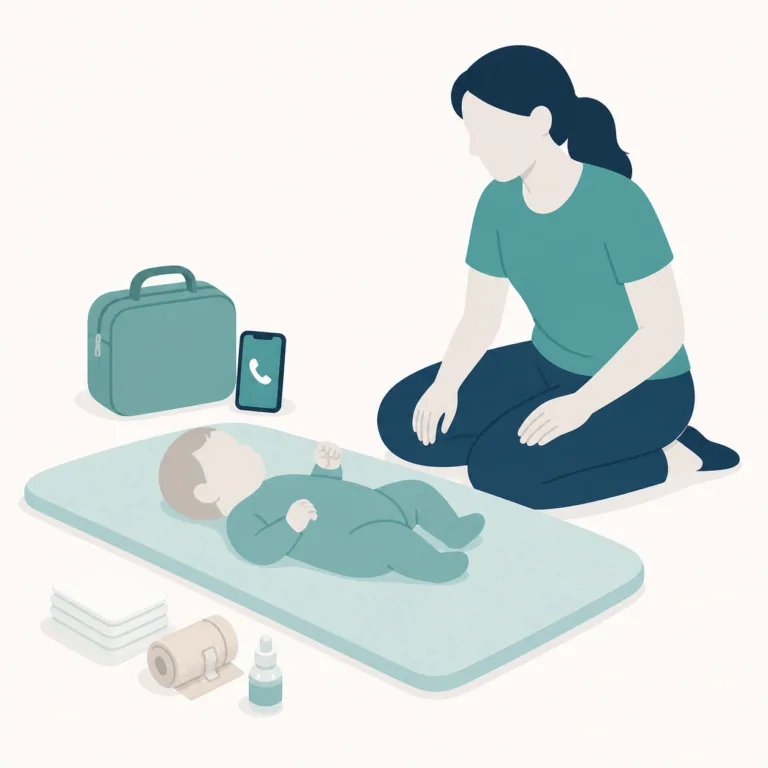


The recovery position is a side-lying position used for a person who is unresponsive but breathing normally. It helps keep the airway open and lets fluid such as saliva or vomit drain from the mouth. In Australia, it is part of the DRSABCD response when a person is unresponsive, breathing normally and does not need CPR.
First check that the scene is safe, call Triple Zero (000) or ask someone else to call, and assess breathing. If the person is not breathing normally, start CPR and use an AED if available. If they are unresponsive but breathing normally, place them in the recovery position if it is safe to move them, then keep checking their breathing until help arrives.
When to use the recovery position
Use it for a person who is unresponsive and breathing normally, when there is no immediate reason to keep them flat. It may be appropriate after a seizure has stopped, with intoxication, or after an unexplained collapse, but the person still needs monitoring and emergency assessment when indicated.
If you are alone and need to leave briefly to call 000, Healthdirect advises placing an unresponsive breathing person in the recovery position first. Put your phone on speaker where possible so you can follow the operator’s instructions without leaving the person.
When not to use it instead of CPR
Do not delay CPR to place a person in the recovery position. Agonal gasps, irregular gasps or occasional snoring-like breaths are not normal breathing. Start CPR and follow the Triple Zero operator’s directions if the person is not breathing normally.
If normal breathing stops or becomes abnormal while the person is on their side, call 000 if you have not already done so and begin CPR.
Suspected head, neck or spinal injury
Take particular care after a fall, dive, collision or significant blow. Avoid moving the person unless they are in danger or you need to manage the airway. Healthdirect notes that an unconscious person with a suspected spinal injury should only be placed in the recovery position when you are confident you can keep the head, neck and spine aligned. Call 000 and follow the operator’s advice.
How the position protects the airway
Side positioning can help prevent the tongue or fluids from blocking the upper airway. Keep the mouth facing downwards enough for fluid to drain, avoid pressure on the chest that could interfere with breathing, and make sure the position is stable. The exact technique taught in an accredited course can vary slightly; follow the technique you were trained in and current emergency-operator instructions.
A practical first-aid sequence
- Check for danger before approaching.
- Check for a response and send for help by calling Triple Zero (000).
- Open the airway and check for normal breathing.
- If the person is not breathing normally, begin CPR. If they are breathing normally but unresponsive, place them on their side when it is safe to do so.
- Keep the airway clear, monitor breathing continuously and be ready to start CPR if normal breathing stops.
- Tell ambulance officers what happened, what you observed and what care you gave.
Monitoring matters
The recovery position is not a “set and forget” response. Stay with the person, protect them from cold or heat where practical, and reassess their breathing regularly. If they vomit, keep the airway clear. If they become less responsive or their breathing becomes abnormal, begin CPR if required.
Training and emergency advice
Learning and practising the recovery position in a current Australian first-aid course is the best way to build confidence. A written article cannot assess the scene, spinal-injury risk or breathing quality. In an emergency, Triple Zero operators can give immediate instructions while help is on the way.
Related glossary terms
Sources reviewed
- Healthdirect: first aid basics and DRSABCD
- Healthdirect: spinal cord injuries
- ANZCOR Guideline 3: Recognition and first aid management of the unconscious person
- Triple Zero: official emergency calling guidance
Reviewed against Australian first aid and emergency guidance by the First Aid Glossary Editorial Team. This article is general information and does not replace emergency-operator directions, professional medical advice or hands-on first aid training.