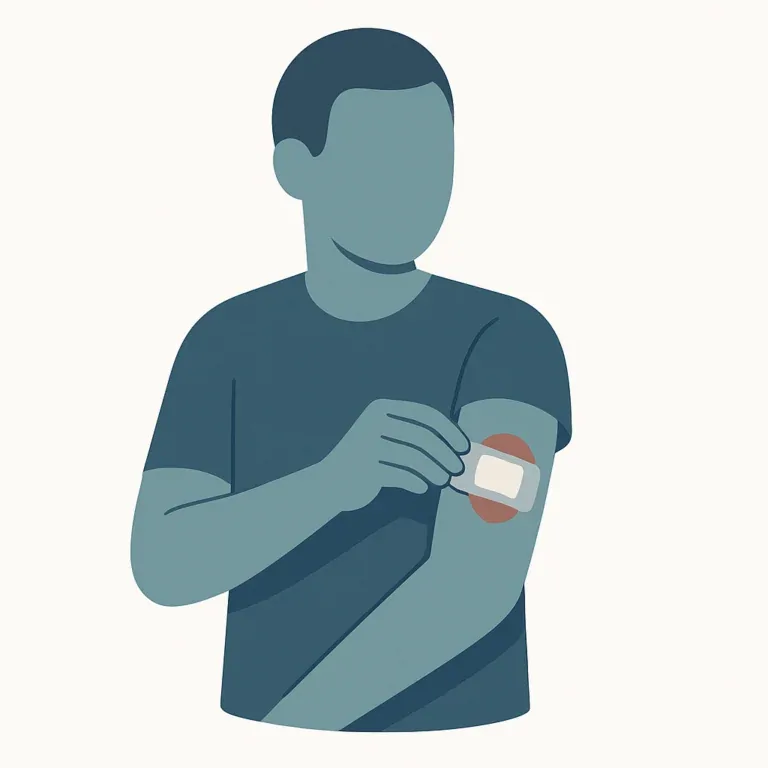


An EpiPen is an adrenaline auto-injector used to treat Anaphylaxis in an emergency. If someone has signs of a severe allergic reaction, use the EpiPen immediately if it is available, then call 000 for an ambulance.
What is an EpiPen?
An EpiPen is one of the adrenaline auto-injector brands available in Australia. It contains a single fixed dose of adrenaline, which is also called Epinephrine.
The device is designed to give the medicine quickly into the outer thigh during a severe allergic reaction. It is used as an emergency first aid step, not as a substitute for medical care.
When should an EpiPen be used?
Use an EpiPen immediately if someone may be having Anaphylaxis. Warning signs can include:
- difficult or noisy breathing
- swelling of the tongue
- swelling or tightness in the throat
- difficulty talking or a hoarse voice
- wheeze or a persistent cough
- persistent dizziness or collapse
- pale and floppy appearance in young children
If you are unsure whether it is severe enough, it is safer to use the adrenaline auto-injector than to delay treatment for a life-threatening reaction.
If you are not sure whether it is anaphylaxis or an Asthma Attack, use the adrenaline auto-injector first. Then follow with the usual asthma reliever first aid while waiting for the ambulance.
How do you use an EpiPen?
In plain English, the usual emergency steps are:
- Remove the EpiPen from its tube.
- Hold it firmly with the orange end pointing down.
- Remove the blue safety release.
- Place the orange end against the outer mid-thigh at a right angle.
- Push down firmly until it clicks and hold for 3 seconds.
- Remove the injector and record the time it was given.
- Call
000and continue anaphylaxis first aid while waiting for the ambulance.
The injection can usually be given through clothing, but avoid pockets or thick seams.
What should happen after using an EpiPen?
After using an EpiPen:
- lay the person flat if possible
- do not let them stand or walk
- if breathing is difficult, allow them to sit on the ground with legs outstretched
- if they are unconscious or vomiting, use the Recovery Position if appropriate
- stay with them and watch breathing and response closely
If there is no clear improvement after 5 minutes and another injector is available, another dose may be needed.
EpiPen, Anapen, and epinephrine
EpiPen and Anapen are both adrenaline auto-injector brands used to treat anaphylaxis, but they are not used in exactly the same way. Follow the instructions for the brand that has actually been prescribed or supplied.
Epinephrine is the medicine inside the device. Anaphylaxis is the life-threatening allergic reaction it is used to treat.
When to start CPR
If the person becomes Unresponsive and is not breathing normally, start CPR immediately and follow emergency call-taker instructions.
Summary
An EpiPen is an adrenaline auto-injector used to treat anaphylaxis fast. Use it immediately if someone has signs of a severe allergic reaction, then call 000, keep them safely positioned, and watch breathing and response closely until help arrives.
Sources reviewed
- ASCIA: adrenaline (epinephrine) devices
- ASCIA: how to give adrenaline devices
- ASCIA: anaphylaxis information and current device links
- Triple Zero: official emergency calling guidance
Reviewed against current Australian allergy, first aid and emergency guidance by the First Aid Glossary Editorial Team. This article is general information and does not replace a person’s current ASCIA Action Plan, device instructions, emergency-operator directions, professional medical advice or hands-on first aid training.