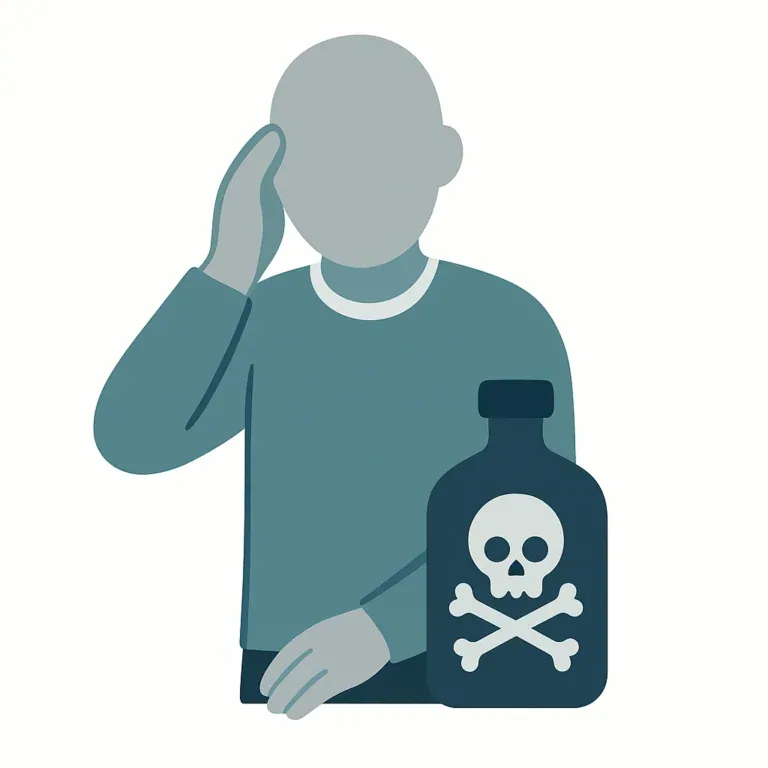


Toxic exposure means coming into contact with something harmful to the body. This could be a dangerous chemical, gas, plant, or even a bad medicine. When someone is exposed to a toxic substance, it can make them feel ill or hurt their body. Toxic exposure is important to understand because it can happen quickly and cause serious harm if not treated right away.
Toxic exposure can happen in many ways. Sometimes, people breathe in harmful gases or chemicals. Other times, a toxic substance might touch the skin or get into the eyes. A person can also swallow something toxic by accident. Knowing what toxic exposure means helps people spot the problem and find help fast.
What Happens During Toxic Exposure
The body can react in different ways to toxic exposure. Some reactions are mild, like feeling dizzy, itchy, or having a rash. Other reactions can be very serious, like trouble breathing, pain inside the body, or losing consciousness. The effects depend on what the toxin is and how much the person was exposed to.
When poison gets into the body, it can affect different parts. Some toxins may harm the lungs if breathed in. Others might irritate the skin or eyes. Some poisons travel through the blood and can hurt the heart, brain, or other organs. Because of this, toxic exposure may look very different from one person to another.
Signs You Might See With Toxic Exposure
It is important to recognize the signs of toxic exposure. Some common signs include trouble breathing or coughing. The person might have a burning feeling in their throat, chest, or on their skin. They may feel dizzy, confused, or very sick. Sometimes their skin changes colour or they get a rash or blisters.
If someone has swallowed poison, they may feel sick to their stomach or vomit. They may have stomach pain or be very tired. If the eyes are affected, they might look red or watery, and the person may be in pain.
Knowing the signs helps you understand if someone needs help right away.
What To Do if You Think Someone Has Been Exposed to Something Toxic
If you believe someone has been exposed to a toxic substance, it is important to act carefully and quickly. First, make sure the area is safe for you to be in. Do not go near the poison if it could hurt you too.
If the dangerous substance is still nearby, try to get the person away from it to fresh air if it is safe to do so. This can help stop more poison from getting into their body.
Check how the person is feeling and look for the signs of toxic exposure. If they have trouble breathing, chest pain, are unconscious, or very sick, call emergency services straight away by dialing 000.
For less serious exposures, you can try to remove any contaminated clothing and wash the skin or eyes with clean water if it has been touched by poison. But do not try to make the person vomit or give them anything to eat or drink unless a health professional tells you to.
Keep the person as comfortable and calm as you can. Watch them closely and be ready to call for help if they get worse.
When to Call Emergency Services
Calling 000 is the most important thing to do when toxic exposure causes serious symptoms. Call emergency services if the person:
- Can’t breathe or is breathing very hard.
- Becomes unconscious or unresponsive.
- Has a bad rash or swelling.
- Is confused, dizzy, or very weak.
- Is having a seizure.
- Has swallowed a poison and looks very sick.
Even if you are not sure how serious the situation is, it is better to call for help. The ambulance crew can provide the right treatment quickly.
General Safety Tips to Avoid Toxic Exposure
It is smart to be careful with any chemicals or substances around the home or workplace. Keep poisonous substances in their original containers and out of reach of children.
When using chemicals for cleaning or gardening, read all labels and follow the instructions carefully. Wear gloves or masks if needed to protect your skin and lungs.
Never taste or touch something if you do not know what it is. If you find an unknown chemical or plant, it is best not to handle it.
Also be careful with medicines. Only take medicines that a doctor or pharmacist gives you, and keep them stored safely.
Understanding Toxic Exposure Helps Keep Everyone Safe
Knowing what toxic exposure is and what to do if it happens can save lives. Many accidents result from people not realising a substance is poisonous or what it might do to the body.
By watching for signs of toxic exposure and acting quickly, you can help protect yourself and others. Always stay calm, check that the area is safe, and call 000 if the situation is serious.
In less serious cases, washing and keeping the person comfortable while waiting for advice is the best way to help. Remember, being safe first and asking for professional help makes a big difference in emergencies.
Sources reviewed
- NSW Poisons Information Centre: poisons first aid
- Healthdirect: swallowed substances and poisoning
- Triple Zero: official emergency calling guidance
Reviewed against Australian poisons, first aid and emergency guidance by the First Aid Glossary Editorial Team. This article is general information and does not replace directions from the Poisons Information Centre, emergency operators, professional medical advice or hands-on first aid training.