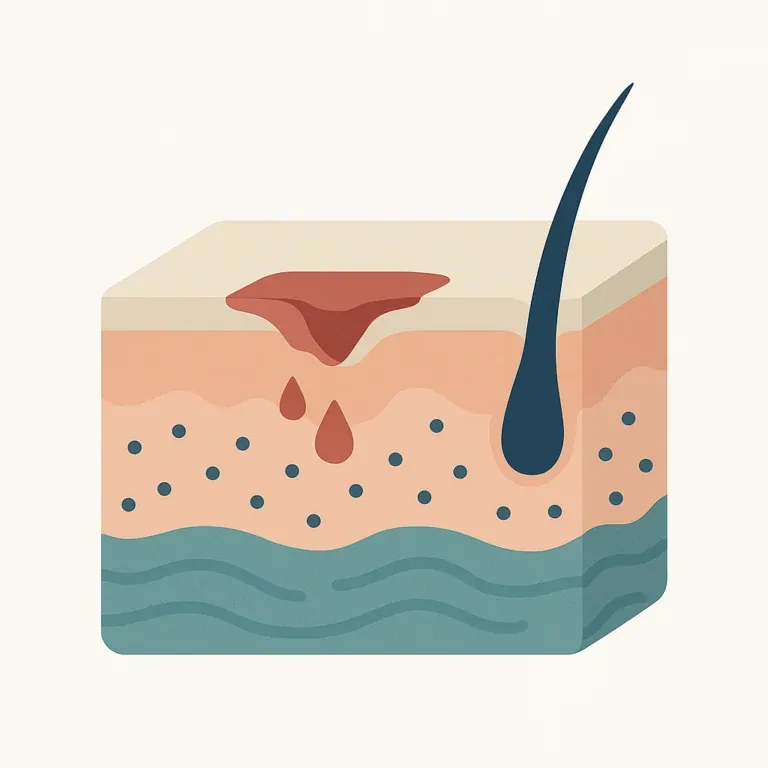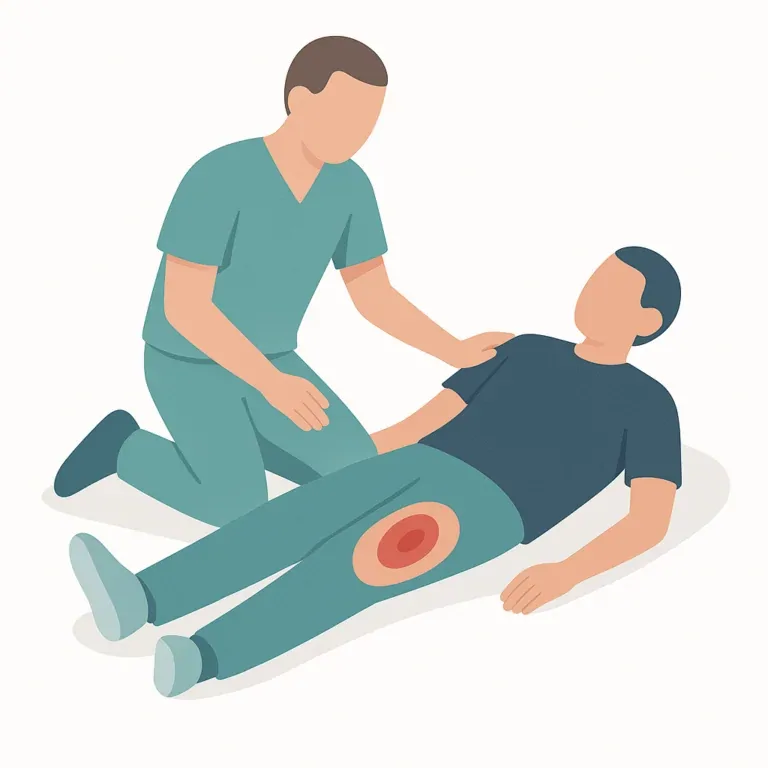
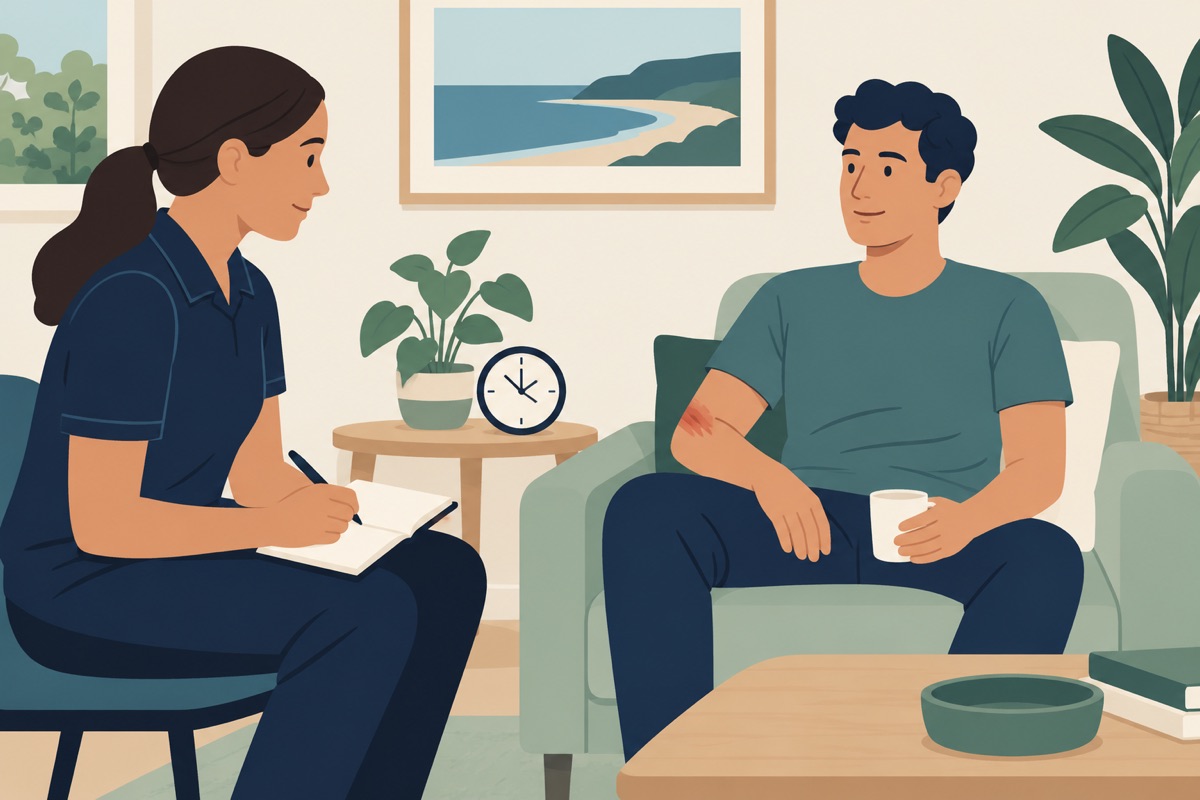

Baseline observations are the first reliable notes about how a person is when you begin helping them. They give you something to compare with later. A person may say “I feel fine” after a fall, then become sleepy or struggle to answer a question. Without an initial picture, it is harder to describe that change to an ambulance operator or clinician. In first aid, the baseline can be simple: the time, what happened, how the person responded and whether they were breathing normally.
What belongs in a first-aid baseline?
Start with what you can observe safely. Note whether the person is alert and speaking normally, whether their breathing looks normal, the colour and feel of their skin, any obvious bleeding, and the symptoms they describe. If they can answer, ask where it hurts, when the problem began and whether the symptoms are changing. Write down approximate times; “about 2:15 pm, able to answer questions” is more useful than “seemed okay earlier.”
A trained first aider with the right equipment might also record pulse, breathing rate, temperature, blood pressure or blood glucose when relevant. Do not treat a single number as a diagnosis. A reading can be inaccurate because of movement, poor technique or a device problem, and “normal” values vary with age, activity and health. Someone who looks increasingly unwell needs help even if a device displays a reassuring number.
Why is the first set useful?
Change often matters more than a snapshot. Imagine a person who initially speaks in full sentences after a collision. Ten minutes later, they are difficult to wake and their breathing has become noisy. Those differences are urgent information, whether or not you measured a pulse. A clear baseline helps you say what changed, when you noticed it and how quickly it happened.
It also prevents a common handover problem: replacing observations with a conclusion. “The person is in shock” may be an understandable concern, but it does not tell the next responder exactly what you saw. “At 2:15 they were talking and warm; at 2:25 they became pale, clammy and confused” gives them facts they can use. Record the person’s own words where practical, especially for pain, dizziness or breathing difficulty.
How should you collect observations without delaying care?
Follow the first-aid priorities first. Make sure the area is safe, check response and breathing, call Triple Zero (000) when the condition is serious, and act on life-threatening bleeding or the need for CPR. An observation sheet must never delay the emergency call or the care the person needs now. If there is another helper, one person can call and assist while the other records times and changes.
For a conscious person, watch and listen while you reassure them. You do not need to perform an elaborate examination before writing “alert, breathing comfortably, complains of chest tightness.” For an unresponsive person, the immediate question is whether breathing is normal. Absent or abnormal breathing calls for CPR according to ANZCOR’s basic life support guidance; do not spend time collecting a full set of vital signs first.
When and how often should you check again?
There is no single interval that suits every emergency. Stay with the person and watch continuously for a change in response, breathing, colour, pain or bleeding. Repeat a more formal measurement if you have training and it helps the situation, recording the time each time. Compare like with like: a breathing rate counted for a full minute while resting is not directly comparable with a quick guess after the person has walked across the room.
If the person becomes harder to wake, develops abnormal breathing, has worsening chest pain, significant new weakness, severe bleeding, or looks rapidly more unwell, call 000 or update the operator immediately. ANZCOR advises first aiders to keep reassessing seriously ill or injured people until care is handed over. A change in condition is a reason to act, not merely another line to add to the notes.
What should the handover sound like?
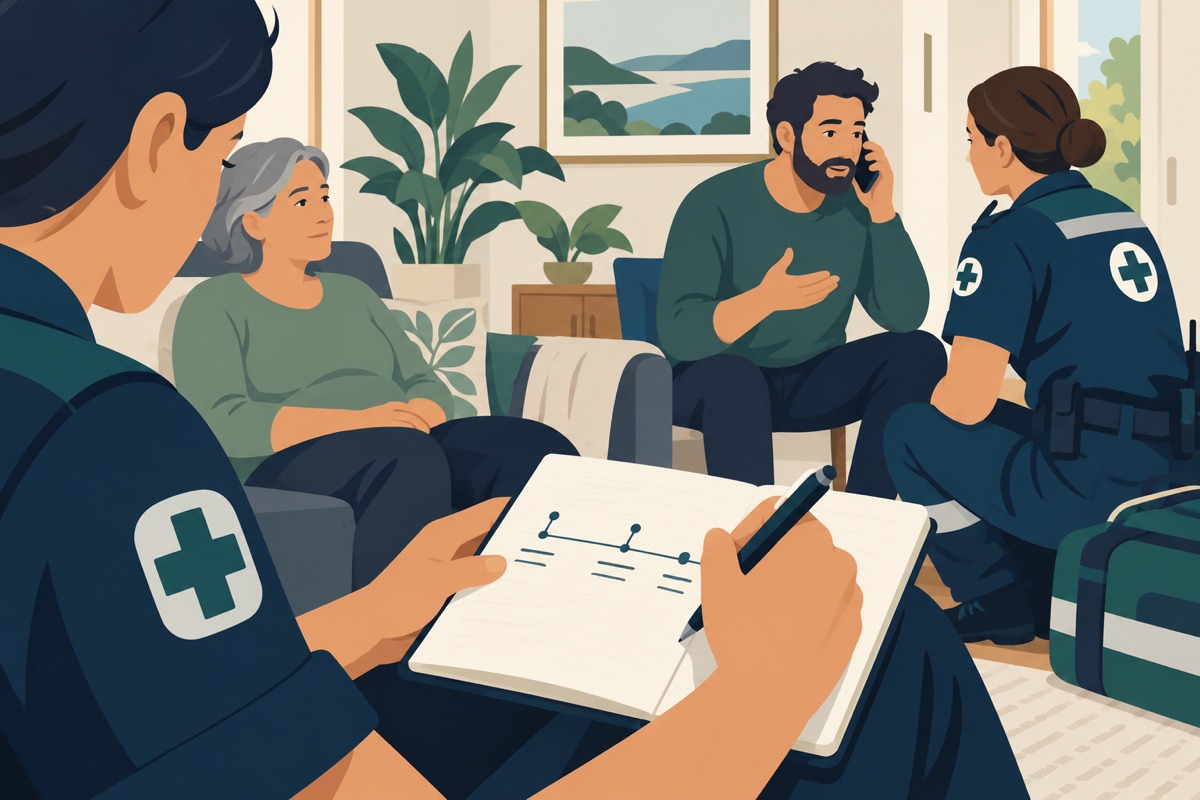
Keep it short and chronological. Give the incident or symptom start time, your first observations, the important changes, any measurements with their times, and the first aid given. Say if a time is an estimate. For example: “She fell at about 2 pm. At 2:10 she was alert, breathing normally and said her left leg hurt. At 2:20 she became pale and light-headed. We kept her still and called 000.”
Baseline observations help you notice a change and explain it to the next responder. If you did not measure something, say so. The distinction between an initial check and ongoing assessment and reassessment matters here: the first observations are a comparison point, not the end of the assessment.
Sources checked
- ANZCOR Guideline 2: Managing an emergency
- ANZCOR Guideline 9.2.3: The seriously ill or injured person
- ANZCOR Guideline 9.2.8: Rapid breathing
- Healthdirect: Physical examination
Sources checked 10 October 2026. This glossary entry is general education, not individual medical advice or a substitute for hands-on first aid training. In an Australian medical emergency, call 000.