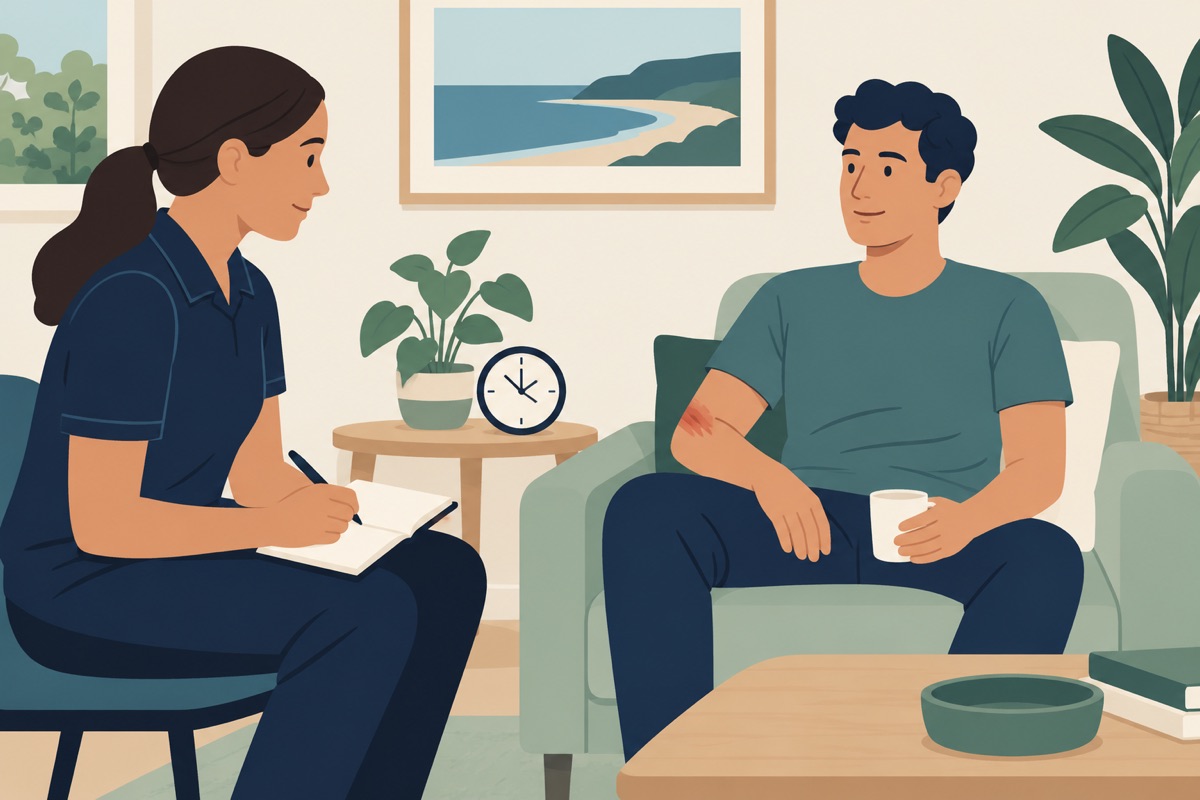
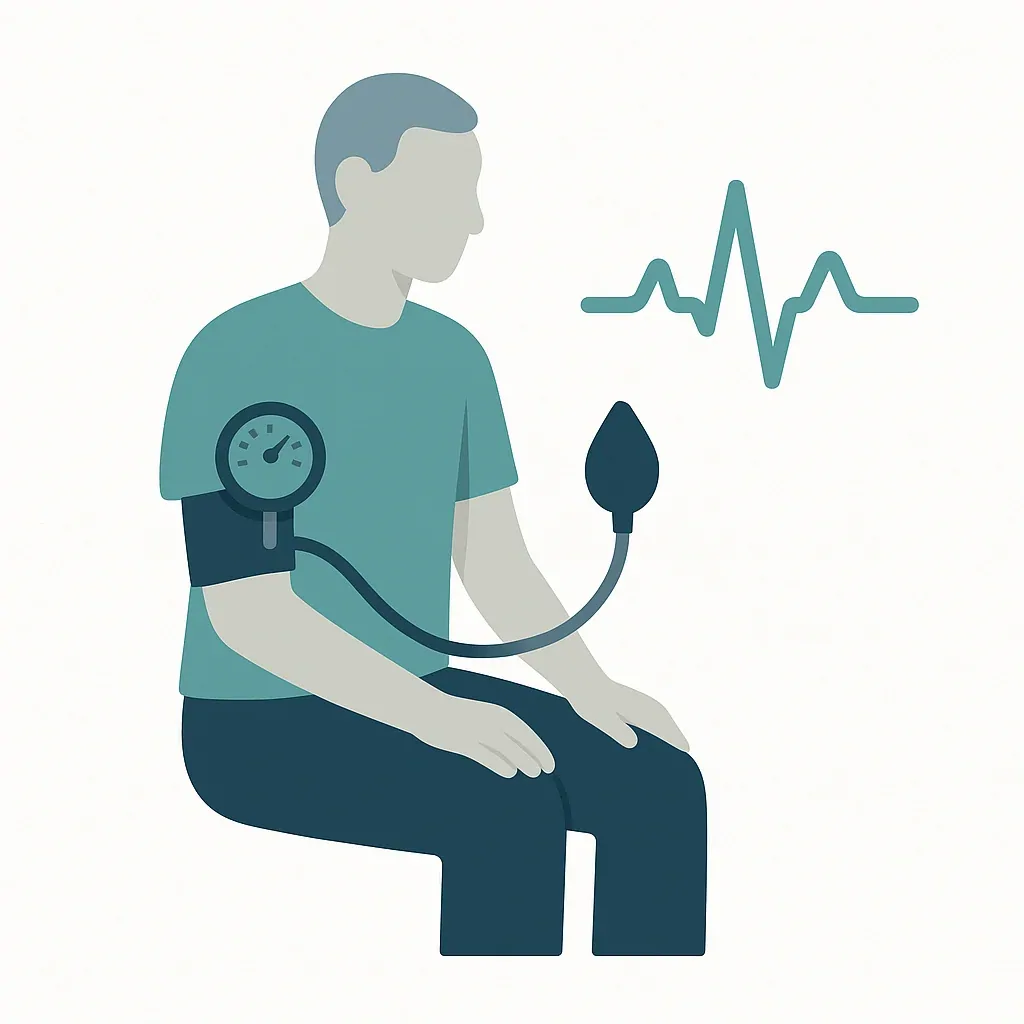

Vital signs are basic signs that show how well a person’s body is working. In first aid, they can help you notice whether someone is stable, getting worse, or needs urgent help.
What are vital signs?
In plain English, vital signs are the important things you can observe or check to understand how a person’s body is coping right now.
Common examples include:
- breathing
- pulse
- responsiveness or alertness
- skin colour and temperature
These signs can change quickly when a person is seriously ill or injured.
Why do vital signs matter in first aid?
Vital signs help you notice whether the person’s airway, breathing, circulation, and brain function seem normal.
For example:
- fast or abnormal breathing can suggest distress
- a weak or very fast pulse can suggest shock or illness
- a drop in responsiveness can suggest a serious emergency
- pale, clammy, or blue skin can suggest poor circulation or lack of oxygen
Watching these changes can help you explain the situation more clearly when you call 000.
Which vital signs are most useful to notice first?
Breathing
Breathing is one of the most important signs to check first. Look for normal chest movement and listen or feel for breathing if needed.
If the person is not breathing normally, start CPR and call 000.
Responsiveness
A quick check of how alert the person is can tell you a lot. AVPU is one simple way to describe whether they are alert, respond to voice, respond to pain, or are Unresponsive.
Pulse
A Pulse Check can sometimes add useful information about circulation, but it should not delay urgent action when someone is unresponsive and not breathing normally.
Skin signs
Changes in skin colour, temperature, and moisture can also matter. Pale, cool, sweaty, or bluish skin can point to poor circulation, shock, or low oxygen.
When should you keep reassessing?
Vital signs are not just a one-off check. They are most useful when you keep noticing whether they stay the same, improve, or get worse.
That is why Reassessment matters. A person whose breathing, responsiveness, or skin signs are changing may be becoming more seriously unwell.
How does this fit into a first aid assessment?
Vital signs fit naturally into the Primary Survey and Secondary Survey.
- the primary survey focuses on immediate life threats
- the secondary survey is the more detailed follow-up check
Vital signs help across both stages because they show whether the person’s condition is stable or changing.
Quick answer
Vital signs are basic signs that show how well a person’s body is working, such as breathing, pulse, alertness, and skin changes. In first aid, they help you notice when someone may need urgent help.
Sources reviewed
- Healthdirect: first aid basics and DRSABCD
- ANZCOR Guideline 3: Recognition and first aid management of the unconscious person
- ANZCOR Guideline 5: Breathing
Reviewed against Australian first aid and emergency guidance by the First Aid Glossary Editorial Team. This article is general information and does not replace emergency-operator directions, professional medical advice or hands-on first aid training.