Baseline Observations
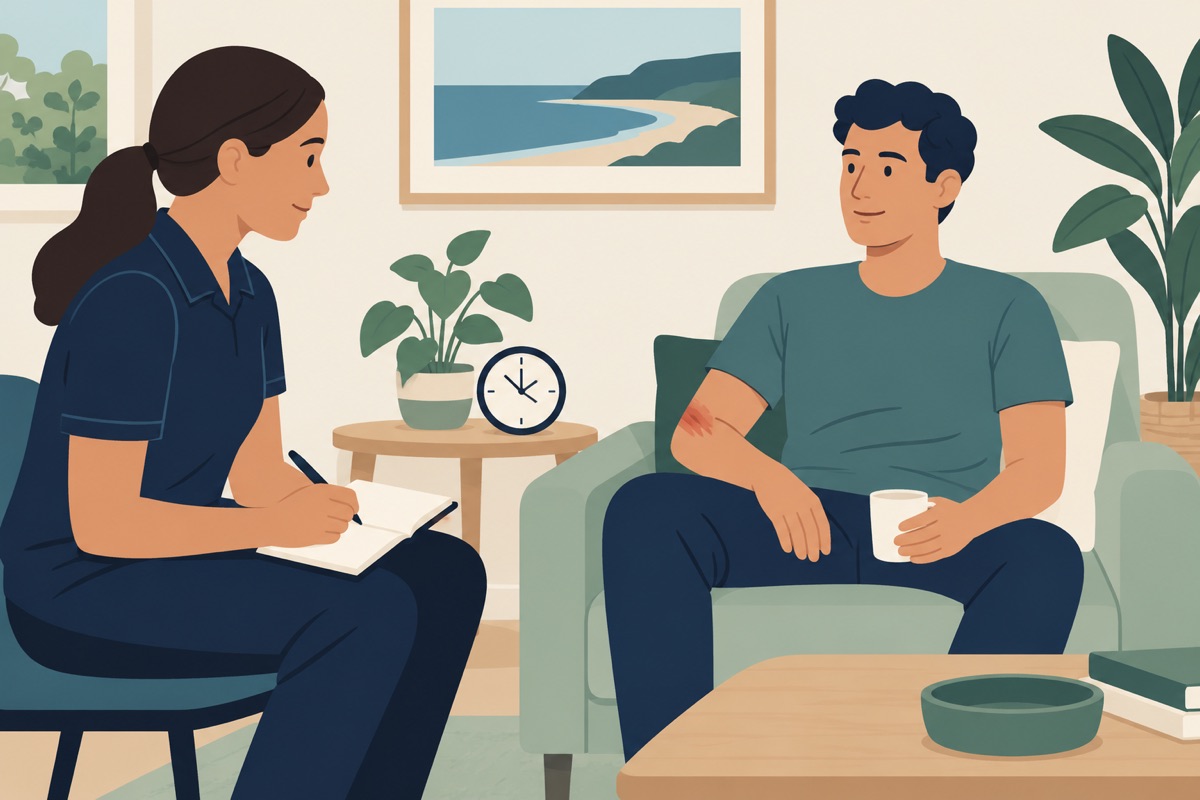
Baseline observations capture how a person was when you first began helping, so changes in breathing, response and symptoms can be recognised and clearly handed over.

Baseline observations capture how a person was when you first began helping, so changes in breathing, response and symptoms can be recognised and clearly handed over.
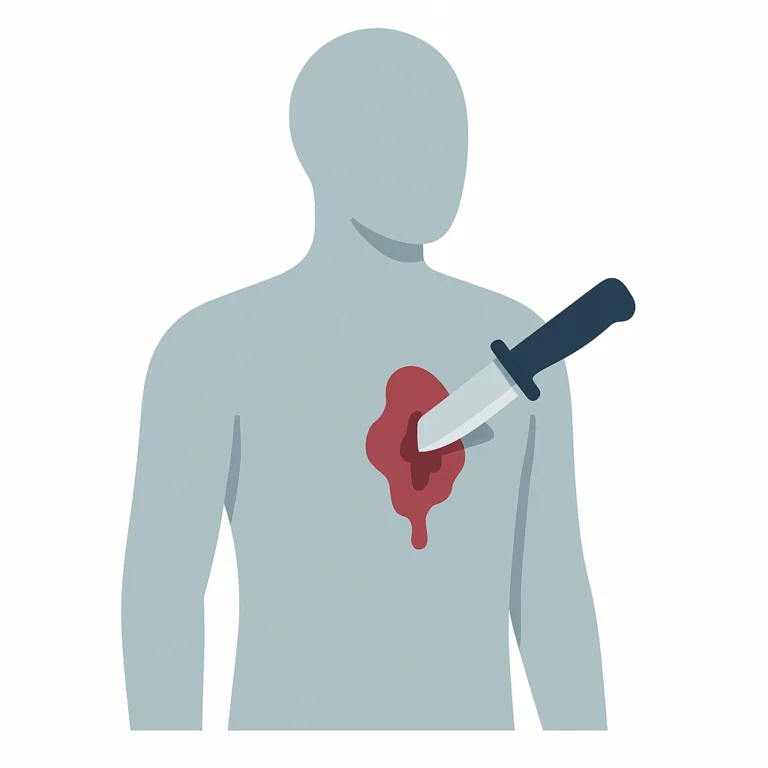
Penetrating trauma occurs when a sharp object pierces the skin, creating a deep wound that can damage vital organs and cause serious bleeding. Knowing how to respond calmly and safely is crucial to support the injured person until professional help arrives.
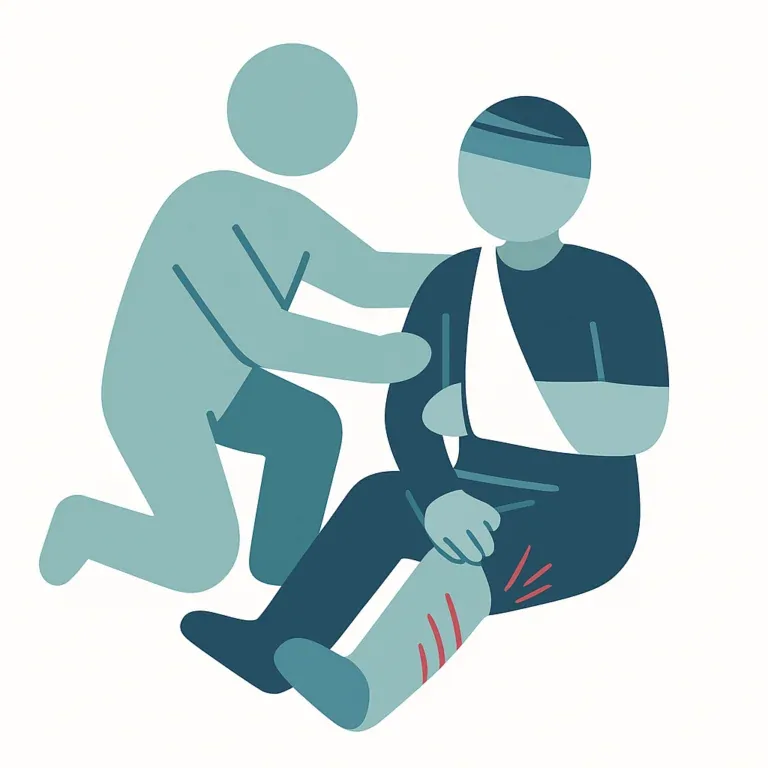
Managing multiple injuries requires a calm and careful approach to ensure each injury receives the right attention, prioritizing the most serious first to keep the person safe until help arrives. Whether it’s cuts, broken bones, or breathing difficulties, knowing how to handle multiple injury management can make all the difference in an emergency.

Poison control is all about knowing how to act quickly and safely when someone is exposed to harmful substances, whether at home or elsewhere. By understanding the basics, you can help keep your loved ones safe and get the right help fast in an emergency.

A primary survey is the first rapid check for life-threatening problems. Learn how it links to DRSABCD, airway checks, CPR, and recovery position.
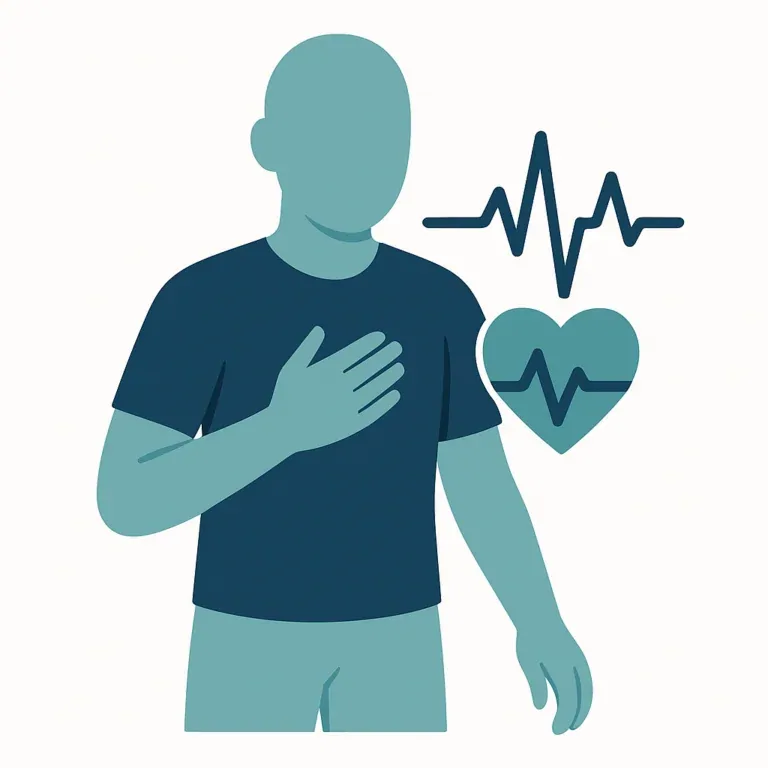
Tachycardia means a heart rate faster than normal, usually over 100 beats per minute at rest. Learn the warning signs, what first aid to give, and when to call for urgent help.
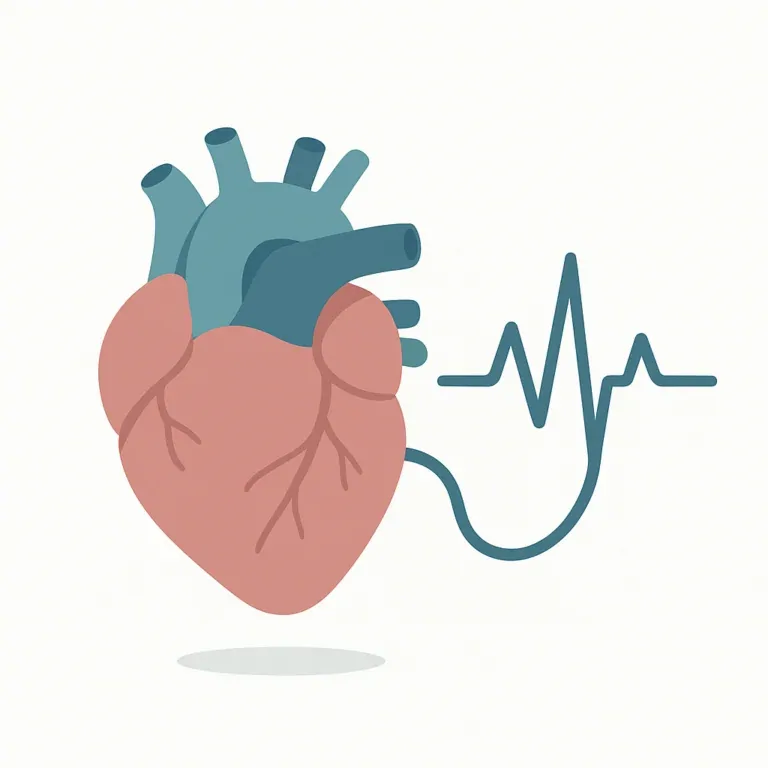
Heart rate means how many times the heart beats in one minute. Learn why heart rate matters in first aid, how it relates to pulse, and when abnormal rates need urgent help.

Blood loss happens when blood flows out from a wound, and understanding it is key because your blood carries oxygen and nutrients that keep your body working. Learning how to stop bleeding quickly is vital in first aid to prevent serious complications and even save a life.
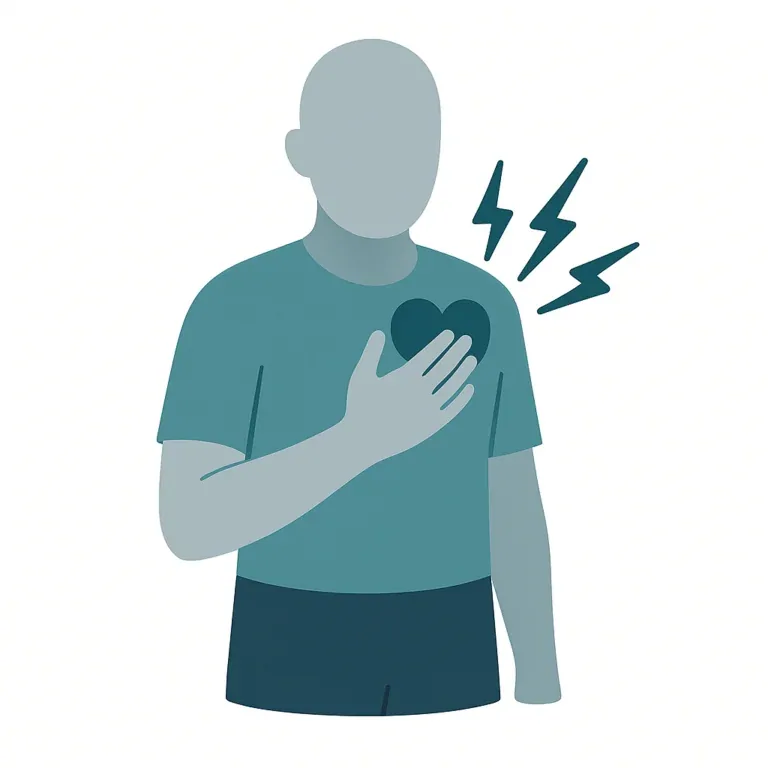
Life-threatening conditions demand quick action—knowing how to recognise signs like choking, severe bleeding, or a heart attack can make all the difference in saving a life. By staying calm and calling emergency services immediately, you can provide crucial first aid that helps keep someone safe until professional help arrives.
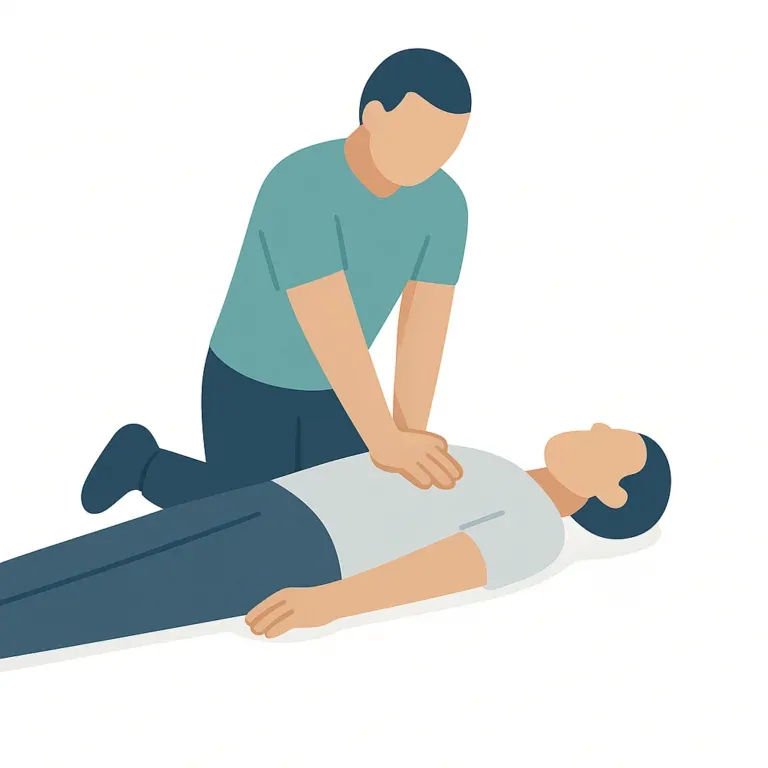
Basic life support means the first emergency actions used to keep someone alive. Learn what basic life support includes and how it connects to DRSABCD, CPR, and recovery position.