
Nosebleed definition
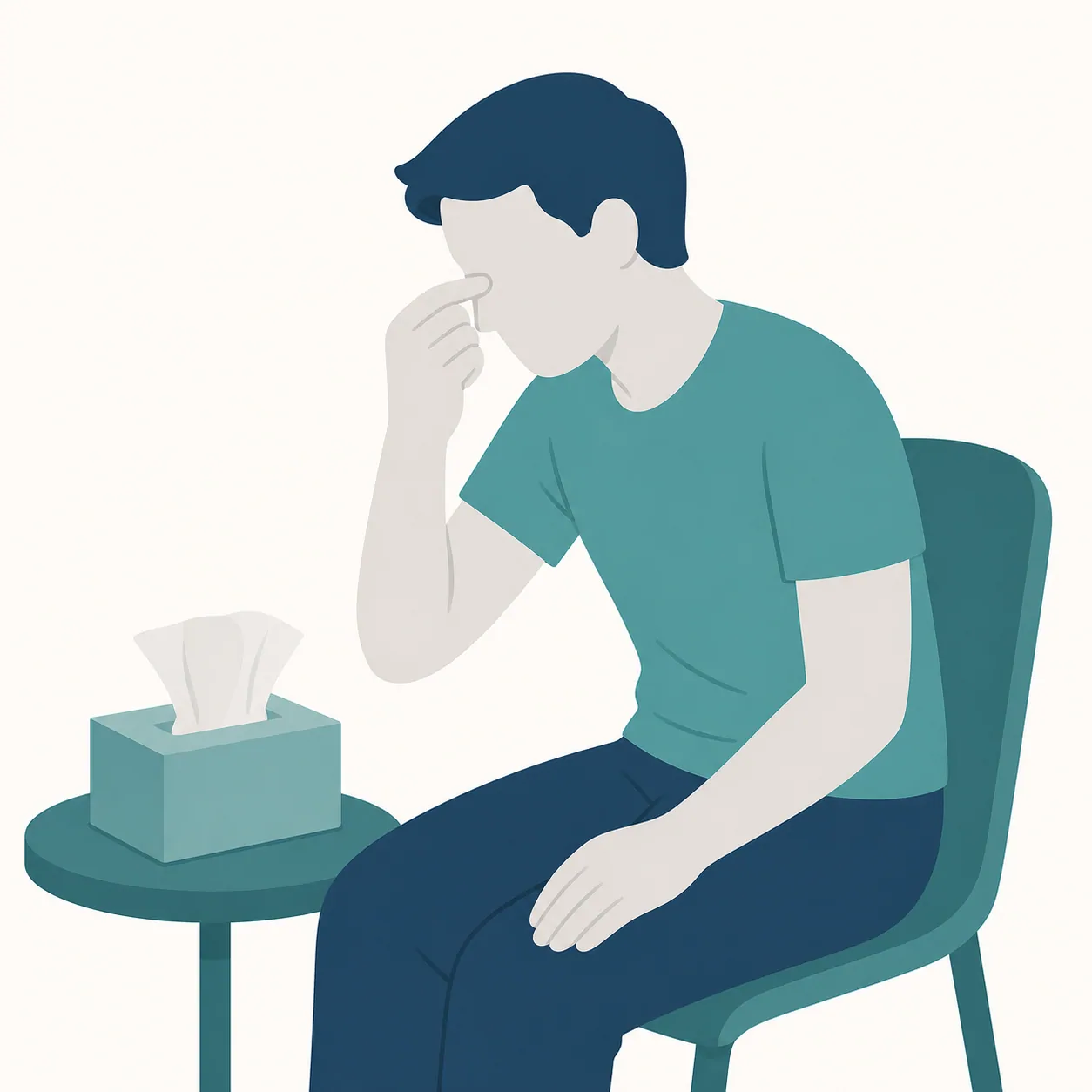
A nosebleed, also called epistaxis, is bleeding from inside the nose. Most nosebleeds start near the front of the nasal passages and can be managed with calm, simple first aid. The key is position and continuous pressure: sit up, lean forward, pinch the soft part of the nose and hold that pressure without checking too early.
Nosebleeds can look dramatic because even a small amount of blood is noticeable on the face or clothing. This does not automatically mean the bleeding is dangerous. It does mean the person needs reassurance, a clean place to sit and enough time for the correct first-aid steps to work. Heavy bleeding, a serious facial injury, repeated episodes or bleeding that does not settle are different situations and need medical advice or urgent care.
The first-aid steps
Ask the person to sit upright and lean forward, not backward. Leaning forward reduces the amount of blood that runs down the throat, which can cause coughing, nausea or vomiting. Give them a bowl, tissues to spit into or a towel for their lap if needed. Encourage slow mouth breathing.
Using a thumb and finger, pinch the lower soft part of both nostrils, below the hard bony bridge of the nose. Hold firm, continuous pressure for a full 10 minutes. Set a timer; it is surprisingly easy to release pressure after only a minute or two. Do not keep letting go to see whether it has stopped.
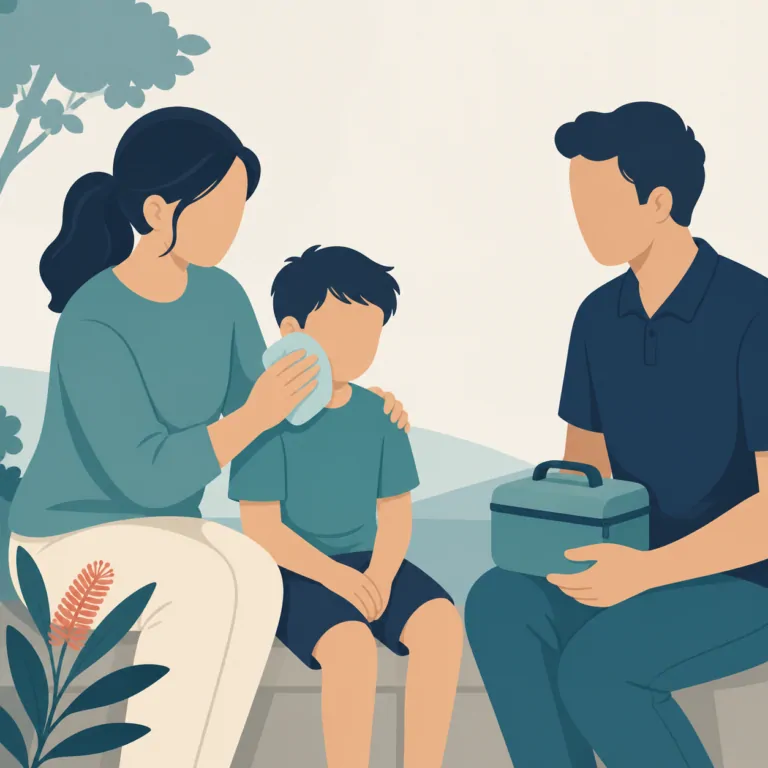
After 10 minutes, release gently and check. If bleeding continues, repeat the same pressure for another 10 minutes. A cool compress on the front of the face can be comforting, but it does not replace correct pressure. A child may need an adult to hold the nose or sit close enough to make sure pressure is maintained safely.
What not to do
Do not tilt the head back or lie the person flat. These positions make swallowed blood more likely. Do not pinch the bony bridge, as it does not put pressure on the usual bleeding area. Do not stuff tissues, cotton wool or other material into the nostrils. It can stick to the clot, trigger new bleeding when removed and make the situation harder to assess.
Avoid asking the person to blow their nose to “clear it out.” Once bleeding has stopped, blowing, picking, heavy lifting, strenuous exercise, hot drinks, hot showers and hot baths can restart it. Healthdirect advises avoiding strenuous activity for 24 hours after a nosebleed settles. Treat the nose gently and leave any crusting alone.
If blood is in the mouth, encourage the person to spit it out rather than swallowing it. Swallowed blood can make them feel sick and may cause vomiting, which is distressing and can disturb the clot.
Common causes and prevention
Nosebleeds are common in children and older adults. The inside of the nose has delicate blood vessels that can bleed after nose picking, a minor bump, dry air, a cold, allergies or vigorous blowing. Some medicines and medical conditions can make bleeding more likely or harder to stop.
Prevention depends on the cause. Keeping fingernails short, discouraging nose picking, treating nasal dryness as advised by a pharmacist or clinician, and using a humidifier where appropriate may help some people. If allergies or recurrent congestion are contributing, seek advice about safe treatment rather than using nasal products beyond their instructions.
A repeat pattern is worth discussing with a GP, especially if nosebleeds are frequent, hard to control, happen alongside easy bruising or other bleeding, or interrupt sleep and everyday activity. Do not assume frequent nosebleeds are “normal” just because a person has had them before.
Nosebleeds in children
The first task with a child is often to reduce fear. Sit at their level, speak calmly and tell them you will hold the soft part of their nose while they lean forward. Keep the explanation short: “We are going to pinch here and breathe through your mouth until the timer finishes.” Let a trusted adult stay nearby.
Check for a simple cause such as a minor bump or rubbing, but do not put fingers, tweezers or tissues into the nose. If you suspect a child has put an object into their nose, seek medical advice rather than trying to remove it. A button battery in the nose is an emergency and needs immediate urgent assessment.
Seek help promptly if the nosebleed follows a significant head or facial injury, if the child is unusually drowsy or confused, if bleeding is heavy, or if it is not stopping after two rounds of correct pressure. Treat the whole child, not just the nose: an injury with breathing difficulty, collapse or severe pain needs emergency attention.
After the bleeding stops
For the rest of the day, keep activity gentle. Avoid rubbing, picking and blowing the nose. Do not test whether it has healed by repeatedly touching inside the nostril. If a second nosebleed begins, return to the same first-aid method: upright, forward, firm pressure on the soft part for 10 minutes.
If blood has marked clothing, focus on the person first. Changing clothes or cleaning the floor can wait until the nosebleed is controlled. Wash hands afterwards and dispose of used tissues or dressings safely. If you are assisting someone outside your household, use gloves if available and clean any blood-contaminated surfaces according to local procedures.
When to seek medical advice
Contact a doctor, pharmacist or health service for recurrent nosebleeds, questions about medicines that affect bleeding, a nosebleed after a blow to the face, or an episode that keeps coming back. In Australia, Healthdirect’s nurse advice line (1800 022 222) can help direct non-emergency concerns.
Go to an emergency department or seek urgent care if bleeding is very heavy, does not stop after 20 minutes of correct pressure, or the person has significant blood loss symptoms such as faintness, weakness, confusion or shortness of breath. Seek urgent assessment for a suspected broken nose, a major facial injury, blood coming from the nose after a serious head injury, or bleeding while the person is on blood-thinning medicine and it cannot be controlled.
Call Triple Zero (000) for an ambulance when the person is unconscious, has difficulty breathing, has severe trauma, is becoming rapidly unwell or has life-threatening bleeding. Stay with them, keep them leaning forward if safe and follow the operator’s instructions.
A simple script for a bystander
When people are flustered, a short checklist is more useful than a long explanation: “Sit up. Lean forward. Pinch the soft part of your nose. Keep holding while I set a ten-minute timer. Breathe through your mouth. Don’t look yet.” This approach helps protect the clot and gives the person something clear to do.
If the bleeding stops, say: “Good. Try not to blow or pick your nose today. If it starts again, we’ll repeat the same steps. If it is heavy or does not stop after another ten minutes, we will get medical help.” Clear language prevents the common mistake of leaning back or stopping pressure too soon.
Related glossary terms
Sources reviewed
- Healthdirect: nosebleeds
- Healthdirect: facial injuries
- Healthdirect: first aid advice
- Triple Zero (000): emergency calling information
Reviewed against Australian first aid and emergency guidance by the First Aid Glossary Editorial Team. This article is general information and does not replace emergency services, professional medical advice or hands-on first aid training.