
- Blister definition
- Stop the friction that caused it
- Care for an intact blister
- If the blister has already broken
- Blood blisters and heat blisters
- People who should seek advice early
- Signs of infection or a problem
- Prevention for walking, sport and work
- A small kit that helps
- Related glossary terms
- Sources reviewed
Blister definition
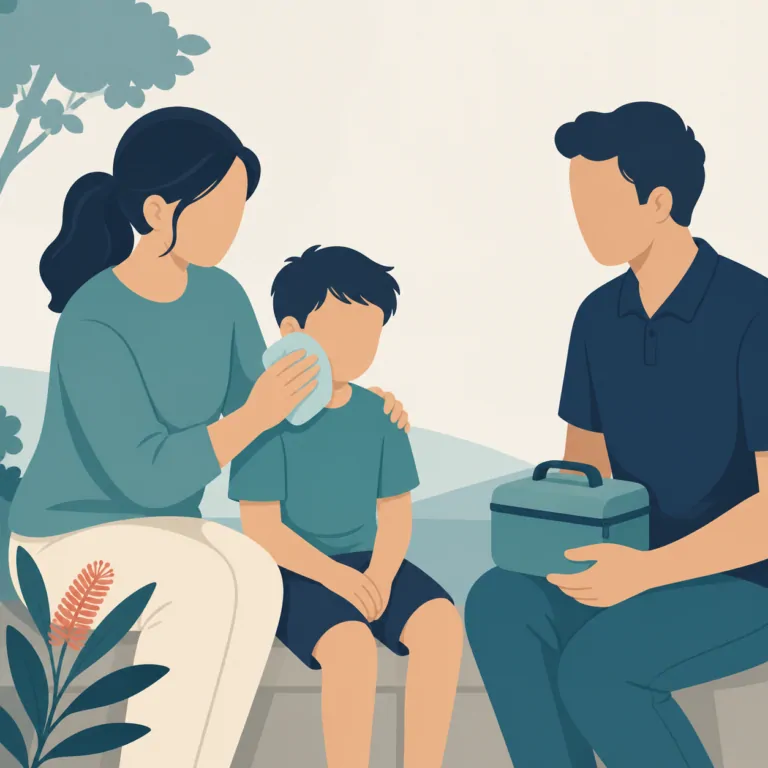
A blister is a small pocket of fluid that forms under the outer layer of skin, most commonly after repeated rubbing or pressure. Blisters on feet and hands are often caused by new shoes, long walks, sport, manual work or equipment that does not fit well. First aid for a simple friction blister focuses on reducing the rubbing, protecting the skin roof and watching for infection.
An intact blister can be sore but the unbroken skin is useful: it forms a natural cover over the raw tissue below. That is why the usual approach is not to pop it. There are exceptions—large, very painful or medically complicated blisters may need professional treatment—but routine home “draining” creates another opening for germs and often makes walking more difficult.
Stop the friction that caused it
The first aid step is often behavioural rather than a product. Stop, remove or alter the source of rubbing before covering the blister. A dressing cannot overcome a shoe that keeps sliding, a wet sock, a loose tool handle or a repetitive action that is still damaging the same patch of skin.
For a foot blister, sit down, remove the shoe and sock, and inspect the area in good light. Dry the foot and sock if they are damp. Check for a seam, grit, worn insole or heel movement. On a hike or sporting event, it may be safer to shorten the activity, change footwear or arrange transport than to push through pain and create a much larger wound.
For a hand blister, consider gloves that fit, padded grips, a different technique or a break from the task. Do not return to work with a blister if handling machinery, chemicals or food would make the damaged skin unsafe.
Care for an intact blister
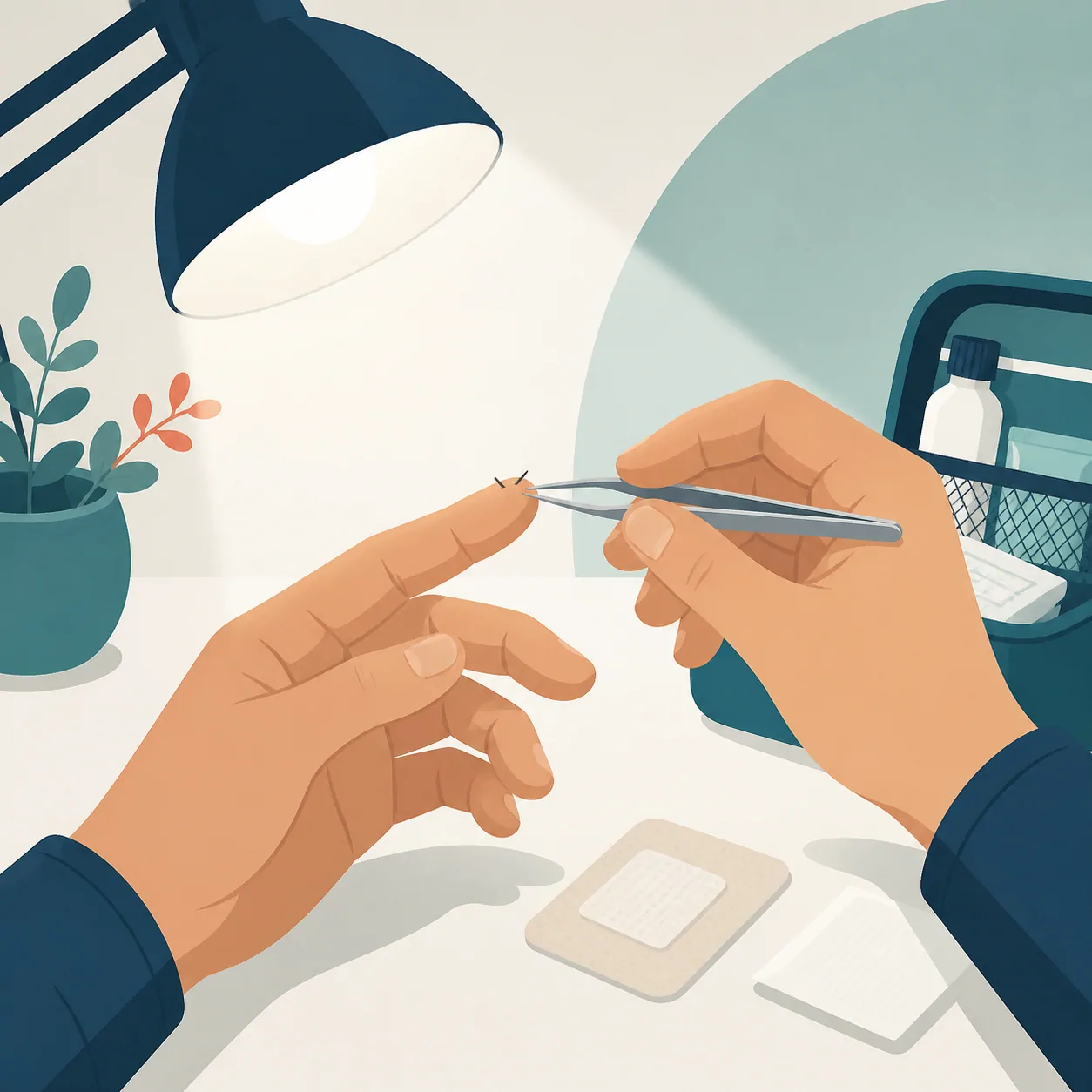
Wash your hands. Gently clean the surrounding skin with soap and water, then pat it dry. Avoid scrubbing the blister roof. If it is small and not in a rubbing area, it may be enough to keep it clean and leave it uncovered when safe from friction.
Where a blister will be rubbed, use a clean, suitable blister dressing or a padded protective dressing designed for the location. Follow the product instructions. The aim is to cushion the area and reduce shear, not to wrap the foot so tightly that toes become cold, numb or tingly. Check circulation after bandaging, especially on children and people with reduced sensation.
If footwear must be worn, choose the roomiest practical option and a clean, dry sock. Do not put adhesive directly over loose blister skin if removing it will tear the area further. A pharmacist can help select a suitable product when the location or skin sensitivity makes this difficult.
If the blister has already broken
Broken skin needs a little more care. Rinse it gently with clean running water, wash the surrounding skin and pat dry. Do not peel away the loose skin roof simply because it looks untidy; if it is still attached, it may protect the sensitive tissue beneath. If it is dirty, completely detached or catching badly, seek advice from a clinician or pharmacist rather than cutting at it yourself.
Cover the area with a clean, non-stick dressing and change it if it becomes wet, dirty or loose. Keep the pressure off where possible. Do not use strong antiseptics, alcohol, peroxide or improvised home remedies inside the open blister unless a clinician has instructed you to use a particular product. Simple cleaning and protection are usually the useful basics.
Avoid public pools, spas and natural water while an open blister is healing where practical. Moisture and shared surfaces can irritate the area or increase exposure to germs. If your work involves wet conditions, health care, food handling or a required protective standard, follow workplace policy and seek advice before returning.
Blood blisters and heat blisters
A blood blister is a blister containing blood, usually after a pinch, impact or pressure injury. Treat it as a blister—protect it and reduce further pressure—but consider the force that caused it. A crushed finger, severe pain, nail injury, loss of movement, numbness or a suspected fracture needs assessment rather than only a dressing.
Blisters caused by a burn are different. A burn blister can signal a more serious injury, especially if it is large, deep, on the face, hands, feet, genitals or a major joint, or caused by chemicals or electricity. Cool a thermal burn with cool running water for 20 minutes as soon as possible, do not apply ice or creams, and seek medical advice for a blistering burn. Do not pop burn blisters.
Sunburn can also blister. Get out of the sun, cool the skin, drink fluids and seek medical advice for blistering, severe pain, large affected areas, fever, dehydration, or sunburn in a baby or young child.
People who should seek advice early
Diabetes, poor circulation, reduced sensation in the feet, immune suppression and some medicines can change how a small skin injury heals. A person with diabetes should take a new foot blister seriously and contact their healthcare team or podiatrist promptly, particularly if the area is open, red, warm, swollen or not improving. They should not try to trim the skin themselves.
Young children may not notice a rubbing shoe until the skin is damaged. Check feet after a new pair of shoes, a long day or a sporting event. Older people and people who cannot easily inspect their feet may need help checking for pressure areas before they become sores.
Signs of infection or a problem
It is normal for a new blister to be tender. It is not a good sign if pain becomes worse, redness spreads, the area feels hot, swelling increases, pus appears, red streaks develop, fever occurs or the person feels unwell. Seek medical advice for these signs, for a blister that will not heal, or for repeated blisters without an obvious cause.
Get urgent medical attention for an injury with severe pain, numbness, a crushed limb, a serious burn, signs of a severe allergic reaction, or a person who is rapidly becoming unwell. Call Triple Zero (000) where the condition is life-threatening or time-critical.
Prevention for walking, sport and work
Blister prevention is usually about fit and moisture. Break in new shoes gradually rather than debuting them on a long hike. Use footwear that gives toes space and keeps the heel from sliding. Choose clean, dry socks that suit the activity and change them after heavy sweating or wet conditions. Stop at the first “hot spot”; a small protective adjustment at that point is easier than managing a full blister later.
For sport or repetitive work, check equipment size, grip and technique. Gloves must fit: loose gloves can bunch and rub, while tight gloves concentrate pressure. Build breaks into long jobs and report equipment that creates a predictable injury risk. At a workplace, first aid should sit alongside practical controls such as better tools, suitable gloves and safer task rotation.
A small kit that helps
A walking, sports or workplace first-aid kit can include clean dressings, a non-stick pad, tape, suitable blister dressings, disposable gloves, saline and a small pair of scissors. Check expiry dates and package condition. The kit should be easy to reach; a blister dressing at the bottom of a car boot is not much help halfway through a walk.
Pack enough water and plan routes, footwear and rest breaks sensibly. Good preparation makes it less likely that a person will feel pressured to continue with a painful blister simply because there is no easy alternative.
Related glossary terms
Sources reviewed
- Healthdirect: blisters
- Healthdirect: wounds, cuts and grazes
- ANZCOR Guideline 9.1.3: First Aid for Burns
- Healthdirect: first aid advice
Reviewed against Australian first aid and emergency guidance by the First Aid Glossary Editorial Team. This article is general information and does not replace emergency services, professional medical advice or hands-on first aid training.