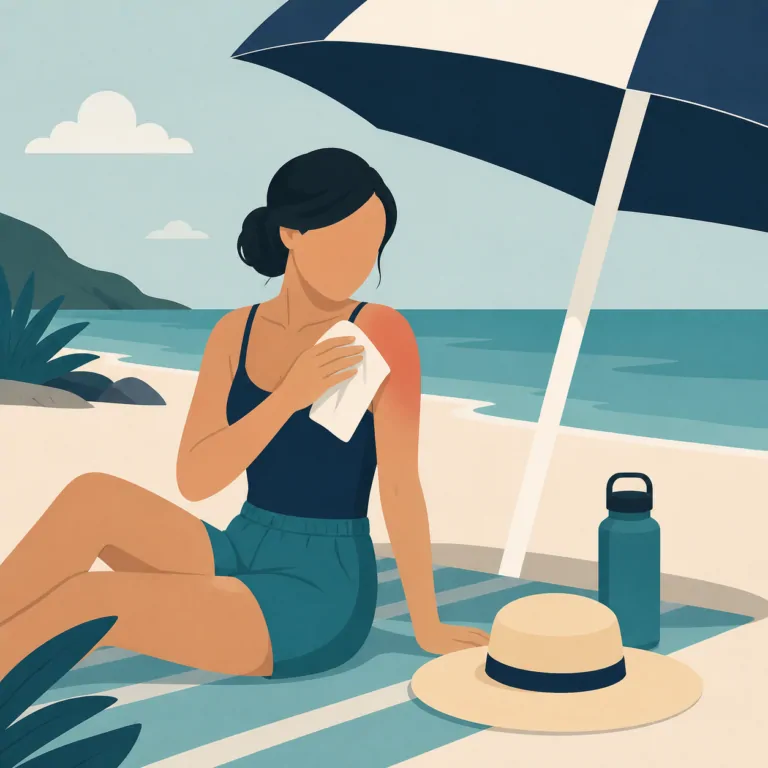
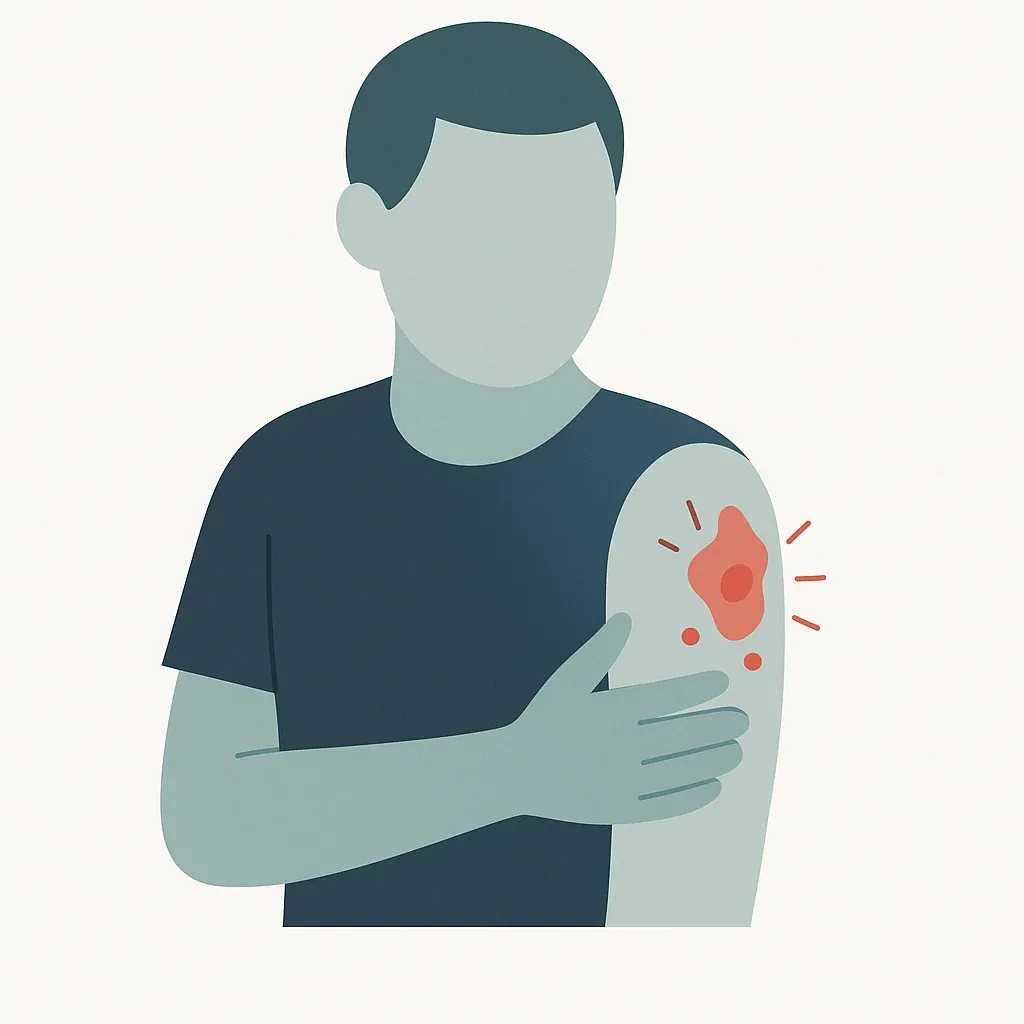

Bites and stings happen when an insect, animal, or sometimes a person breaks the skin with teeth, claws, or a sharp part like a sting. This can cause pain, swelling, and sometimes other problems. In first aid, knowing what to do if someone is bitten or stung can help reduce pain and stop the situation from getting worse.
When we say “bites-and-stings/" class="fag-auto-link">bites and stings,” we include bites from animals like dogs or snakes, and stings from insects like bees, wasps, ants, or spiders. Each type can cause different reactions in the body. Sometimes a bite or sting only causes a small bruise or itch, but other times it might cause more serious problems like allergic reactions or infections.
Understanding bites and stings is important because they are common and can happen to anyone, at home, work, or outside. Knowing how to respond calmly and carefully can prevent more harm and keep the person safe until professional help arrives if needed.
What Happens When Someone Is Bitten or Stung
When a bite or sting breaks the skin, the body reacts by sending blood and cells to the injured area. This often causes redness, swelling, warmth, and pain. Sometimes the area feels itchy or tingly. This reaction is the body’s way of trying to protect itself from germs or poison.
Some bites and stings can also put harmful germs or venom into the body. Germs may cause infection, which means the skin or deeper tissues get sore, red, warm, or filled with pus. Venom is a poison some animals and insects inject to defend themselves or catch prey. Venom can cause more serious reactions in the body, like pain all over, dizziness, or trouble breathing.
Signs to Look For After a Bite or Sting
You might notice a red lump or swelling where the bite or sting happened. It might be painful or itchy. Sometimes you will see the teeth marks, a sting left behind (like a bee’s sting), or small holes in the skin.
If the person feels dizzy, weak, or very unwell, this could mean the body is having a strong reaction to the bite or sting.
Other serious signs include swelling of the face, lips, or throat, trouble breathing or speaking, a fast heartbeat, or passing out. These signs need emergency help immediately.
How to Care for Bites or Stings
The first job is to keep the person calm and safe. You want to stop the area from getting worse and prevent infection.
If you see a sting left in the skin, like a bee’s sting, try to remove it carefully without squeezing. Washing the area gently with water can help clean out germs.
Applying something cool, like a cold cloth or ice wrapped in a cloth, can reduce pain and swelling. Do not put ice directly on the skin.
If the bite or sting is on a limb, try to keep it still and lower than the heart if it helps stop swelling.
Do not scratch or rub the bite or sting. This can make the area sore or infected.
Watch the person for changes. If the bite or sting looks worse, or the person feels sick, you should call emergency services.
When to Call Emergency Services
If the person has trouble breathing, swelling of the face or throat, is floppy, confused, or collapsing, call 000 right away. This could mean a severe allergic reaction called anaphylaxis, which needs urgent treatment.
If the bite is from a snake or funnel-web spider, it is important to call 000 immediately. These bites can be dangerous, even life-threatening.
Also, call 000 if the person has a bad infection, spreading redness, or if the swelling and pain keep getting worse quickly.
When in doubt, it is better to get medical help early than to wait.
Preventing Bites and Stings
It helps to avoid places where biting or stinging animals live. Wear clothes that cover your skin when walking in bush areas or places with many insects.
Do not touch or disturb animals or insects, especially if you do not know if they are safe.
Keep your home and outside areas clean to stop pests from coming inside.
If someone is known to be allergic to insect stings, they should carry any medicine their doctor gives them and tell others about their allergy.
Staying safe and aware is the best way to prevent bites and stings.
What Bites and Stings Are Common in Australia
Australia has many insects and animals that can bite or sting. Common bites come from dogs, spiders, mosquitoes, and ticks. People are often stung by bees, wasps, and ants.
Some bites and stings can cause serious problems here, like those from certain spiders or snakes, so they need special care.
Even bites from smaller insects, like mosquitoes, can spread illnesses, so it is important to protect yourself.
General Tips for First Aid with Bites and Stings
Always stay calm and reassure the person bitten or stung.
Check if the person has any allergies, and ask if they have had strong reactions to bites or stings before.
Keep the person comfortable and still to avoid spreading venom in some cases.
Clean the area gently but do not use strong chemicals or rub hard.
Remove stings quickly if it is safe to do so, without squeezing too much.
Cover the bite or sting with a clean, loose bandage if there is bleeding.
Watch the person carefully for at least 30 minutes to see if they develop serious symptoms.
In all cases, if you are unsure, call 000 for advice and help.
Summary
Bites and stings happen when skin is broken by an animal or insect. They can hurt, cause swelling, and sometimes make people very sick. First aid helps by cleaning the area, reducing pain and swelling, and looking out for serious signs. Always stay calm, keep the person safe, and call emergency services if the situation is serious or gets worse. Prevention is important by being careful around animals and insects and knowing what to do if a bite or sting occurs.