
Bites are injuries that happen when someone or something uses their teeth to break the skin. This can happen from other people, animals, or insects. Bites can be uncomfortable and might cause pain, bleeding, swelling, or infection. In first aid, understanding bites is important because they need special care to help the person feel better and stay safe from infections or other problems.
What Happens When You Get a Bite
When a bite breaks the skin, it creates a small cut or wound. This allows germs, like bacteria or viruses, to enter the body. Some bites can also cause bruising or damage to the tissues under the skin. The bite area might become red, swollen, or painful. Sometimes, the body reacts strongly to the bite, causing itching, rash, or even trouble breathing for some people.
Types of Bites You Might See
There are many different kinds of bites. Some bites can come from other people during an accident or fight. Animal bites, like those from dogs or cats, are common and can be serious if the skin breaks. Insect bites, such as from mosquitoes, spiders, or ticks, are also usually bites but can cause different reactions.
Why Bites Matter in First Aid
Bites are important to treat quickly. This is because bacteria and germs can easily get into the body through a bite wound. If germs get inside, the bite might become infected. Infections can cause the bite area to become more painful and swollen and might lead to fever or feeling unwell. Some bites can also spread serious diseases if not cared for properly.
What You Might Notice After a Bite
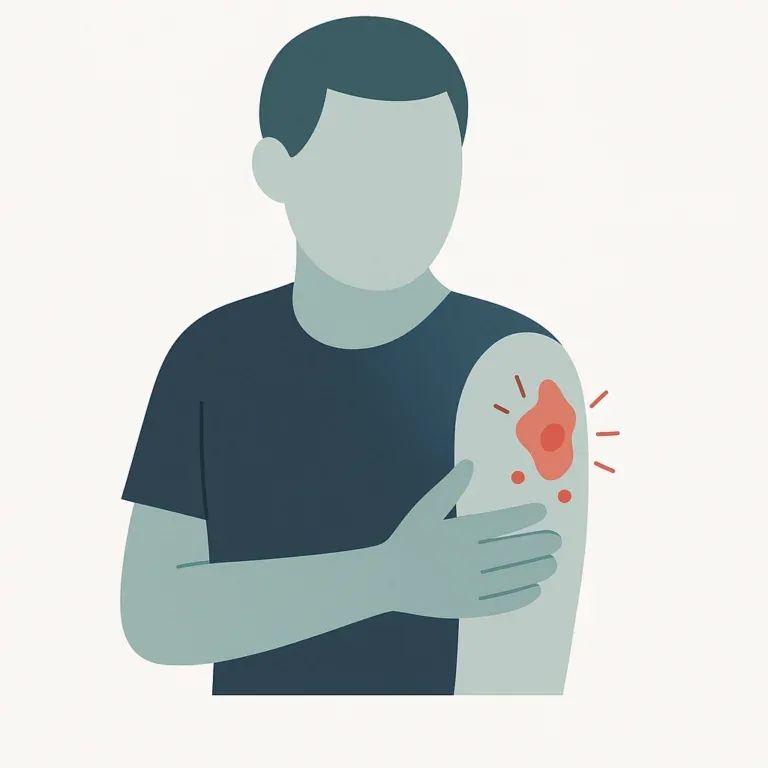
You may see a small hole or wound on the skin. The spot might be red and feel warm. There could be swelling, pain, or bleeding. Small bites might have a little bleed, but bigger bites can cause more blood. Sometimes, a bite will cause a rash or blisters. The person might feel itchy or notice the skin around the bite feels hard or lumpy.
First Aid Steps to Take for Bites
When someone gets a bite, the first thing to do is stay calm and check how serious the bite is. Look at how deep the wound is and if it is bleeding a lot. If it is bleeding heavily, try to gently press with a clean cloth or bandage to stop the bleeding.
Next, clean the bite with clean water. Washing the area helps remove dirt and germs. Avoid using strong chemicals or soaps, as they might hurt the skin more. Gently pat the area dry with a clean towel.
Cover the bite with a sterile dressing or clean bandage to keep it safe from more germs. If the bite comes from an animal, try to find out if the animal is safe or if it might have rabies or other diseases. This information helps when talking to health workers.
Watch the bite area closely. If it gets worse, hurts more, or the person starts feeling sick, it is important to see a doctor. Do not try to squeeze or cut the bite area.
When to Call Emergency Services
Some bites can be very serious. Call 000 in Australia if the person is bleeding a lot and you cannot stop it, if they have trouble breathing, if the bite affects the face or neck, or if the person shows signs of an allergic reaction like swelling of the face, lips, or throat.
Also call 000 if the person is very unwell, feels faint, confused, or loses consciousness after being bitten. These signs mean urgent help is needed.
How to Stay Safe Around Animals and Insects
It is a good idea to stay calm around animals, especially ones you do not know. Sudden movements or loud noises can scare animals and make them bite. Avoid touching wild animals or strange pets without permission.
If you are in an area where insect bites are common, wear appropriate clothing and use insect repellent. Cover exposed skin and check yourself for ticks after being in the bush.
Take Care of the Bite After First Aid
Keep the bite clean and dry. Change the dressing every day or if it gets wet or dirty. Avoid scratching the bite, as this can cause more damage and increase the chance of infection.
Watch for signs of infection like redness spreading, increasing pain, swelling, pus, or fever. If any of these happen, see a doctor.
Vaccines and Medical Help
Some bites might need extra care, including vaccines to stop diseases like tetanus or rabies. Health professionals can check the bite and decide if the person needs these vaccines.
It is important to see a health worker if the bite is deep, caused by a wild or unknown animal, or if the person’s last tetanus shot was a long time ago.
Summary
Bites happen when teeth break the skin. They can come from people, animals, or insects. Bites might bleed, hurt, or cause swelling. They can get infected if not cleaned and treated properly. First aid for bites means stopping bleeding, cleaning the area, and covering it to protect from germs.
Always watch bites carefully and be ready to call 000 if there is heavy bleeding, trouble breathing, or serious allergic reactions. Being calm and caring quickly can help the person recover well and avoid more troubles.
Remember to take care when near animals and insects to reduce the chance of getting bitten. If a bite worries you or the person feels unwell, getting medical help is always the safest choice.