Angioedema
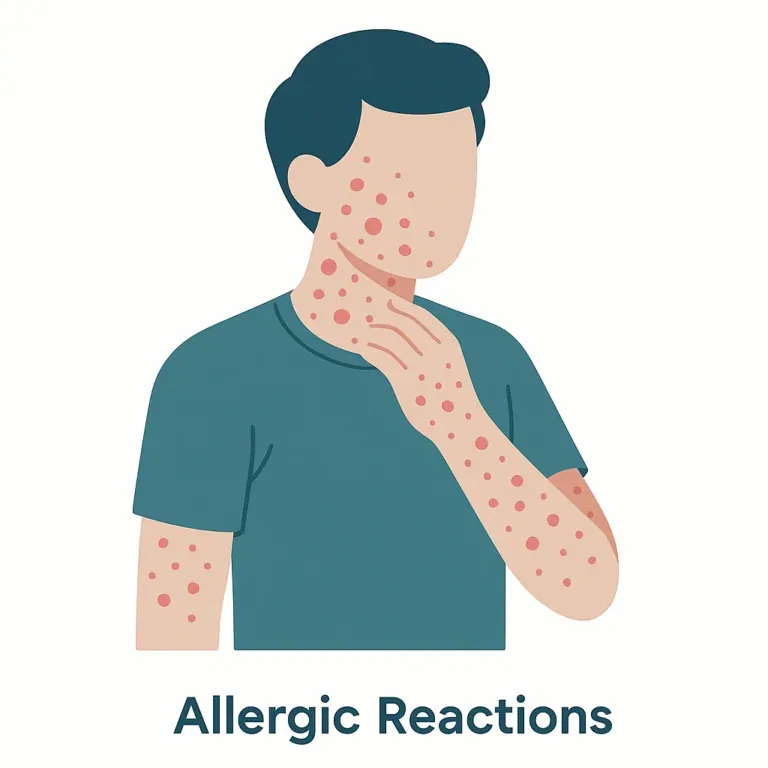
Angioedema is deeper swelling under the skin, often affecting the lips, eyelids, face, tongue, or throat. Learn when it may be part of an allergic emergency.

This section covers medical emergencies and health conditions that may require first aid awareness, such as asthma, seizures, stroke, shock, allergic reactions, and diabetic events. Terms focus on what the condition is and how it is described in emergency or first aid settings.
Angioedema is deeper swelling under the skin, often affecting the lips, eyelids, face, tongue, or throat. Learn when it may be part of an allergic emergency.

Ant stings and bites often cause local pain, redness, swelling, and itch, but some can trigger a severe allergic reaction. Learn the key first aid steps and when to call 000.
Bee and wasp stings usually cause pain, redness, and swelling, but some can trigger a severe allergic reaction. Learn the key first aid steps, when to call 000, and where this fits inside the broader insect-bites-and-stings pathway.
Antihistamines are medicines used to reduce allergy symptoms such as itching, sneezing, watery eyes, and hives. Learn what they can and cannot do in first aid.
Pollen allergy is an allergic reaction to pollen from grasses, trees, or weeds. Learn common symptoms, how it can affect breathing, and when the emergency allergy pathway may matter.
Urticaria is the medical word for hives. Learn what the term means, what can trigger it, and when an adrenaline auto-injector may become relevant.
Hives are an itchy, raised skin rash that can happen with allergies or other triggers. Learn what they look like, how they relate to angioedema, and when an adrenaline auto-injector may become relevant.
An allergen is a substance that triggers an allergic reaction. Learn common examples, why the term matters, and how it fits into first aid.
A food allergy is an immune-system reaction to a food allergen. Learn common symptoms, how it differs from intolerance, and when a prescribed adrenaline auto-injector may be needed.
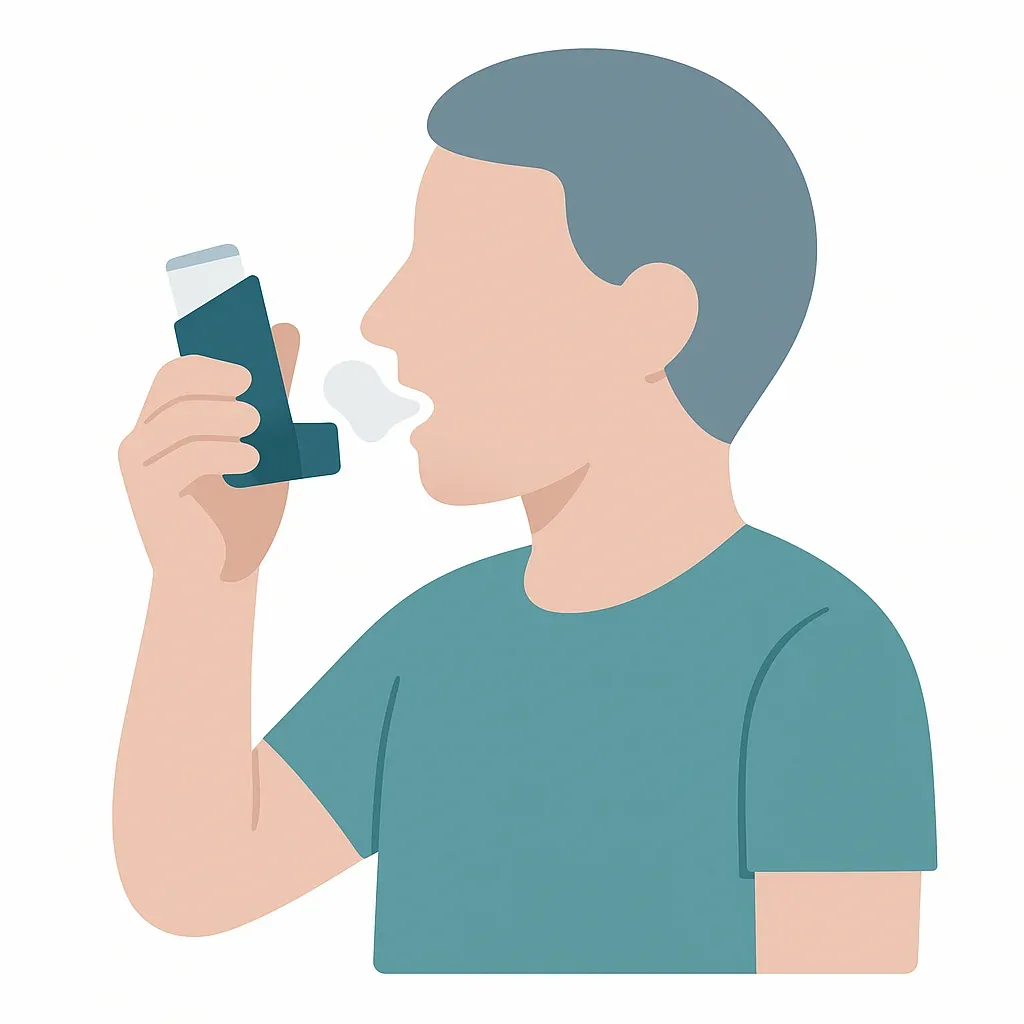
Peak flow is a measure of how fast air can be blown out of the lungs. Learn what it means, how it relates to asthma, and when it can be useful.