
- What Does a Poisons Information Centre Do?
- Why Is a Poisons Information Centre Important?
- What Happens in an Emergency Involving Poisons?
- How to Use a Poisons Information Centre in Australia
- General Safety Around Poisons
- When Should You Call Emergency Services?
- What Should You Do While Waiting for Help?
- Summary
- Sources reviewed
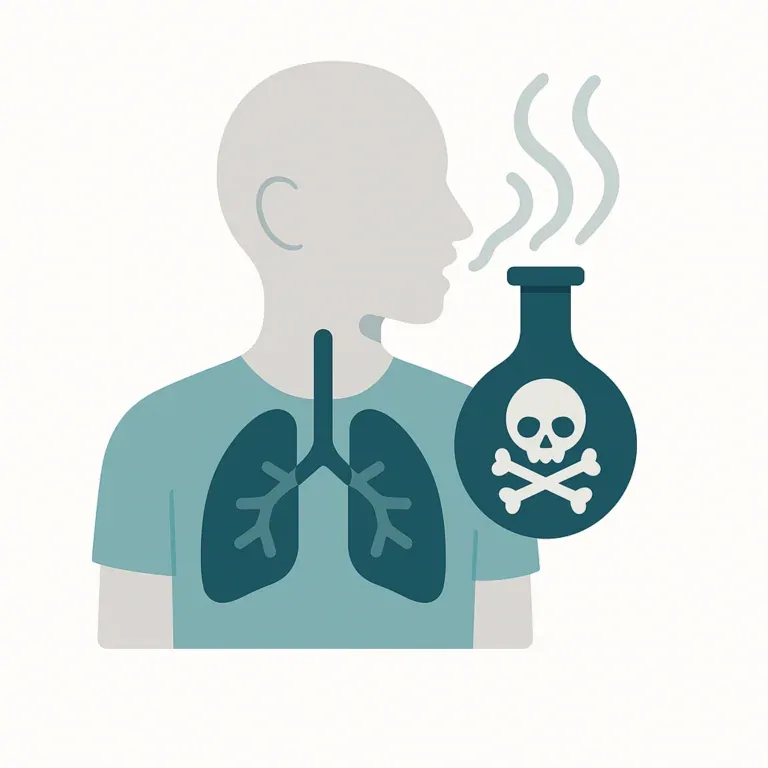
A Poisons Information Centre is a special place people can call when they need help with something to do with poisons. In first aid, a poison means anything harmful that someone might swallow, breathe in, touch, or get in their eyes. These can be things like chemicals, medicines taken the wrong way, or even some plants and animals. The Poisons Information Centre is there to give clear advice quickly, so people can stay safe or help someone who might be in danger.
What Does a Poisons Information Centre Do?
The Poison Information Centre helps answer questions about poisons. If someone thinks a person has swallowed or touched something harmful, they can call the Centre to find out what to do. The people who work there know a lot about poisons and how they affect the body. They can tell you if the poison is serious and if the person needs to see a doctor or go to the hospital. They also guide first aid steps to keep the person safe while waiting for further help.
Why Is a Poisons Information Centre Important?
Not all poisons cause the same problems, so it may be hard to know what to do. Some poisons are dangerous right away, and others might only cause problems later. The Centre helps by giving the right advice for each situation. This can help stop the poison from hurting the person more. Calling the Poisons Information Centre quickly can save lives and help prevent serious injuries. It also stops people from trying treatments that might be unsafe.
What Happens in an Emergency Involving Poisons?
If someone swallows or touches something harmful, they might show different signs. These include feeling sick or dizzy, having trouble breathing, hurting in their stomach, coughing a lot, or having skin redness or burns. Sometimes, the person may pass out, be confused, or have seizures. These signs mean you should get help quickly.
At times like this, calling the Poisons Information Centre is important. They will ask questions about what the person took, how much, and when. This helps them work out how bad the poisoning might be and what to do next.
How to Use a Poisons Information Centre in Australia
In Australia, the Poisons Information Centre can be called 24 hours a day. The number is 13 11 26. Anyone can call this number if they think they or someone else has been poisoned. It is a free call from landlines and mobile phones. When you call, stay calm and speak clearly.
You will be asked to give information like the type of poison, the person’s age and weight, and what symptoms you see. Even if you are not sure about the poison, the people at the Centre can help. They give advice on whether the person needs to go to a hospital or if you can treat them safely at home.
General Safety Around Poisons
Many everyday things in the home can be poisonous. Cleaning products, medicines, plants, and some animals can all cause poisoning. It is important to keep these things out of reach of children and pets. Store medicines and chemicals in their original containers with labels on them. Never mix chemicals together, and never give medicine meant for one person to another person.
Read labels on products carefully to find out if they are harmful. Follow instructions for use and storage to stay safe. If you have any questions about a product, the Poisons Information Centre can also help you understand the risks.
When Should You Call Emergency Services?
If someone has been poisoned and shows serious signs, call 000 right away. Serious signs include not breathing, losing consciousness, seizures, or severe pain or burns. If you cannot reach the Poisons Information Centre or are worried the situation is dangerous, call emergency services immediately.
Emergency responders can get to the person fast and give medical help on the way to the hospital if needed. Always call 000 in emergencies where life might be in danger.
What Should You Do While Waiting for Help?
If someone has been poisoned, keep them calm and still if you can. Do not try to make them vomit unless a health expert tells you to. This can sometimes hurt more than help. If they are awake and able, try to get details about what was swallowed or touched. This information will be very useful for the Poisons Information Centre or emergency staff.
If the person feels sick or dizzy, help them lie down on their side in case they vomit. Make sure the airway is clear and that they can breathe easily. Keep an eye on the person’s condition and be ready to call for more help if they get worse.
Summary
The Poisons Information Centre is a very helpful service in Australia for anyone who needs advice on poisons. It provides quick, expert information for first aid and emergency situations. Knowing about the Centre and when to call can make a big difference in keeping people safe. Always take poisoning seriously, but remember help is available any time by calling 13 11 26. In very serious cases, call 000 immediately.
By keeping poisons out of reach, reading labels, and seeking advice when needed, we can all help keep ourselves and others safe from harm. The Poisons Information Centre is there to support us every step of the way when accidents happen.
Sources reviewed
- NSW Poisons Information Centre: poisons first aid
- NSW Poisons Information Centre: 13 11 26 service information
- Triple Zero: official emergency calling guidance
Reviewed against Australian poisons, first aid and emergency guidance by the First Aid Glossary Editorial Team. This article is general information and does not replace directions from the Poisons Information Centre, emergency operators, professional medical advice or hands-on first aid training.