
Fainting is a brief loss of consciousness caused by a temporary drop in blood flow to the brain. Many people wake again quickly, but fainting should still be taken seriously because it can sometimes point to a more serious problem.
What does fainting mean?
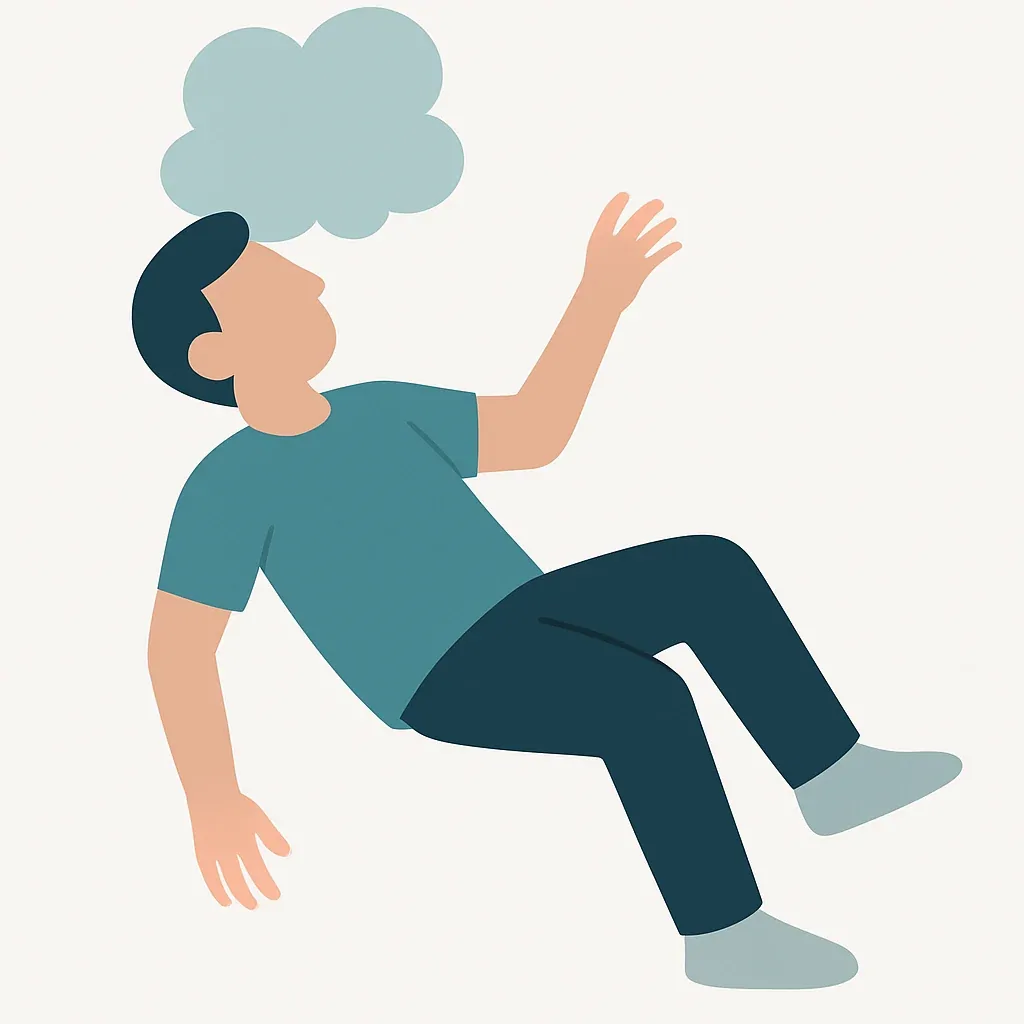
Fainting happens when a person suddenly becomes limp or collapses and is briefly unresponsive. You may also hear it called passing out or syncope.
Some people feel warning signs before they faint, while others drop suddenly with little warning.
Common warning signs before fainting
Warning signs can include:
- feeling Dizzy or lightheaded
- nausea
- sweating
- pale skin
- blurred vision
- ringing in the ears
- weakness
What can trigger fainting?
Common triggers include:
- standing for a long time
- pain or emotional stress
- dehydration
- hot weather
- getting up too quickly
- Hypoglycaemia or not eating enough
- Heat Exhaustion
Sometimes fainting can also happen with a more serious problem such as a heart issue, major bleeding, or another medical emergency.
What should you do in first aid?
- Help the person lie flat safely if you can.
- Loosen tight clothing and keep the area calm.
- If they wake quickly, let them rest before standing again.
- If they are breathing but not fully alert, place them in the Recovery Position.
- If they are Unresponsive and not breathing normally, call
000and start CPR.
When is fainting an emergency?
Call 000 if:
- the person does not wake quickly
- they are not breathing normally
- they hit their head
- they have chest pain
- they faint during exercise
- they are pregnant
- they have repeated fainting episodes
- the fainting happens with one-sided weakness, slurred speech, or a seizure
Is fainting the same as dizziness?
Not exactly. Dizziness is a broad symptom. Fainting is an actual brief loss of consciousness.
Some people feel dizzy before they faint, but dizziness does not always lead to fainting.
Quick answer
Fainting is a brief loss of consciousness caused by a temporary drop in blood flow to the brain. Help the person lie flat, watch their breathing, and get urgent help if they do not recover quickly or have other red-flag symptoms.
Sources reviewed
Reviewed against Australian first aid and emergency guidance by the First Aid Glossary Editorial Team. This article is general information and does not replace emergency-operator directions, professional medical advice or hands-on first aid training.