

- First aid for kids definition
- The first rule: stay safe before helping
- What young children can learn
- Teaching children how to call Triple Zero (000)
- Useful skills for school-age children
- What children should do if someone is unresponsive
- Teaching through everyday practice
- Special situations to explain clearly
- Preparing adults and carers
- When to get urgent help
- Related glossary terms
- Sources reviewed
First aid for kids definition
First aid for kids means teaching children safe, age-appropriate ways to recognise an emergency, get help and stay calm until an adult or emergency service takes over. It is not about expecting a child to become a paramedic. The most useful skills are often simple: spot danger, do not put yourself at risk, get a trusted adult, call Triple Zero (000) when necessary and explain where you are.
Children are often nearby when ordinary accidents happen. A child who knows to get an adult promptly, rather than hiding an injury or experimenting with a wound, can make a real difference. Short, practical lessons also help children feel less frightened by first aid kits, emergency calls and basic safety rules.
The first rule: stay safe before helping
The most important message for children is that they should not rush into danger to help someone. If there is traffic, water, fire, electricity, a fight, broken glass, chemicals, machinery, an aggressive animal or an unsafe building, their job is to move to safety and find an adult.
Explain that a helper who gets hurt creates another emergency. Children should not enter roads, climb over fences, touch downed powerlines, handle sharp objects or move a person who may have a serious injury. They can help by calling out for an adult, bringing a phone if it is safe and keeping other children away from the danger.
Practise this with simple examples. Ask, “What would you do if you saw someone fall near a busy road?” The useful answer is not “I would pick them up.” It is “I would stay back, get an adult and call for help.” Rehearsal makes the safe response easier to remember when a child is upset.
What young children can learn
Young children can learn their full name, address and who their trusted adults are. If an exact street address is difficult, teach landmarks as well: the house number, apartment building, school name or a nearby shop. These details help when a child needs to tell an adult where something happened.
They can also learn where the first aid kit is kept and that it is for an adult to use. Show them what gloves and dressings look like, but make it clear that medicines, scissors, tweezers and other kit items are not toys. A child who has seen a kit before is less likely to panic when asked to fetch it.
For minor problems, children can learn to tell an adult straight away. A cut, burn, bite, head bump, swallowed object, breathing problem or feeling suddenly unwell should never be a secret. Praise children for speaking up, even when an injury happened during something they were not meant to be doing.
Teaching children how to call Triple Zero (000)
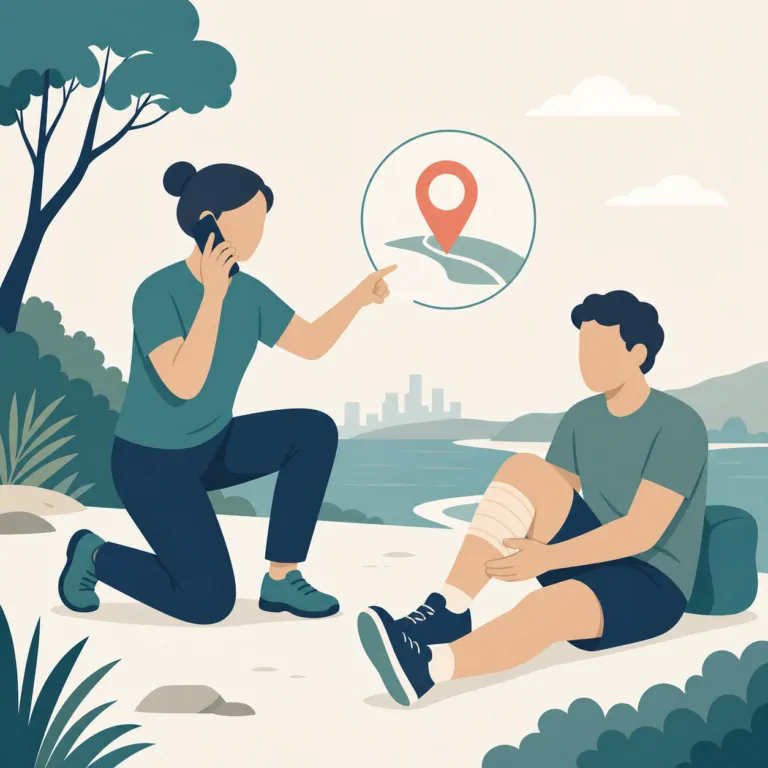
In Australia, Triple Zero (000) is for life-threatening or time-critical emergencies. Older children can practise making a pretend emergency call with an adult. Teach them to call from a safe place, say whether they need ambulance, police or fire, and then give their location.
The key points are simple:
- dial 000, not “triple oh” or another number
- say the service needed, such as ambulance
- tell the operator the address or clearest location available
- explain briefly what happened
- stay on the line and answer questions.
Children do not need to memorise medical language. “My dad fell down and is not waking up” is useful information. “My sister is having trouble breathing” is useful information. Encourage them to find an adult when they can, but teach that calling for help is the right action if no adult is available and an emergency is happening.
Make it clear that Triple Zero is not for jokes, curiosity or a minor problem that can wait for a parent. A false call can delay help for someone else. This message works best when it is taught calmly, without frightening a child about making a mistake in a real emergency.
Useful skills for school-age children
School-age children can learn a few supervised, low-risk first aid actions. They can wash a small scrape under running water with an adult, hold a clean cloth on a small bleeding cut, sit with a person who feels faint and bring a kit or phone. They can also learn to place a wrapped cold pack over a minor bump for comfort when an adult directs them.
Teach the limits at the same time. They should not give someone medicine, use an adult’s prescription device, put fingers into another person’s mouth, attempt to remove an object from an eye, treat a serious burn or decide that a head injury is “fine.” If there is any doubt, they should get an adult.
Children can also learn the beginning of the DRSABCD approach as a memory aid: Danger, Response, Send for help. They do not need to carry the whole responsibility for a serious incident, but these first three ideas reinforce the right order: protect yourself, check whether the person responds and get help early.
What children should do if someone is unresponsive
If a child finds someone who is unresponsive, the safest message is: get help immediately. They should call out to see whether an adult is nearby. If it is safe, they should call Triple Zero (000) and put the phone on speaker so the operator can guide them.
Do not tell children to shake someone, pour water on them or put food or drink in their mouth. They should not move an unconscious person unless there is immediate danger, such as fire or traffic. An older child who has had age-appropriate CPR training may be able to follow an emergency operator’s instructions, but it is never a child’s fault if an adult is not available or an emergency is frightening.
After help has been called, a child can stay nearby at a safe distance, unlock a door, show responders where the person is or comfort younger siblings. These are meaningful jobs that do not expose the child to unnecessary risk.
Teaching through everyday practice
First aid lessons work best when they are brief and repeated. Use a first aid kit check, a family safety conversation or a school holiday activity instead of one long lecture. Ask a child to point out the safest way to leave a room in a fire, identify the address on the front gate or practise saying it clearly.
Role play can be useful, but keep it non-scary. A teddy bear with a pretend scrape can help a child learn how to find a dressing and tell an adult. A pretend phone call can help them practise their address. Stop if a child becomes anxious and reassure them that adults are responsible for emergencies.
Children learn from watching adults. If adults stay calm, use a first aid kit carefully, call for help early and explain what they are doing in simple language, children absorb that pattern. Avoid dramatic stories or graphic details; the aim is confidence and safety, not fear.
Special situations to explain clearly
Some situations need a firm rule. Children should never touch needles, discarded sharps, medicines, chemicals, unidentified mushrooms or an injured animal. They should tell an adult immediately and keep others away. They should not approach a snake, spider, dog or sea creature, even if it looks still.
For water, teach children to throw or reach for help rather than jump in after someone unless they have been trained and it is safe. For fires or smoke, get out, stay out and call for help. For a severe allergic reaction, breathing difficulty, major bleeding, chest pain, seizure, serious burn or head injury, get an adult and call emergency services rather than trying a home remedy.
If a child has their own health condition, follow their individual care plan. Help them understand when to tell an adult, where their medication is kept and who knows the plan. Do not assume classmates or siblings can manage another person’s prescribed medication.
Preparing adults and carers
Teaching children first aid works only when adults have prepared the environment. Keep emergency contacts current, make the address visible near a phone and make sure a child can reach a trusted neighbour or relative if needed. Store medicines, sharp tools and chemicals securely.
Parents, carers and teachers should take suitable first aid training themselves, especially training that includes babies and children. Practise the home or school emergency plan and review it after a move, new medical diagnosis, change in care arrangements or a safety incident.
Most importantly, tell children they will not be in trouble for asking for help. A child who reports a mistake promptly gives adults the best chance to respond well.
When to get urgent help
Call Triple Zero (000) for a life-threatening or time-critical emergency, including a person who is unresponsive, not breathing normally, bleeding severely, seriously burned, having a severe allergic reaction or rapidly getting worse. If a child calls, they should stay on the line and follow the operator’s instructions.
For a suspected poisoning in Australia, call the Poisons Information Centre on 13 11 26. If a child has swallowed something, do not make them vomit unless a health professional tells you to do so. Keep the product or packaging if it is safe and seek advice promptly.
Related glossary terms
Sources reviewed
- Healthdirect Australia: first aid advice
- Triple Zero (000): emergency calling information
- ANZCOR: first aid guidelines
Reviewed against Australian first aid and emergency guidance by the First Aid Glossary Editorial Team. This article is general information and does not replace emergency services, professional medical advice or hands-on first aid training.