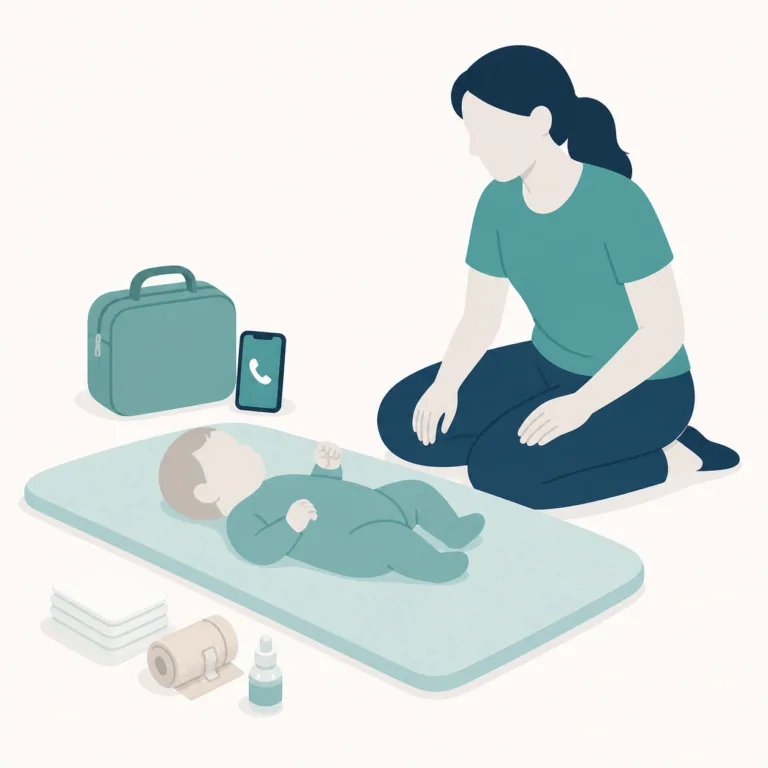


- First aid for sport definition
- Prepare before the whistle
- Start with the scene and the person
- Sprains, strains and soft-tissue injuries
- Head knocks and suspected concussion
- Cuts, grazes and bleeding
- Heat, cold and environmental conditions
- Asthma, allergy and sudden illness
- Incident records and communication
- When to call Triple Zero (000)
- Related glossary terms
- Sources reviewed
First aid for sport definition
First aid for sport is the immediate care and decision-making used when someone is injured or becomes unwell during training, competition or recreation. It includes making the area safe, checking for serious problems, giving basic care within training and deciding whether the person needs emergency help, medical assessment or rest rather than a return to play.
Sport can make an injury look less serious than it is. An athlete may be keen to continue, teammates may be watching and adrenaline can temporarily mask pain. Good first aid puts the person’s safety ahead of the score, schedule or pressure to “tough it out.” The first aider’s job is not to diagnose every injury; it is to recognise red flags, give sensible immediate care and arrange the right follow-up.
Prepare before the whistle
The best sporting first aid begins before anyone is hurt. Know the venue address, access point and nearest gate for ambulance entry. Keep a clearly marked first aid kit, charged phone, emergency contacts, drinking water and a written emergency action plan available. If the venue has an AED, make sure coaches, officials and regular volunteers know where it is.
Assign simple roles. One person calls Triple Zero (000) if needed, another brings the kit and AED, and another meets emergency services. For junior sport, confirm parent or guardian contacts and any individual health plans before play begins. For remote events, check reception, weather, travel time and evacuation options.
The kit should suit the activity. Gloves, dressings, bandages, saline, tape, a thermal blanket and cold packs are useful basics. Do not rely on an oversized kit of unfamiliar equipment. The most useful preparation is trained people who know their limits and a plan that can be followed under pressure.
Start with the scene and the person
When an injury happens, stop play and protect the area. Look for danger from traffic, other players, equipment, water, heat, lightning, uneven ground or a crowd. Do not move a person who may have a serious neck, back or limb injury unless there is immediate danger.
Check whether the person responds and is breathing normally. If they are unresponsive or not breathing normally, call Triple Zero (000), start CPR if trained and send for an AED. For severe, life-threatening bleeding, apply firm direct pressure and call for an ambulance immediately.
If the person is awake, ask what happened, where it hurts and whether they have symptoms such as dizziness, nausea, numbness, weakness, shortness of breath or confusion. Compare both sides of the body when looking at a limb or joint. Reassess as the person rests; a change in symptoms can be more important than the first description.
Sprains, strains and soft-tissue injuries
Sprains and strains are common in sport, but not every painful ankle, knee or shoulder is minor. Stop the activity and support the injured area in a comfortable position. A cloth-wrapped cold pack can offer short-term comfort. Do not put ice directly on skin and do not use cold treatment to decide that an athlete is ready to resume play.
Seek medical assessment when there is severe pain, inability to bear weight or use the limb, obvious deformity, major swelling, numbness, colour change, a joint that feels unstable or a mechanism that suggests a fracture or dislocation. Do not force a joint back into place or ask the person to “test it” by running.
For a milder injury, protect the area, avoid painful movement and arrange follow-up if pain or swelling does not settle. A responsible return-to-play decision should consider function, pain, medical advice and the likelihood of further injury—not just whether the athlete wants to continue.
Head knocks and suspected concussion
Any head impact deserves attention. Remove the player from activity if they have headache, dizziness, confusion, nausea, vomiting, balance problems, vision changes, unusual behaviour, memory difficulty, loss of consciousness or a report that they do not feel right. Symptoms can appear later, so a person who seems briefly well still needs careful observation and appropriate medical advice.
Do not allow a person with suspected concussion to return to play that day. Do not send them home alone, let them drive, give them alcohol or tell them to simply sleep it off without a responsible adult and medical guidance. Record what happened and tell a parent, guardian or responsible adult where relevant.
Call Triple Zero (000) for loss of consciousness, repeated vomiting, a seizure, worsening headache, increasing confusion, unequal pupils, weakness, severe neck pain, deterioration or another serious concern. Keep the person still and comfortable; do not move them unnecessarily if there may be a spinal injury.
Cuts, grazes and bleeding
Use gloves when there may be contact with blood or body fluids. For a minor cut or graze, apply direct pressure with a clean dressing, rinse dirt away with clean water when bleeding is controlled and cover the wound. Keep blood-contaminated items away from other people and clean the area according to the club or venue process.
Severe bleeding is different. Apply firm direct pressure, call Triple Zero (000) and keep pressure on. If trained and equipped, follow current first aid guidance for more specialised bleeding-control equipment. Do not repeatedly lift a dressing to check the wound; add another layer over the first if necessary.
An athlete with an open wound should not return to play until the wound is covered securely and the risk of exposing others to blood has been managed. Dispose of gloves and dressings safely, then wash hands.
Heat, cold and environmental conditions
Hot weather can cause dehydration, heat exhaustion and heatstroke. Encourage regular water breaks, shade, suitable clothing and gradual acclimatisation. Watch for headache, dizziness, nausea, cramps, weakness, confusion, collapse or a person who does not improve with cooling and rest. Heatstroke is life-threatening: call Triple Zero (000), move the person to a cool area and begin active cooling while following emergency advice.
Cold, wind and wet clothing can also create problems. Provide dry layers, shelter and a thermal blanket when appropriate. Avoid abrupt warming methods for someone who may be significantly cold, and seek medical help for confusion, shivering that stops, severe drowsiness or worsening condition.
Check weather warnings before outdoor sport. Stop or postpone activity for lightning, extreme heat, poor air quality or unsafe ground. Prevention is part of first aid because it prevents an avoidable emergency.
Asthma, allergy and sudden illness
Know whether athletes have an individual asthma or allergy plan and where their prescribed medication is kept. Follow the person’s plan and get help early if breathing difficulty, wheeze, swelling, hives, persistent cough, collapse or another severe symptom appears.
For suspected anaphylaxis, follow the emergency action plan, use the person’s adrenaline auto-injector when indicated and call Triple Zero (000). Do not delay an emergency call while searching for a perfect explanation of the symptoms. Keep the person under observation and follow the operator’s directions.
Chest pain, severe breathlessness, fainting, unusual palpitations, sudden weakness or confusion also need a cautious response. Stop activity, keep the person comfortable and seek emergency advice where symptoms are concerning or do not settle quickly.
Incident records and communication
After immediate care, record the facts: what happened, time, location, symptoms observed, care given, who was notified and whether emergency services attended. For a child, make sure the parent or guardian receives a clear handover. Avoid diagnosing or blaming in an incident report.
The record can reveal practical improvements. Perhaps an access gate was locked, the first aid kit was missing gloves, heat breaks were too far apart or coaches need clearer concussion procedures. Use that information to improve the event plan rather than treating paperwork as an afterthought.
When to call Triple Zero (000)
Call Triple Zero (000) for an unresponsive person, someone not breathing normally, severe bleeding, a major injury, suspected spinal injury with serious symptoms, serious head injury, heatstroke, chest pain with concerning symptoms, severe allergic reaction or a rapidly worsening condition. Give the venue name, exact location and best entry point, then stay on the line.
The safest sporting culture makes room for early help and recovery. No game or training session is worth delaying care for a serious injury.
Related glossary terms
Sources reviewed
- Healthdirect Australia: first aid advice
- ANZCOR: first aid guidelines
- Sport Australia: concussion guidance
- Triple Zero (000): emergency calling information
Reviewed against Australian first aid and emergency guidance by the First Aid Glossary Editorial Team. This article is general information and does not replace emergency services, professional medical advice or hands-on first aid training.