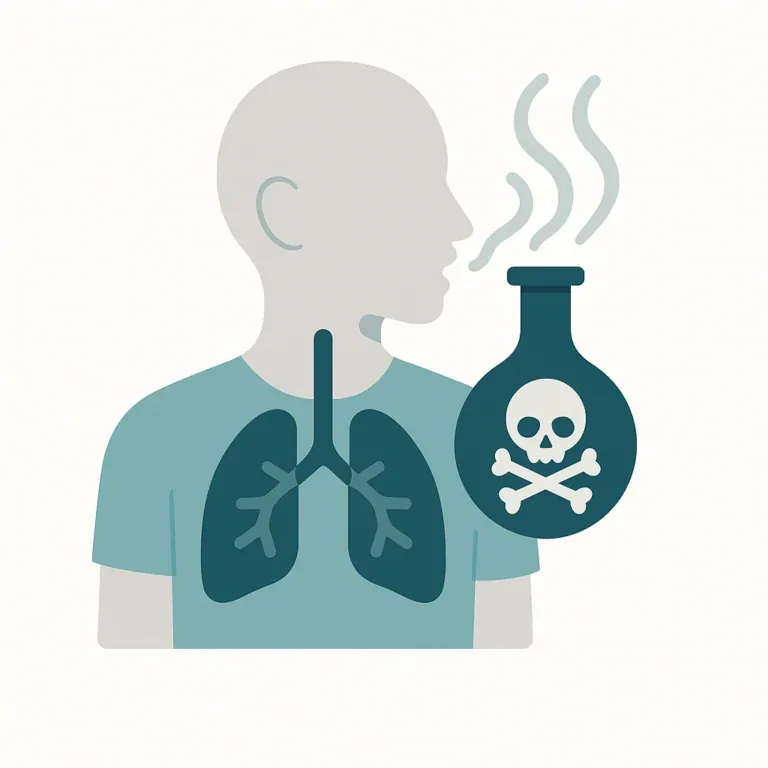
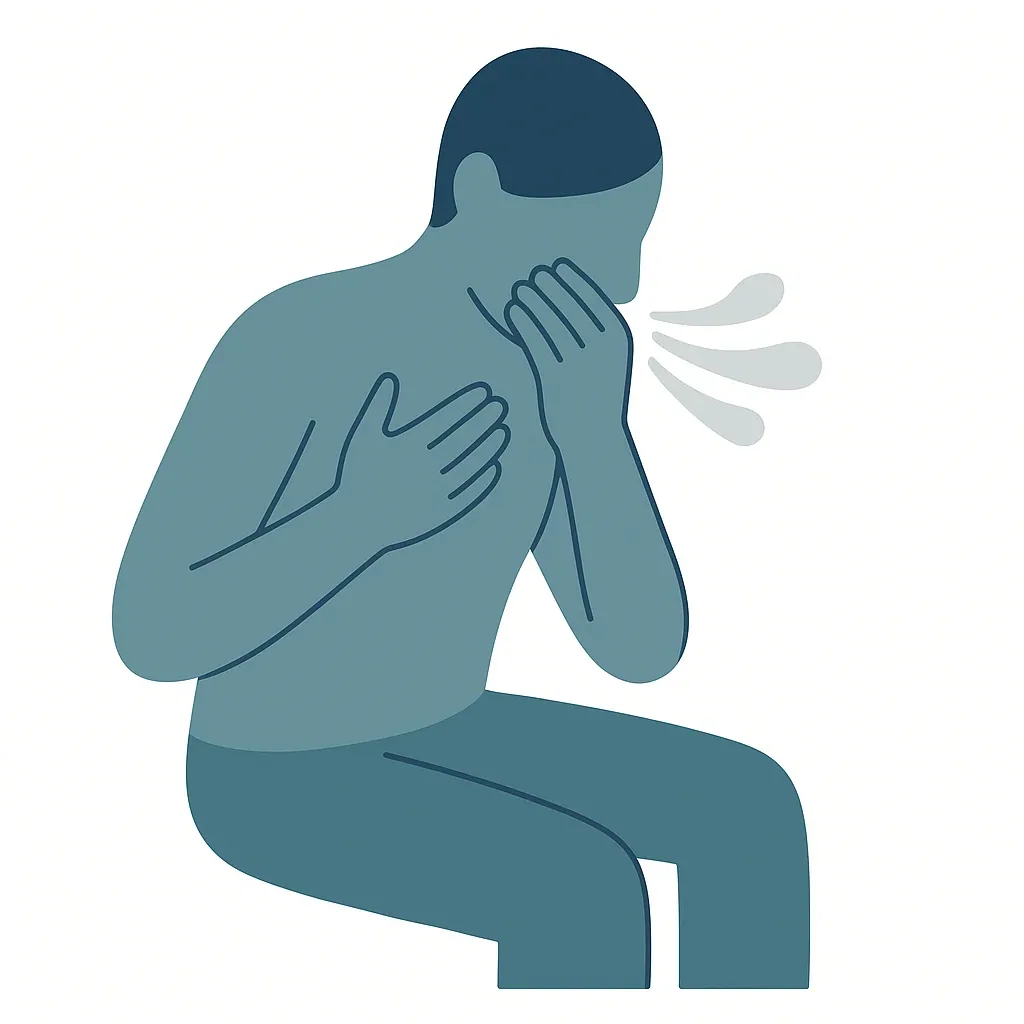

Hyperventilation means breathing faster or deeper than the body needs. It often happens during fear, panic, stress, or pain, and it can make a person feel worse very quickly even when they are still getting air in and out.
What does hyperventilation mean?
When someone hyperventilates, they breathe off too much carbon dioxide. That can lead to symptoms such as:
- feeling Dizzy
- tingling in the hands, feet, or around the mouth
- tightness in the chest
- feeling shaky
- feeling frightened
Hyperventilation can feel severe, but it is not the same thing as choking or an asthma-attack/" class="fag-auto-link">asthma attack.
What can trigger hyperventilation?
Common triggers include:
- panic or acute stress
- pain
- fear
- emotional distress
- overexertion
Sometimes fast breathing can also happen because of a medical emergency, so it is important not to assume anxiety is always the cause.
What should you do in first aid?
- Stay calm and speak clearly.
- Move the person to a quiet, safe place if possible.
- Encourage slow, steady breathing.
- Reassure them and stay with them while symptoms settle.
- Do not tell them to breathe into a paper bag.
When should you call 000?
Call 000 if:
- the person is not improving quickly
- they have chest pain
- they look blue or very pale
- they are struggling to speak
- you think it may be an Asthma Attack, Choking, or another serious breathing problem
- they become Unresponsive
If they are unresponsive and not breathing normally, start CPR.
Is hyperventilation the same as an asthma attack?
No. Hyperventilation is fast or deep breathing, often linked with panic or stress. An Asthma Attack happens because the airways narrow and breathing becomes harder.
If you are not sure which one it is, treat it cautiously and get urgent help if breathing looks difficult or unsafe.
Quick answer
Hyperventilation means breathing faster or deeper than the body needs, often during panic, stress, or pain. Help the person slow their breathing, stay calm, and call 000 if the episode is not settling or if you think it may be another breathing emergency.
Sources reviewed
Reviewed against current Australian respiratory, first aid and emergency guidance by the First Aid Glossary Editorial Team. This article is general information and does not replace emergency-operator directions, professional medical advice or hands-on first aid training.