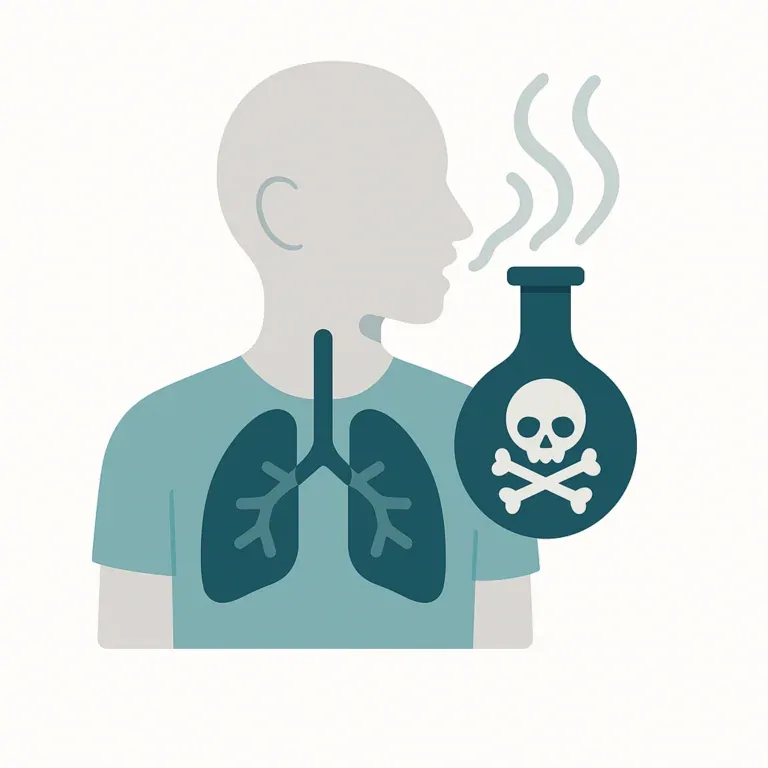
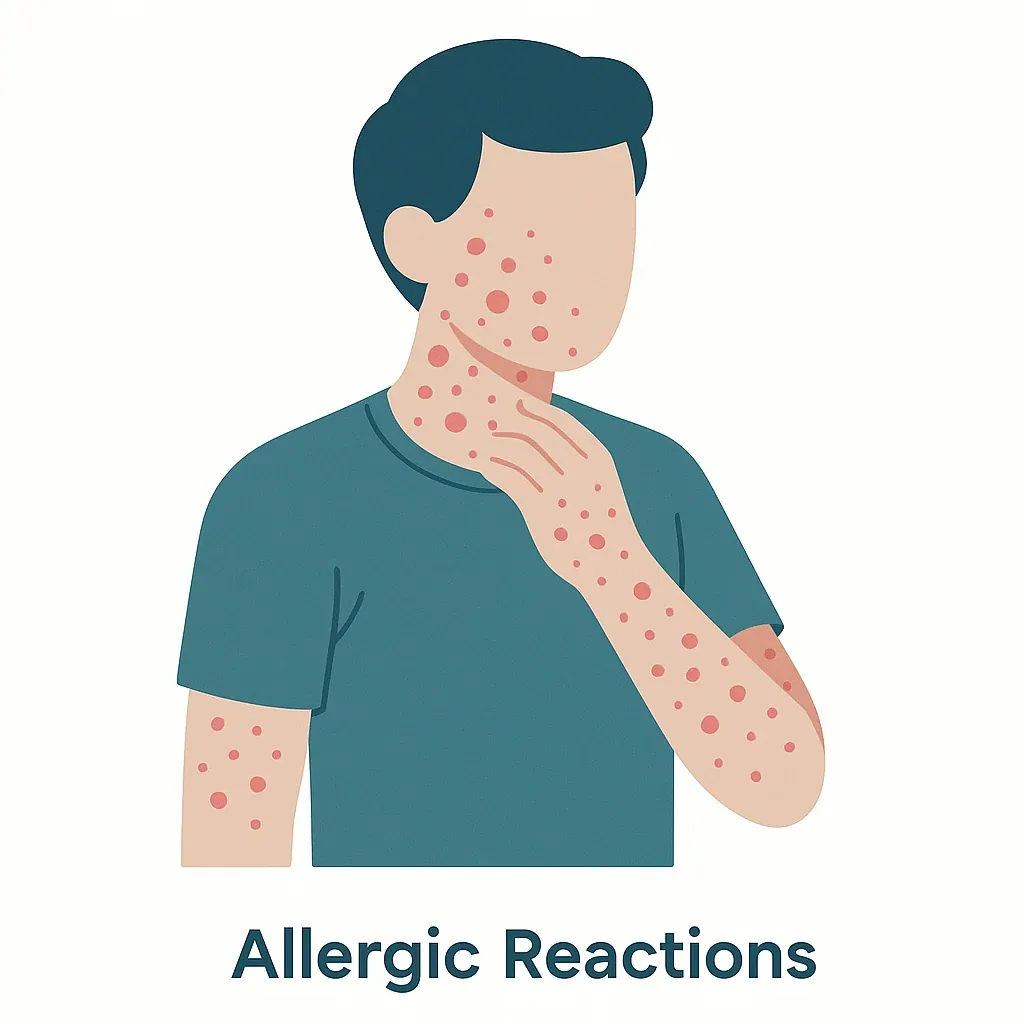

Pollen allergy happens when the immune system reacts to pollen from grasses, trees, or weeds. It often causes sneezing, a runny nose, itchy eyes, and congestion. In first aid, pollen allergy is usually uncomfortable rather than life-threatening, but it can still make breathing problems or asthma symptoms worse in some people.
What is a pollen allergy?
A pollen allergy is an allergic reaction to tiny pollen particles in the air. Pollen is a type of Allergen.
Common pollen triggers include:
- grasses
- trees
- weeds
Symptoms often happen seasonally, but the timing depends on the type of pollen and where the person lives.
What symptoms can pollen allergy cause?
Pollen allergy commonly affects the nose, eyes, and airways.
Symptoms can include:
- sneezing
- a runny or blocked nose
- itchy nose or throat
- itchy, watery eyes
- coughing
- Wheezing in some people
For many people, this is similar to hay fever.
Can pollen allergy affect breathing?
Yes. Pollen allergy can make asthma symptoms worse in some people and may contribute to breathing difficulty or wheeze.
If someone with pollen allergy is becoming very short of breath, is wheezing badly, or seems to be having an Asthma Attack, treat that as the main first aid problem.
What helps with pollen allergy?
People often manage pollen allergy by:
- reducing exposure when pollen levels are high
- showering or changing clothes after being outdoors
- keeping windows closed during heavy pollen periods
- using doctor- or pharmacist-recommended Antihistamines
When should you get urgent help?
Pollen allergy is usually not the same as Anaphylaxis, but urgent help is needed if the person:
- has severe breathing trouble
- becomes dizzy or collapses
- becomes Unresponsive
If the reaction seems to be becoming a severe allergic emergency rather than ordinary pollen allergy, follow the Anaphylaxis pathway and help with a prescribed Adrenaline Auto-Injector if one is available. The medicine inside is Epinephrine, also called adrenaline.
If breathing is not normal, follow the emergency pathway and start CPR if needed.
How is this page different from other allergy pages?
This page focuses on pollen as the trigger.
- Allergic Reaction explains the broader meaning of an allergy reaction
- Allergen explains the trigger term itself
- Antihistamines explains one common treatment option
- Adrenaline Auto-Injector explains the emergency device pathway if the situation becomes a severe allergic reaction
Summary
Pollen allergy is an allergic reaction to pollen from grasses, trees, or weeds. It often causes sneezing, a runny nose, itchy eyes, and congestion, and it can sometimes worsen wheezing or asthma symptoms. In first aid, the key steps are reducing exposure, supporting breathing symptoms if they worsen, and knowing when the problem is becoming more serious.
Sources reviewed
Reviewed against current Australian allergy, first aid and emergency guidance by the First Aid Glossary Editorial Team. This article is general information and does not replace a person’s current ASCIA Action Plan, device instructions, emergency-operator directions, professional medical advice or hands-on first aid training.