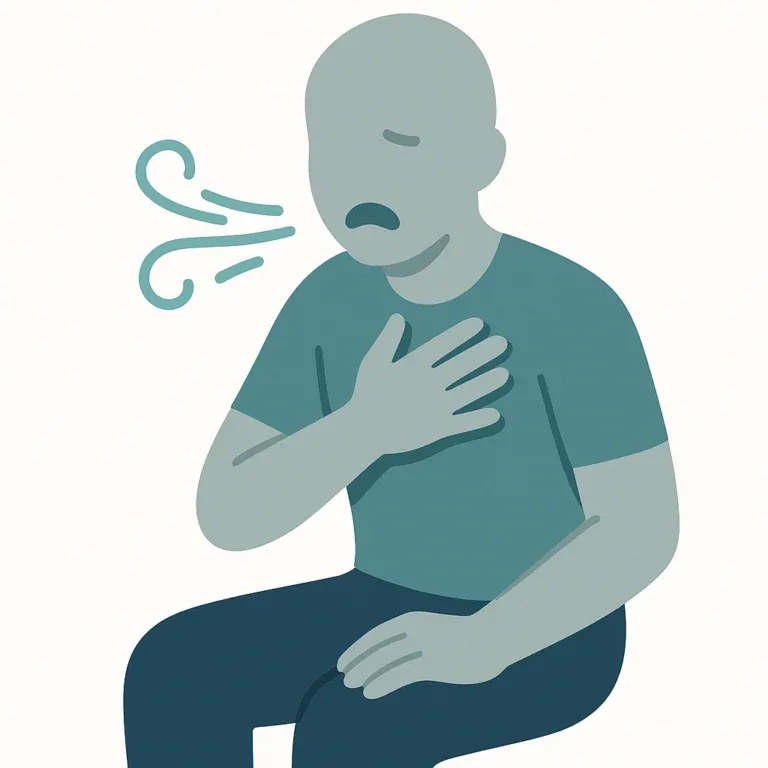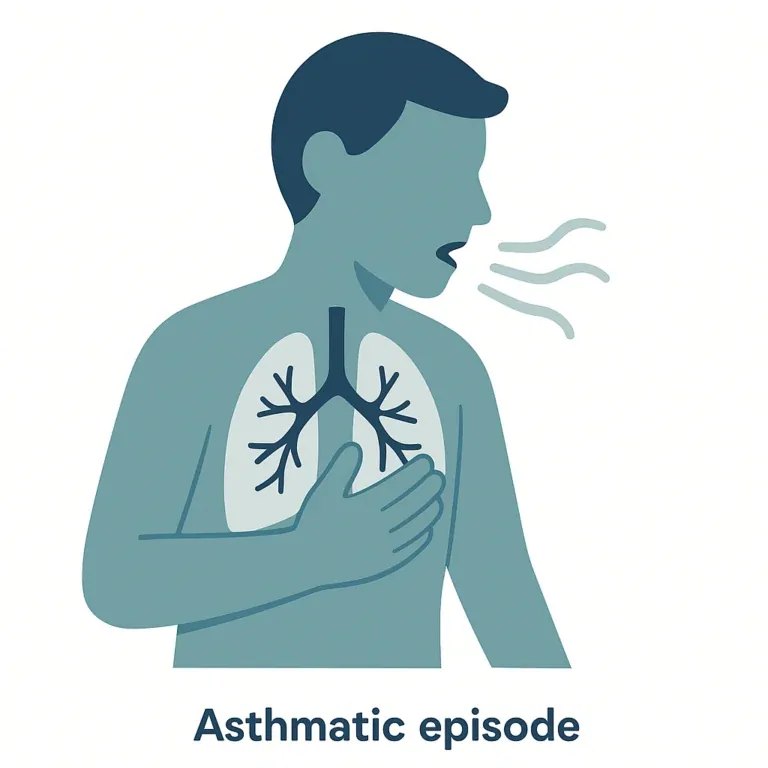


Airway means the path air takes into and out of the lungs. In first aid, the word matters because a person cannot breathe properly if that path is blocked or partly closed.
What does airway mean?
The airway includes the mouth, nose, throat, and windpipe.
It is the route air follows to reach the lungs.
If the airway is blocked, oxygen cannot move in properly and breathing may become noisy, weak, or absent.
Why does the airway matter in first aid?
The airway is one of the first things to think about in an emergency.
It matters when a person:
- is Unresponsive
- is choking
- is vomiting or has fluid in the mouth
- is not breathing normally
- may need CPR
That is why airway checks sit inside broader first aid frameworks such as Airway Management and the Primary Survey.
What can block the airway?
Common causes include:
- food or another object in the throat
- the tongue falling back in an unconscious person
- vomit, blood, or swelling
- trauma affecting the face, mouth, or neck
A partly blocked airway may cause noisy breathing. A fully blocked airway is an emergency.
What should a first aider do about the airway?
The exact response depends on the situation.
Useful practical pages on this site include:
- Airway Management for the broader overview
- Head-Tilt Chin-Lift for the standard airway-opening manoeuvre
- Jaw Thrust when neck injury is a concern
- Choking for a blocked airway from food or another object
- Recovery Position for an unresponsive person who is breathing normally
If the person is unresponsive and not breathing normally, start CPR and call 000.
Quick answer
Airway means the path air takes into and out of the lungs. In first aid, it matters because blocked or poorly opened airways stop normal breathing and connect directly to pages such as Airway Management, Head-Tilt Chin-Lift, Jaw Thrust, and CPR.
Sources reviewed
- Healthdirect: first aid basics and DRSABCD
- Healthdirect: how to perform CPR
- ANZCOR Guideline 4: Airway
- ANZCOR Guideline 5: Breathing
Reviewed against Australian first aid and emergency guidance by the First Aid Glossary Editorial Team. This article is general information and does not replace emergency-operator directions, professional medical advice or hands-on first aid training.