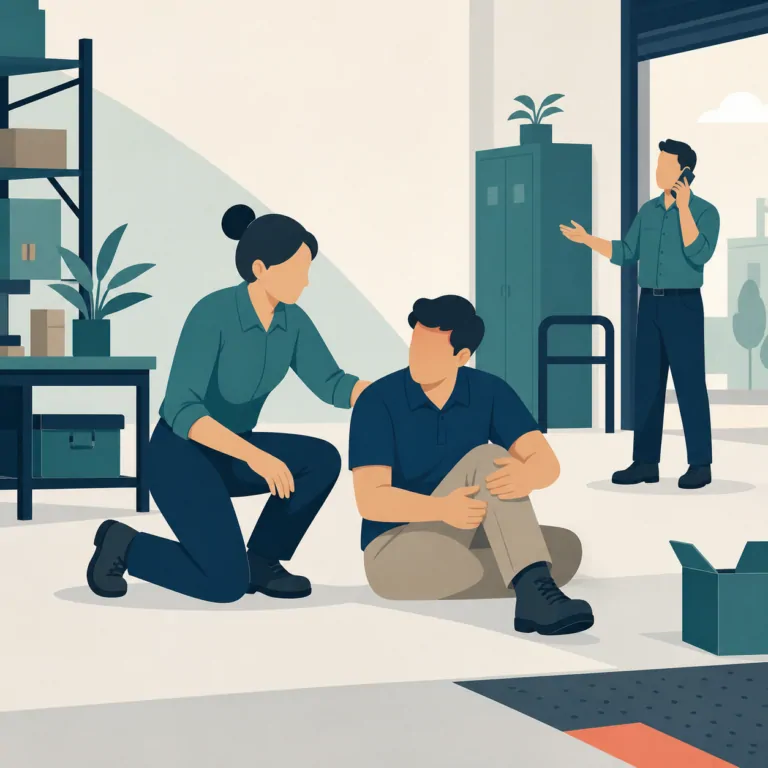


Negligence is a word that means someone did not take care or did not do what they should have to keep others safe. In first aid, negligence happens when a person who is supposed to help does not act properly or carefully in an emergency. This can make a situation worse instead of better. Understanding negligence helps people know why it is very important to act carefully and responsibly when someone needs help.
Negligence means failing to do something that a reasonable person would do to keep others safe. For example, if a person sees someone hurt and ignores them or makes a mistake while helping, that could be negligence. In first aid, someone who is trying to help has a responsibility to do their best to keep the injured person safe and comfortable.
Why it matters in first aid
When someone is hurt or sick, first aid is the first help given before emergency services arrive. It is important to give the right care quickly and carefully. Negligence can cause harm if someone gives the wrong care or does not try to help at all. This is why it is important to learn basic first aid and to stay calm when helping others.
When to call 000
In first aid, many things can show that negligence might be happening. If a person ignores the injured person, does not check if they are breathing, or moves them in a way that causes more pain, this could be negligence. Even simple things like not calling emergency services when needed can be seen as negligence if it delays the right help.
Safety and prevention
Negligence is a serious issue because it can make injuries worse or cause new problems. The body needs the right care to heal and stay safe. First aid is about protecting the person and making sure they do not get hurt more by what helpers do. When someone acts with care and attention, it helps the injured person get better and stay comfortable.
Everyone who helps with first aid should always think about safety. This means checking the area first to make sure it is safe for both the injured person and the helper. If the place is dangerous, like near traffic or fire, it is best to wait for trained emergency workers or call 000 for help. Safety is very important to avoid more people getting hurt.
Sometimes, people worry about getting into trouble if they help others. In Australia, there is a good rule called the “Good Samaritan” law. This law protects people who try to help in an emergency as long as their help is careful and reasonable. This means you should not be scared to help if someone is hurt, but you should do your best to be calm and careful.
Calling emergency services by dialing 000 is a very important step in many emergencies. If someone is very hurt, not breathing, or unconscious, you should always call 000 for an ambulance. Emergency workers have lots of training and equipment to help in serious situations. Getting them involved quickly can save lives.
Negligence can happen in many ways in first aid. Sometimes it is because a person does not understand what to do. Sometimes it is because they are scared or do not know when to call for help. This is why simple knowledge about first aid and when to call 000 can protect people from harm.
If you are ever unsure about what to do, it is safest to call 000 and ask for help. The emergency operator can give advice on what to do next. Remember, even if you are not an expert, just trying to help with care is better than doing nothing at all.
Summary
In summary, negligence in first aid means not being careful or not doing what you should to help someone who is hurt or sick. It can make the person’s condition worse. Knowing how to act safely, checking the situation, and calling emergency numbers when needed are very important. Always try to help with kindness and care. This way, you can make a positive difference in the emergency.
Helping others in an emergency is important. Being calm, safe, and calling for professional help when you need it can save lives. Understanding negligence helps people see why we must take first aid seriously and always do our best to protect and care for others.
Sources reviewed
Reviewed against current Australian first aid, emergency and public-health guidance by the First Aid Glossary Editorial Team. This article is general information and does not replace emergency-operator directions, professional medical advice or hands-on first aid training.