Pulse Check
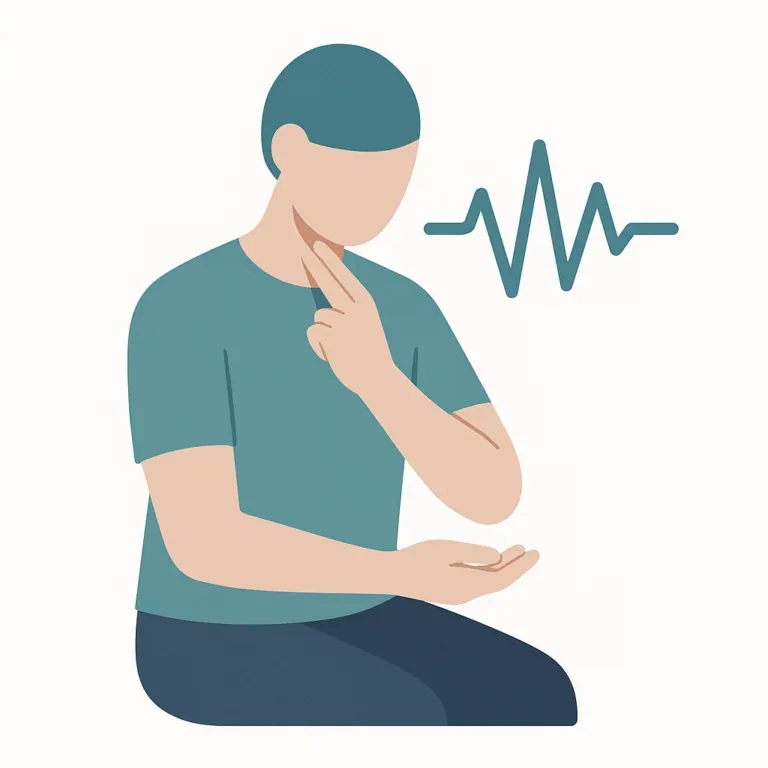
Checking a pulse means feeling for a heartbeat to learn about circulation. Learn what it can tell you in first aid and when not to let it delay urgent action.

Checking a pulse means feeling for a heartbeat to learn about circulation. Learn what it can tell you in first aid and when not to let it delay urgent action.
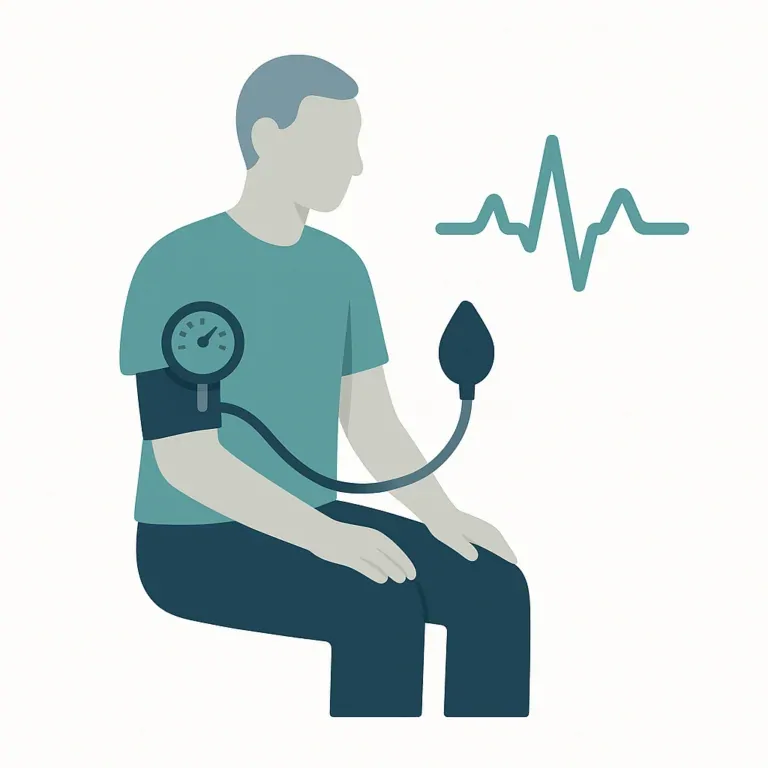
Vital signs are basic signs that show how well a person's body is working, such as breathing, pulse, alertness, and skin changes. Learn what to watch for.
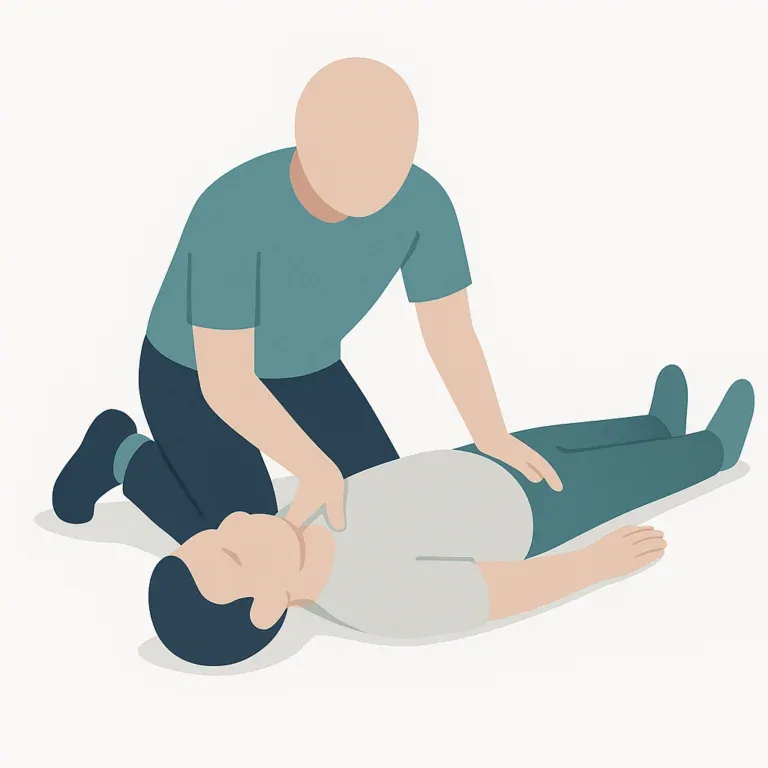
Unresponsive means a person does not react and needs urgent first aid assessment. Learn what to check first, when to use recovery position, and when CPR is needed.
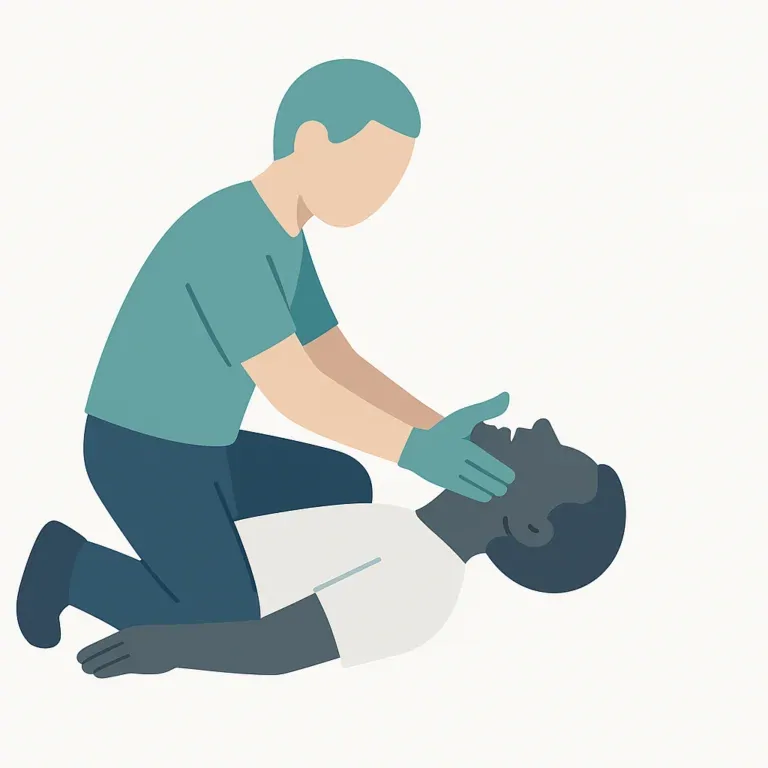
Chin lift means lifting the chin to help open the airway. Learn what the term means and when to use the main practical first aid pages instead.

Head-tilt chin-lift is the standard first aid manoeuvre for opening the airway in an unresponsive person. Learn when to use it and when jaw thrust may be safer.

Jaw thrust is an airway-opening manoeuvre used when neck injury is a concern. Learn what jaw thrust means and how it differs from head-tilt chin-lift in first aid.

Aspiration happens when food or liquid accidentally enters the lungs instead of the stomach, which can cause coughing, choking, or even serious lung infections. Understanding aspiration and how to respond quickly is key to keeping yourself and others safe.
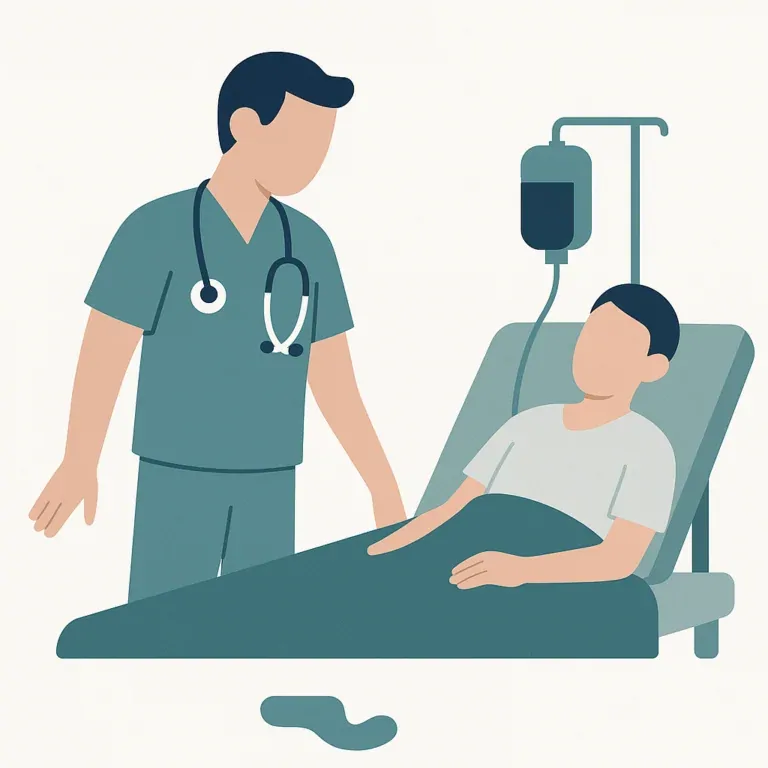
Negligence in first aid means failing to act carefully or responsibly when someone needs help, which can make a bad situation even worse. Understanding negligence is key to providing the right care quickly and keeping those who are hurt safe and comfortable.

Respiratory distress means a person is struggling to breathe or not getting enough air. Learn the warning signs, what to do first, and when to call 000.
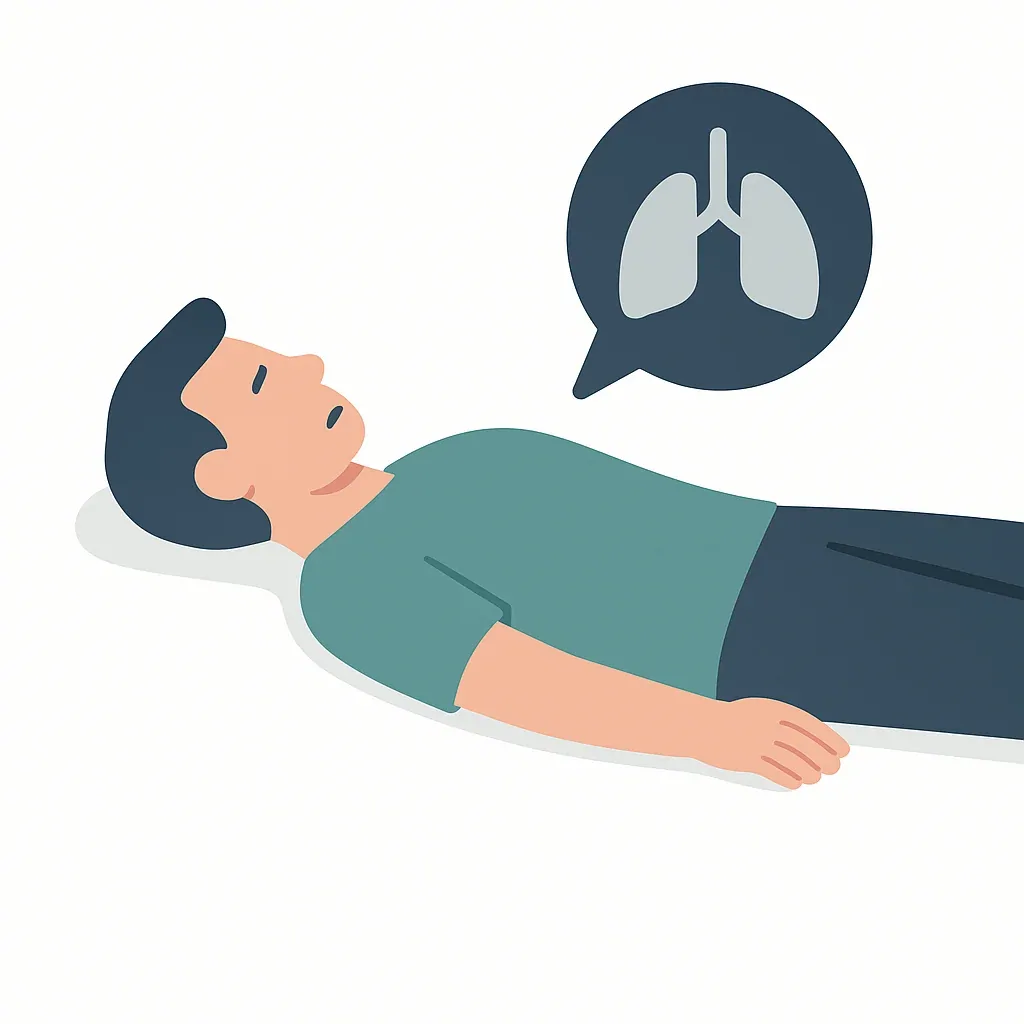
Respiratory arrest means breathing has stopped. Learn what it means in first aid, what to do immediately, and when CPR is needed.