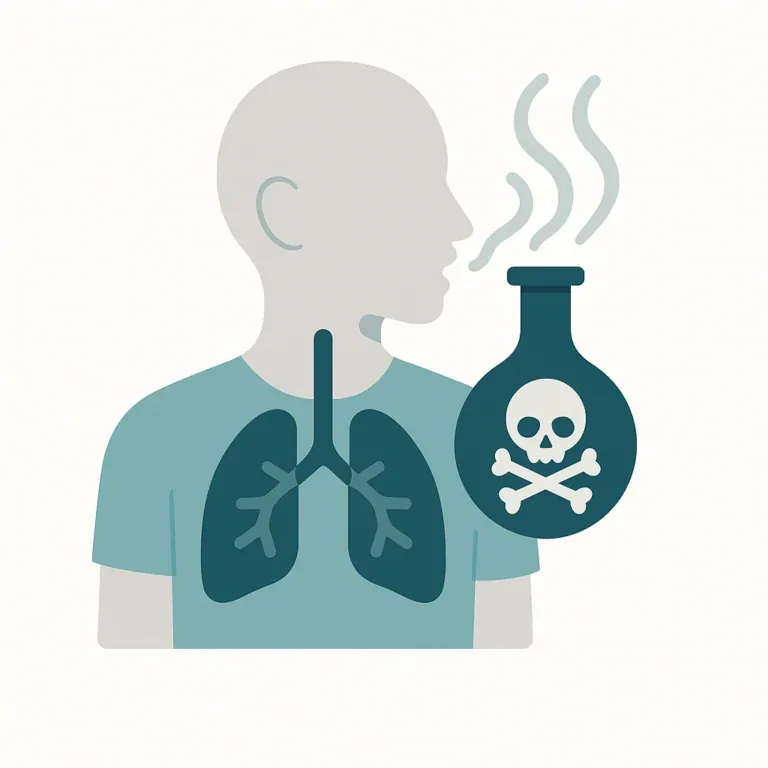


Life-threatening conditions are very serious health problems that can quickly cause death or permanent harm if not treated right away. These conditions need fast action and help from emergency services. Knowing about life-threatening conditions can help you stay calm and give the right first aid when someone is in danger.
Life-threatening means the person’s life is at risk. This does not mean the person will definitely die, but without quick and proper help, they might. These conditions can happen suddenly or develop quickly. Some happen because of illness, injury, or accidents.
Why it matters in first aid
In first aid, life-threatening conditions are the most urgent situations. Recognising them is important so you can act fast and keep the person alive until trained help arrives. Australian first aid guides tell us to check the person carefully and call 000 immediately if the situation seems life-threatening.
Common examples of life-threatening conditions include severe bleeding, choking, heart attack, stroke, severe allergic reactions, and not breathing. Each of these affects the body in ways that stop it from working properly. For example, choking stops air from getting into the lungs, and this makes it hard or impossible to breathe.
Knowing what to look for helps you spot a life-threatening condition. Someone who is choking may clutch their throat, look panicked, or be unable to speak. A person having a heart attack might feel chest pain, tightness, or shortness of breath. Someone with severe bleeding may have lots of blood coming from a wound and look pale or weak.
When to call 000
When you see signs of a life-threatening condition, your first step is to call 000. Emergency services can send an ambulance and guide you on what to do. While waiting, you can start simple first aid steps to help keep the person safe. For example, you can try to stop bleeding by pressing firmly on a wound with a clean cloth. Or, you can help someone who is choking by carefully encouraging them to cough or by giving back blows.
It is very important to stay calm. Panicking can make it harder to help. Speak calmly to the person if they are awake. Keep them comfortable and warm but do not move them if they might have a serious injury, like a broken bone or neck injury.
Do not try complicated first aid unless you know it well. The safest action is to call 000 and follow any clear advice given by the emergency operator. While waiting for help, keep checking the person’s breathing and responsiveness. If they stop breathing, you may need to begin CPR if you know how.
Safety and prevention
Safety is always important when giving first aid. Make sure the scene is safe for you before helping. If the situation is too dangerous, wait for trained professionals. Your safety helps you give better care.
Summary
In summary, life-threatening conditions are very serious health problems that need quick action. Knowing the signs and how to respond can save lives. Always call 000 if you believe someone is in a life-threatening emergency. Stay calm, keep the person safe, and provide simple help until help arrives.
Remember, life-threatening conditions are rare but very serious. Being prepared and knowing what to do helps keep everyone safe. If you ever feel unsure, the best thing is to get help by calling 000. Emergency workers are trained to assist in these situations and can guide you through what to do next.
Sources reviewed
Reviewed against current Australian first aid, emergency and public-health guidance by the First Aid Glossary Editorial Team. This article is general information and does not replace emergency-operator directions, professional medical advice or hands-on first aid training.