Haemorrhage
Haemorrhage means heavy bleeding that can be life-threatening if not treated quickly. Understanding how to recognize and respond to haemorrhage is crucial for providing first aid and saving lives.
Haemorrhage means heavy bleeding that can be life-threatening if not treated quickly. Understanding how to recognize and respond to haemorrhage is crucial for providing first aid and saving lives.
Bites happen when teeth break the skin, often leading to pain, swelling, or even infection if not treated properly. Knowing how to care for bites quickly can help prevent complications and keep you safe.

A compression bandage is a must-have in first aid, helping to control bleeding and reduce swelling by applying gentle, firm pressure to injured areas. Whether dealing with a bruise, sprain, or cut, knowing how to use a compression bandage can make all the difference in keeping someone safe until medical help arrives.
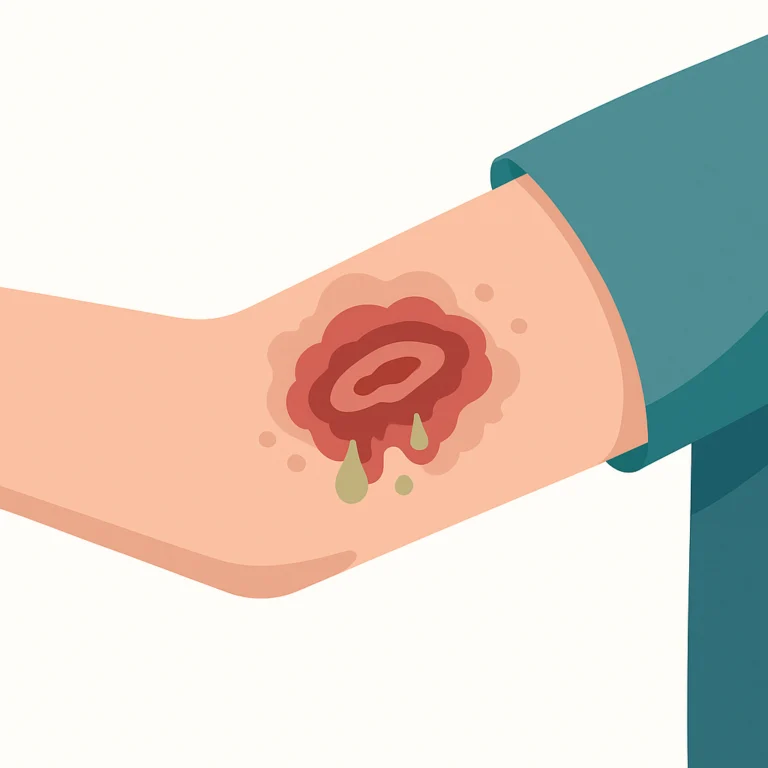
A wound infection occurs when bacteria or other germs enter a break in the skin, causing redness, pain, and swelling that can slow healing. Knowing how to recognize the signs early is key to preventing complications and ensuring proper care.
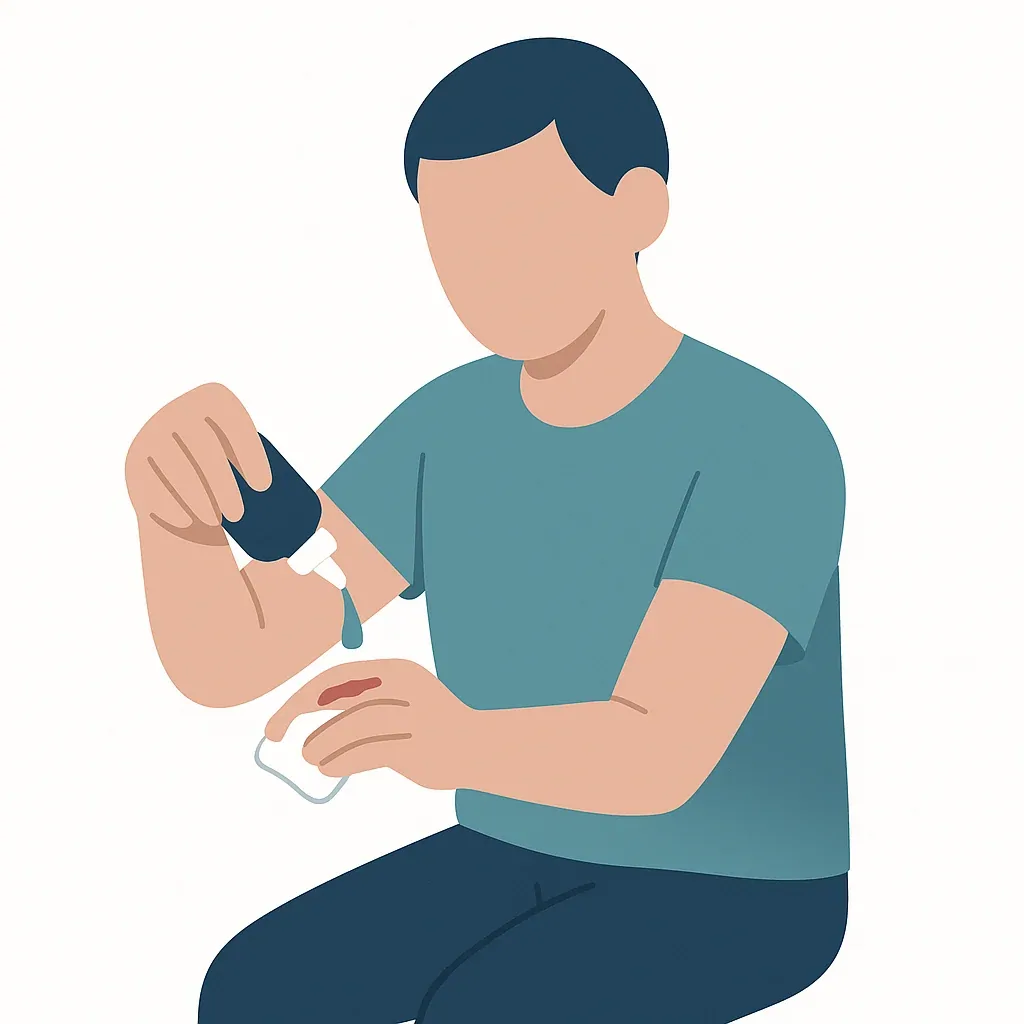
Proper wound care is essential to help cuts and scrapes heal quickly while preventing infection. By knowing a few simple steps, you can protect your skin and support your body’s natural healing process.
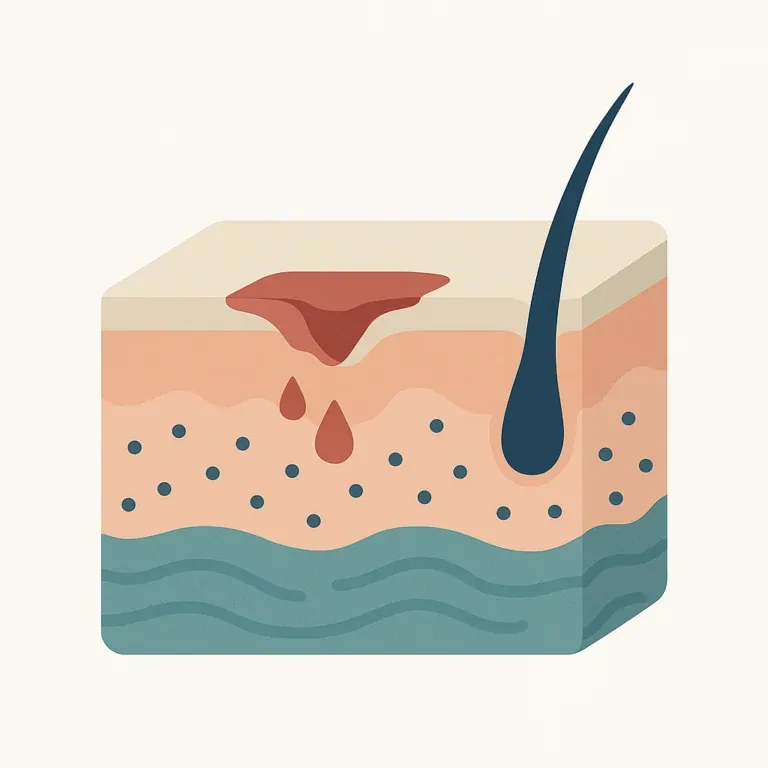
Skin integrity is your bodys natural shield, keeping you protected from germs and injury by maintaining healthy, unbroken skin. By understanding and caring for skin integrity, you can help prevent infections and support faster healing whenever skin is damaged.
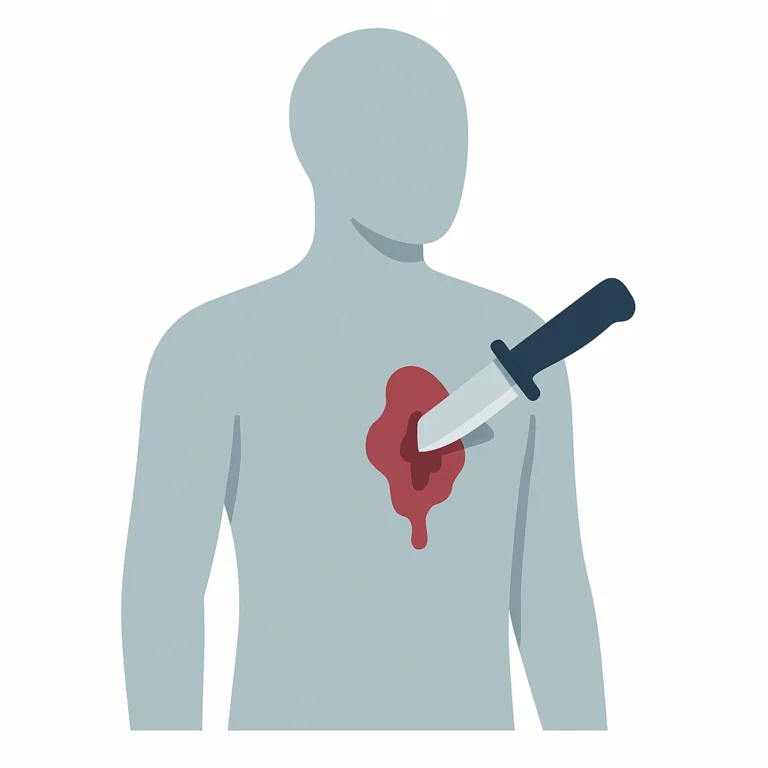
Penetrating trauma occurs when a sharp object pierces the skin, creating a deep wound that can damage vital organs and cause serious bleeding. Knowing how to respond calmly and safely is crucial to support the injured person until professional help arrives.

Blood loss happens when blood flows out from a wound, and understanding it is key because your blood carries oxygen and nutrients that keep your body working. Learning how to stop bleeding quickly is vital in first aid to prevent serious complications and even save a life.

Exsanguination is a life-threatening condition where rapid and heavy bleeding can quickly drain the body of vital oxygen and nutrients. Understanding how to recognize and respond to exsanguination in first aid can make all the difference in saving a life.
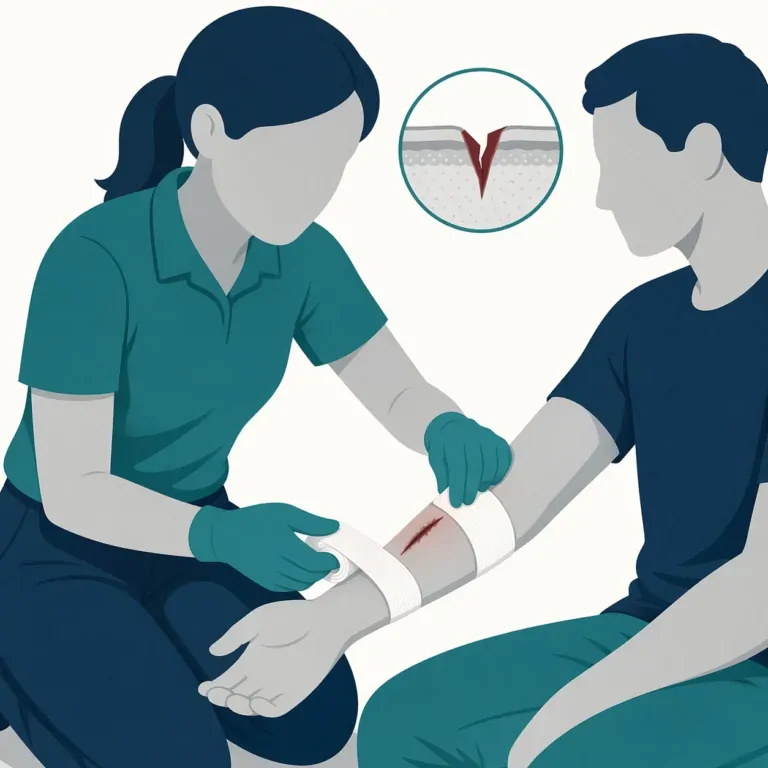
A laceration is a deep, open cut or tear in the skin caused by something sharp, and knowing how to treat it quickly is key to stopping bleeding and preventing infection. Whether from accidents at home or outdoors, understanding lacerations helps keep you and others safe.