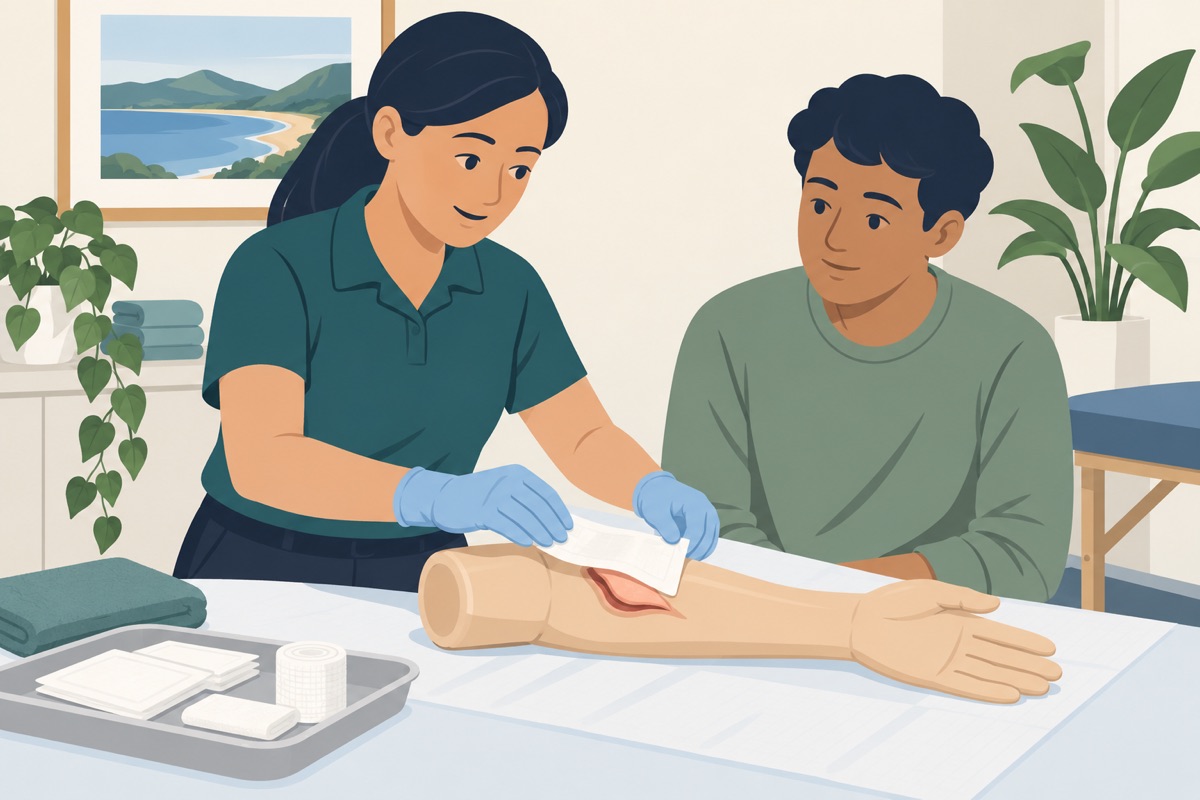
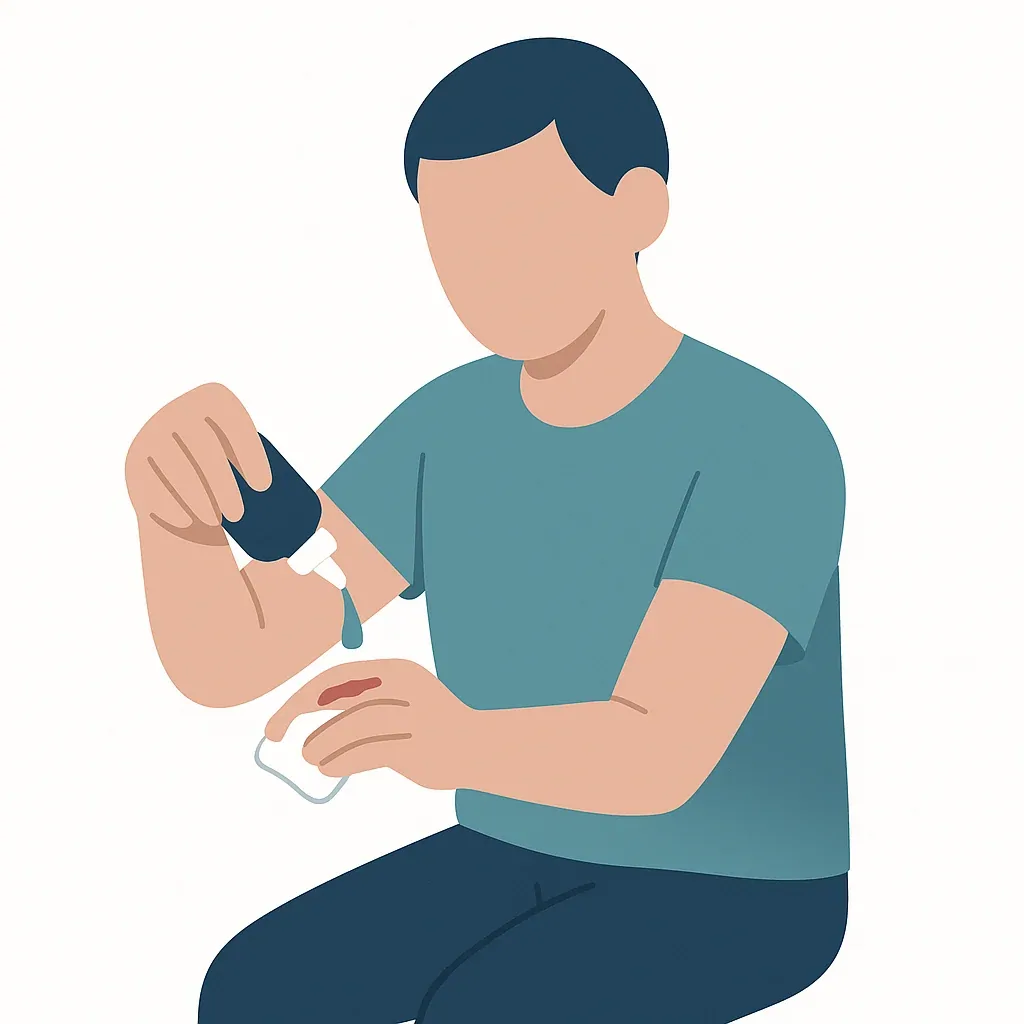

Wound care means looking after a cut, scrape, or any kind of break in the skin to help it heal well and prevent infection. When the skin is broken, germs like bacteria can get inside and cause an infection. A wound is any injury that damages the skin, whether it is small or large, deep or shallow. Knowing how to care for a wound is important for anyone because injuries can happen anytime while playing, working, or at home.
When you see a wound, you might notice blood or that the skin is torn or scraped. Sometimes the area around the wound might be red, swollen, or painful. These signs show that the skin has been damaged and the body is starting to heal itself. Wound care in first aid is about helping the body heal and stopping more harm from happening. Taking care of wounds quickly and properly is important to avoid infections, reduce pain, and help you get better faster.
The first step in wound care is to keep calm and make sure the area is safe. Before touching a wound, it is good to wash your hands or use gloves if you have them. This helps stop germs from getting into the wound. If you cannot clean your hands, try not to touch the wound more than necessary.
Cleaning the wound is very important. This usually means gently rinsing the area with clean water to wash away any dirt, dust, or other bits that don’t belong there. If you use anything to clean the wound, make sure it is safe, such as plain water. Avoid using strong soaps, chemicals, or things like cotton wool stuck to the wound as these can hurt the healing skin.
After the wound is cleaned, you might need to stop any bleeding. Most small wounds stop bleeding by themselves or with gentle pressure using a clean cloth or paper towel. Pressing gently over the wound helps blood to clot, which means it thickens and stops flowing out. If the bleeding does not slow down or stop after a few minutes, it is important to get help by calling 000. Heavy bleeding can be dangerous and needs quick medical help.
Once the bleeding is under control, covering the wound can keep it clean and protected from germs or further damage. A clean, dry dressing or bandage works well for this. Dressings can be simple pieces of gauze or special wound pads. You should change the dressing if it gets dirty, wet, or after a day to keep the wound fresh. This helps stop infection and lets you check if the wound is healing properly.
Watching the wound carefully is part of wound care. Signs of infection include increased redness, swelling, warmth, pain, or if the area starts to smell bad or has pus (a thick, yellow or green liquid). If any of these signs appear, the person with the wound should see a doctor or call for emergency help if they feel very unwell. Infection can spread and cause more serious problems if not treated early.
When to call 000
Some wounds might need stitches or special medical care. If the cut is deep, if there is a lot of bleeding that will not stop, or if the wound is caused by something very dirty or rusty, it is important to call 000 or go to a doctor. Sometimes wounds from animals or bites also need special care to prevent infection.
When caring for wounds, it is also important to remember not to pick at scabs or open the wound again. Scabs help protect the healing skin underneath. Picking can cause new injury or infection and slow down the healing process. Keeping the wound dry and clean, and giving it time to heal, is the best way to get better.
Summary
Wound care is something most people can help with at home. Simple steps like cleaning, stopping bleeding, covering the wound, and watching for infection can make a big difference. If you are ever unsure whether a wound is serious, it is always safer to call 000 or visit a doctor.
Always be gentle when treating a wound. If the person is very young, very old, has other health problems, or if the wound looks severe, help should be called quickly. Good wound care is the first step to a safe and quick recovery from an injury. Staying calm and following these simple actions can help keep you and the people around you safe and healthy.
Related glossary terms: Wound Infection and Wound Dressing.
Sources reviewed
Reviewed against Australian first aid and emergency guidance by the First Aid Glossary Editorial Team. This article is general information and does not replace emergency-operator directions, professional medical advice or hands-on first aid training.