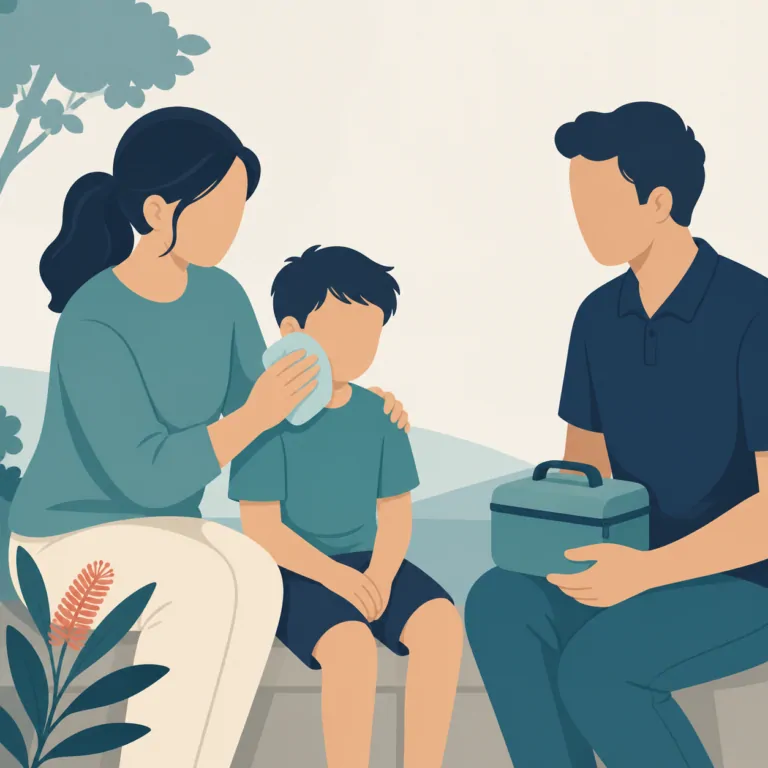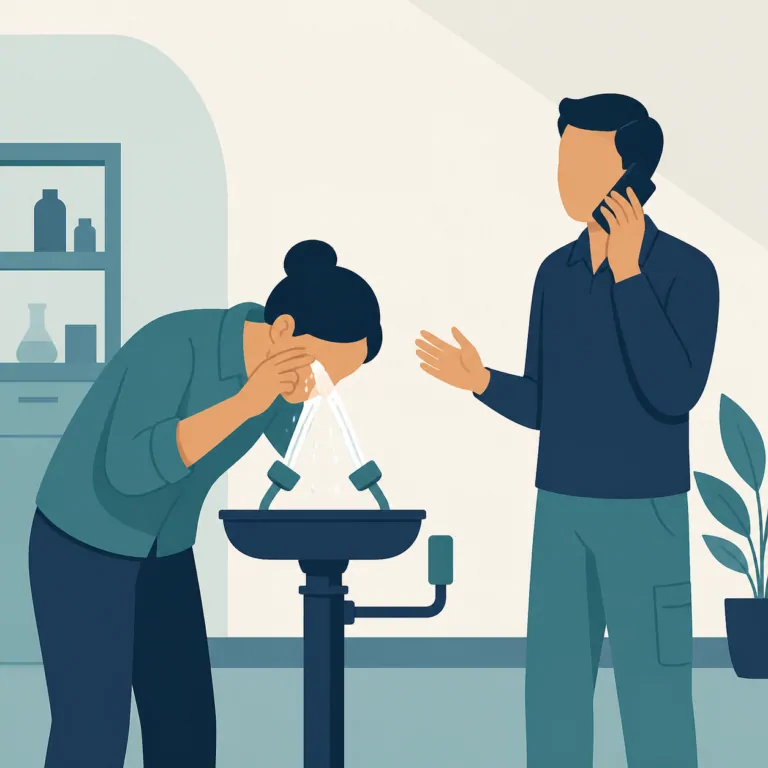

An abrasion is a superficial wound caused when the skin is rubbed or scraped against a rough surface. Everyday words for an abrasion include a graze or scrape. It usually affects the outer skin, although a forceful scrape can damage deeper layers and bleed. The term describes how the skin was injured; it does not by itself tell you whether the wound is minor or whether other injuries are present.
How an abrasion differs from other wounds
A graze often looks raw because the top layer of skin has been rubbed away. Small abrasions may sting, ooze a little blood or clear fluid, and contain grit. A cut or laceration is caused by an edge or tearing force and may extend deeper. A bruise is closed skin with bleeding beneath it. A large or deep scrape can still be serious, especially when it covers a wide area, contains embedded material, or occurs with a fall or collision.
Related terms include wound, wound care, contusions and laceration.
What to notice
Look for the size and depth of the scraped area, ongoing bleeding, dirt or gravel in the skin, pain, and damage around joints, the face, hands or feet. Ask how the injury happened. A person who fell at speed may also have a head injury or fracture even if the scrape looks obvious. Check that the scene is safe and use disposable gloves if available.
Basic first aid for a small abrasion
- Wash your hands and put on gloves if available. If the wound is bleeding, apply steady direct pressure with a clean dressing until it stops.
- Rinse the scrape gently with clean running water to remove loose dirt. Do not scrub hard or dig at material that is firmly embedded.
- Pat the surrounding skin dry and cover the wound with a clean, non-stick dressing. Change the dressing if it becomes wet or dirty.
- Watch for increasing redness, swelling, warmth, pain, pus or fever, which may need medical assessment.
These steps are for a minor surface wound. If debris will not rinse away, seek medical care rather than trying to cut or scrape it out.
When to get urgent help
Call Triple Zero (000) for heavy bleeding, a serious fall or collision, a person who becomes unresponsive, or another life-threatening emergency. Arrange prompt medical assessment if the scrape is large or deep, contains embedded grit or glass, is over an eye or joint, or shows signs of infection. Seek advice about tetanus vaccination if the wound is dirty or the person’s immunisation status is uncertain.
Why the distinction matters
An abrasion may be simple to clean, but its appearance does not rule out hidden injury or retained debris. First aid focuses on stopping bleeding, gentle rinsing and protection. A clinician can assess wounds that are deep, contaminated, infected or not healing.
Sources reviewed
- Healthdirect Australia: Wounds, cuts and grazes
- ANZCOR Guideline 9.1.1: First aid for management of bleeding
This glossary entry is general education, not individual medical advice or a replacement for accredited first aid training. In an Australian emergency, call Triple Zero (000).