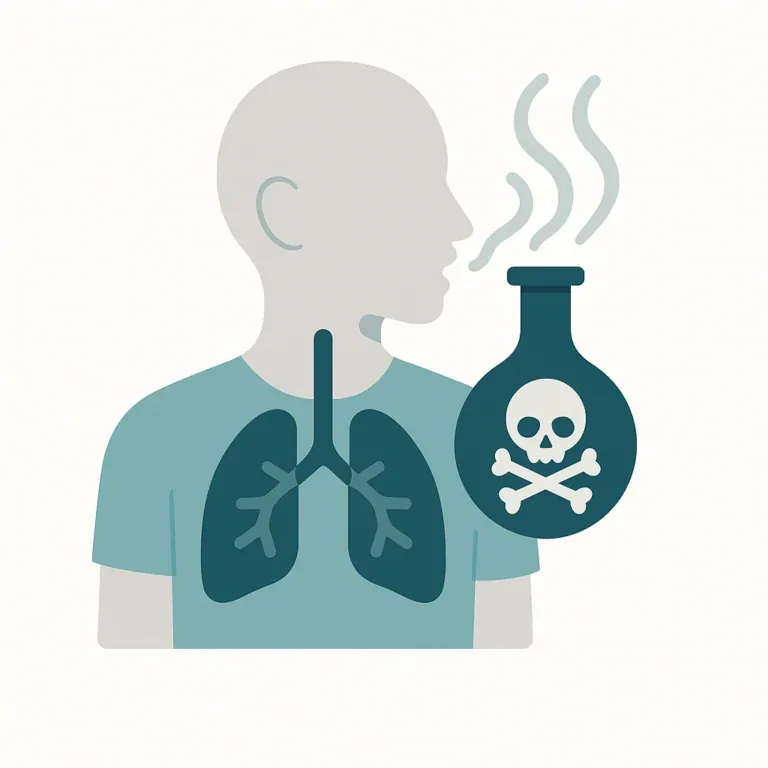


Poison control means knowing how to help someone who has swallowed, breathed in, touched, or otherwise come into contact with something harmful. In first aid, poison control is about acting quickly and safely when poisoning happens. Poisoning can be caused by things like chemicals, medicines, plants, or household products. It is important because some poisons can make a person very sick or hurt their body quickly.
When someone is poisoned, their body reacts in different ways depending on what the poison is and how much got inside. The person might feel sick, dizzy, have trouble breathing, or lose consciousness. Sometimes the skin might have burns or rashes. In poison control, the goal is to stop more harm from happening, keep the person safe, and get help fast.
Poisoning can happen anywhere – at home, school, work, or even outside. Kids are more likely to get poisoned because they explore by putting things in their mouth. Older adults can also be at risk if they take the wrong medicine or mix up pills. Knowing the basics of poison control helps families and communities keep each other safe.
If you think someone has been poisoned, the first thing to do is stay calm. Quickly check what happened and try to find out what the person was exposed to. Look for any containers, labels, or chemicals nearby. It is very important to keep the poison away from the person and others.
Do not make the person vomit or give them anything to drink unless a health professional says it is okay. Trying home remedies can sometimes make things worse. Instead, call for help right away.
When to call 000
In Australia, if the situation is serious or the person is very sick, call 000 to get emergency help. Serious signs include trouble breathing, unconsciousness, severe pain, or seizures. If the person is awake and it seems less urgent, you can call the Poison Information Centre on 13 11 26. They are experts who can tell you what to do. This number works 24 hours a day every day.
While waiting for help, keep the person comfortable and safe. Try not to move them too much, especially if they feel weak or dizzy. Watch their breathing and level of awareness. If the person loses consciousness and is not breathing normally, begin CPR if you know how.
Why it matters in first aid
First aid for poisoning focuses on preventing more poison from entering the body and supporting the person’s breathing and circulation. Removing the poison from the skin or eyes with gentle water rinsing can help if the poison is on the outside. But be careful not to spread the poison to yourself or others.
At all times, protect yourself first. Wear gloves if you can, and avoid touching unknown substances. Keeping yourself safe means you can help better.
Summary
Understanding poison control is important because many poisoning emergencies can get better with quick action. Knowing when to call for professional advice or emergency help can save lives.
In summary, poison control is about recognising poison dangers, acting safely, and getting the right help quickly. Remember the Australian emergency number 000 for serious cases, and the Poison Information Centre on 13 11 26 for advice. Keeping calm, staying safe, and helping the person until experts arrive are the main steps everyone should know.
Sources reviewed
- NSW Poisons Information Centre: poisons first aid
- NSW Poisons Information Centre: 13 11 26 service information
- Triple Zero: official emergency calling guidance
Reviewed against Australian poisons, first aid and emergency guidance by the First Aid Glossary Editorial Team. This article is general information and does not replace directions from the Poisons Information Centre, emergency operators, professional medical advice or hands-on first aid training.