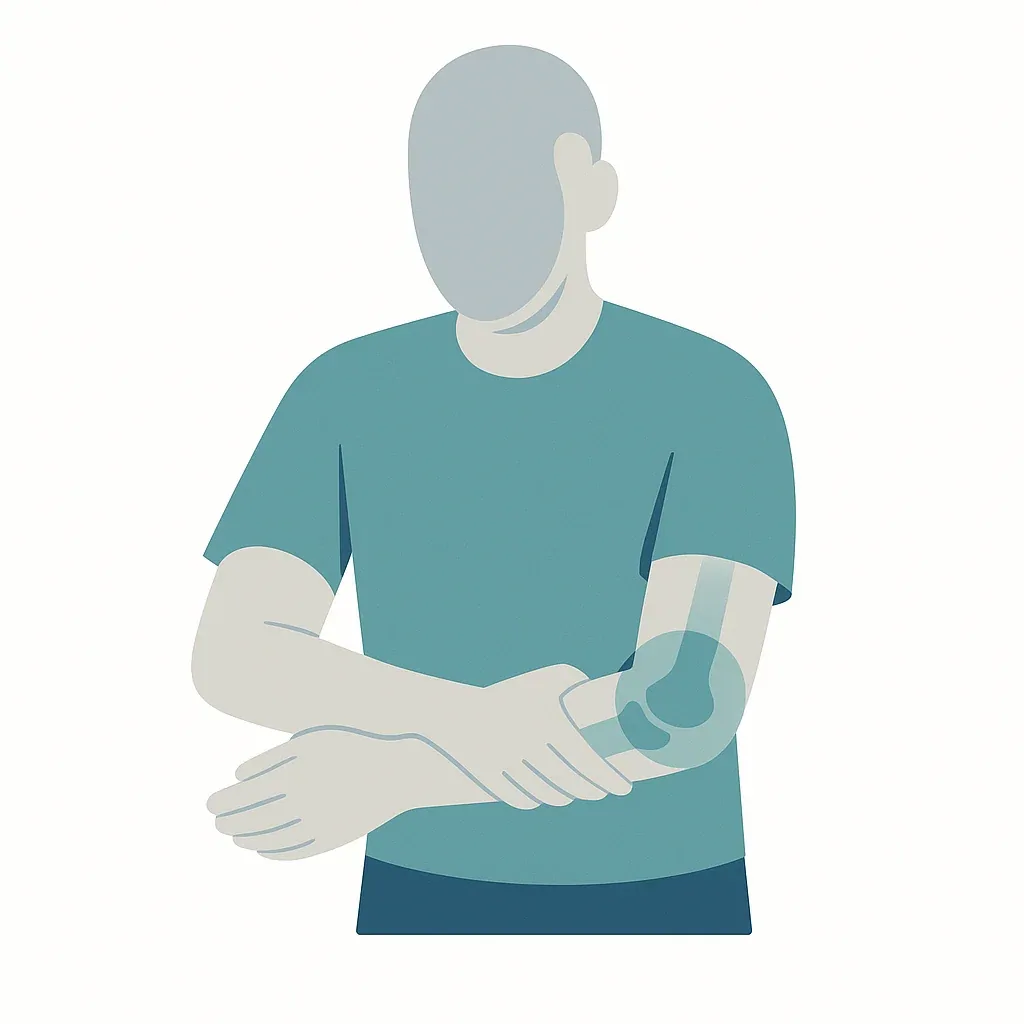

Joint stabilization is a way to keep a joint steady and safe after it has been hurt or injured. A joint is where two bones meet in the body, like the knee, elbow, wrist, or ankle. These places help us move parts of our body, such as bending our arm or walking. When a joint is injured, it might become painful, swollen, or hard to move. Joint stabilization helps stop the joint from moving too much so the injury does not get worse before you can get medical help.
In first aid, joint stabilization is important because it can reduce pain and prevent further harm. For example, if someone falls and injures their elbow or ankle, moving the joint too much can cause more damage to the bones, muscles, or soft tissues around it. By keeping the joint steady and supported, it helps protect the injured area and makes the person more comfortable.
When a joint is injured, you might see or feel certain signs. The person may have swelling or bruises around the joint. The joint might look crooked, bent in the wrong way, or feel loose and wobbly. It can also be very painful to touch or move the area. Sometimes, the injured person might find it hard or even impossible to use that part of their body. These signs can mean there is a sprain (damage to the ligaments), a dislocation (when the bones in the joint are moved out of place), or a fracture (broken bone). All these injuries need the joint to be stabilized until professional help arrives or the person can get to a hospital.
To stabilize a joint, you need to keep it still and supported. You might use something like a splint, which is a firm object that holds the joint in place. In some situations, even a piece of wood, a rolled-up newspaper, or a paddle can work as a splint. You can also use soft things like cloth or towels wrapped around the joint to protect it. What matters most is preventing the joint from moving in ways that hurt it more.
Why it matters in first aid
When you are helping someone with a joint injury, you should also take care to keep them safe. Make sure the person is comfortable and not in danger of falling. If the person feels faint, dizzy, or is bleeding heavily, call emergency services immediately. In Australia, you can dial 000 for ambulance, fire, or police help in serious emergencies.
Do not try to push the joint back into place if it looks out of position. This can cause more damage. Instead, focus on keeping the joint still and get professional help as soon as possible. Try to keep the injured limb supported in the position it was found. You can use pillows or rolled towels for extra comfort.
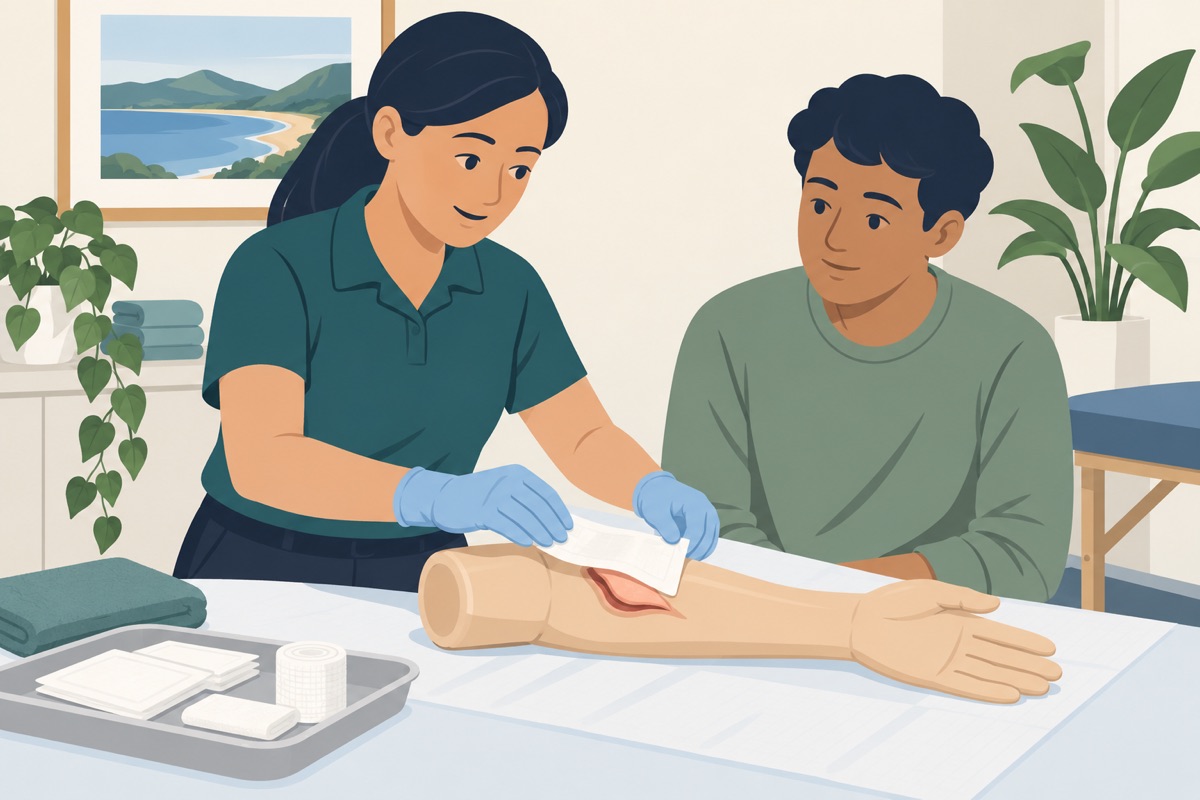
If there is bleeding, use a clean cloth to gently press on the wound without moving the joint too much. Check the person’s blood flow beyond the injury site by looking at the skin color and checking if they can feel touches or wiggle fingers or toes. If blood flow is poor, or if the limb is cold or pale, get emergency help right away.
You can help reduce swelling and pain by making sure the injured joint is not touching the ground or heavy objects. Sometimes, careful elevation—that means lifting the injured joint up a little—can help if it does not cause more pain. But do not force the injured part to move.
When to call 000
If the person complains of severe pain, numbness, or cannot move the limb at all, these are signs that the injury might be serious. In this case, do not try to move the person unless they are in immediate danger, like a fire or a road accident scene. Call 000 and wait for ambulance officers to arrive.
It is important to stay with the injured person and keep them calm while you stabilize the joint. Talk to them in a reassuring way and explain what you are doing. This will help them stay still and reduce fear, which can sometimes make pain worse.
Safety and prevention
Remember, joint stabilization is not about fixing the injury. It is about protecting the joint after an accident or injury until professional medical help can take over. Good first aid helps prevent more damage and makes the injured person more comfortable. It also helps doctors and nurses when they start treatment.
Summary
In summary, joint stabilization helps keep hurt joints safe and still by supporting them with splints or soft padding. It helps reduce pain, prevents more injury, and keeps the injured person safe while waiting for ambulance or hospital care. If the injury is serious, or if symptoms like severe pain, loss of feeling, or heavy bleeding happen, call 000 straight away.
Understanding how to stabilize a joint can help you feel ready to assist if someone you know hurts themselves. Always stay calm, avoid unnecessary movement, support the joint, and seek emergency help if needed. This simple action can make a big difference in the care a person gets.
Sources reviewed
Reviewed against current Australian first aid and emergency guidance by the First Aid Glossary Editorial Team. This article is general information and does not replace emergency-operator directions, professional medical advice or hands-on first aid training.