
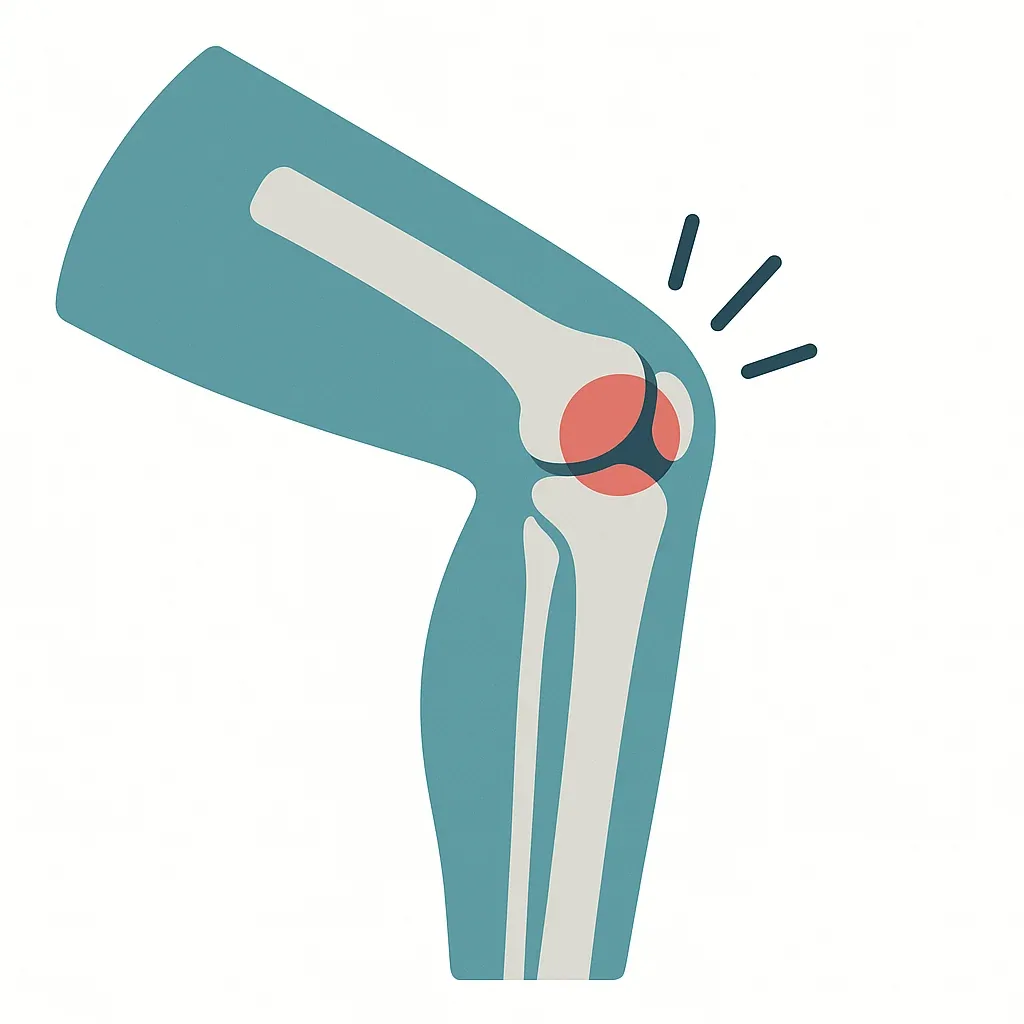

Joint injury means any damage to the joints in your body. Joints are the places where two or more bones meet. They help you move and bend your arms, legs, fingers, and other parts of your body. When a joint gets hurt, it might cause pain, swelling, or make it hard for you to move the joint.
Joint injuries can happen in many ways. Sometimes they happen suddenly if you fall, twist too hard, or hit the joint. Other times, joints can be hurt more slowly by doing too much exercise or movement without rest. Common joints that people hurt include knees, elbows, shoulders, wrists, and ankles.
Joint injuries are important to know about because they can affect how well you can use your body. If you hurt a joint, it can stop you from doing everyday activities. Sometimes joint injuries can heal on their own, but other times they need care from a doctor or first aid to stop things from getting worse.
What Happens in a Joint Injury
Inside your joint, there are bones, cartilage, ligaments, and tendons. Cartilage is a soft layer that helps bones move smoothly against each other. Ligaments connect bones to each other and keep the joint stable. Tendons connect muscles to bones and help you move the joint.
When a joint is injured, one or more of these parts can get hurt. You might sprain a ligament, strain a tendon, or bruise the bones around the joint. Sometimes the joint can dislocate, which means the bones move out of their normal place.
Signs of a joint injury usually include pain, swelling, and difficulty moving the joint. The joint may look swollen or bruised. It might feel warm or tender. You might hear a popping sound when the injury happens. In serious cases, the joint may look misshapen or bent in the wrong way.
Why Joint Injuries Matter in First Aid
When you help someone with a joint injury, your main job is to keep the joint still and safe. Moving a hurt joint too much can make the injury worse. It might cause more pain or even damage the joint permanently.
First aid can help lessen pain and swelling and protect the joint until the person can get medical help. Knowing the right things to do can also help the person stay calm and feel supported.
General Safety Tips
If someone has a joint injury, first try to keep them comfortable. Help them stop any movement that causes pain. You can help them sit or lie down if that feels better.
Avoid moving the joint too much. If the person must move, support the injury using a soft sling or padding if you can. This prevents more damage.
If there is bleeding, cover it with a clean cloth. Do not apply strong pressure directly on broken skin if there is a risk of hurting the joint more.
Call emergency services on 000 if:
- The joint looks very bent or out of place.
- There is severe pain that does not get better.
- The person cannot move the joint at all.
- You see or hear a popping or cracking sound at the time of injury.
- The injured person feels numb, weak, or the fingers or toes look pale or cold.
- There is heavy bleeding that does not stop.
What to Do After a Joint Injury
You can use the RICE method to help reduce swelling and pain. RICE stands for Rest, Ice, Compression, and Elevation.
Rest means not using the hurt joint. Stop any activity that makes the pain worse.
Ice helps slow down swelling. You can use a cold pack or a bag of frozen vegetables wrapped in a towel. Apply it on the injured area for about 20 minutes every hour. Do not put ice directly on the skin to avoid frostbite.
Compression means using a bandage to gently wrap the joint. This helps keep swelling down and supports the joint. The bandage should be snug, but not too tight to stop blood flow.
Elevation means raising the joint above the level of the heart. This helps reduce swelling. For example, if the ankle is hurt, you can place the foot on a cushion.
When to See a Doctor
Even if the injury seems small, it is a good idea to see a doctor if the pain keeps going or if the joint doesn’t get better after a few days.
A doctor can check if any bones are broken, if ligaments are badly damaged, or if the joint is dislocated. Sometimes, an X-ray or other tests are needed.
If the injury is serious, the doctor may give treatments like a splint, a cast, medicine for pain, or sometimes surgery. Following the doctor’s advice helps the joint heal well.
What Not to Do
Do not try to force the joint back into place if it is out of position. This can cause more harm.
Do not rub or massage a swollen joint because this might increase swelling.
Do not give the injured person alcohol or drugs to hide pain, especially if the injury is serious.
Do not ignore the injury. Even small joint injuries can get worse without care.
Helping Someone with a Joint Injury Feel Better
Being hurt can be scary and painful. Try to stay calm and speak gently to the injured person. Reassure them that help is on the way or that you will help care for them.
If they feel cold or shocked, cover them with a blanket. Help them avoid moving the joint and keep it supported.
If the injured person needs to wait for an ambulance or doctor, stay with them and check if they are breathing well.
In summary, joint injury means damage to a place in the body where bones meet. It can be painful and make it hard to move. In first aid, the goal is to protect the joint, reduce pain and swelling, and get medical help if needed. Remember to call 000 in serious cases. Taking the right first aid steps can help the injured person feel better and prevent further harm.
Sources reviewed
Reviewed against current Australian injury, first aid and emergency guidance by the First Aid Glossary Editorial Team. This article is general information and does not replace emergency-operator directions, professional medical advice or hands-on first aid training.
