
- Understanding Muscle Strain
- Why Muscle Strain Matters in First Aid
- Signs and Symptoms of Muscle Strain
- How Muscle Strain Happens
- General Safety Tips Around Muscle Strain
- Simple First Aid for Muscle Strain
- When to Call Emergency Services
- Helping the Person Heal After a Muscle Strain
- Preventing Muscle Strain
- Summary
- Sources reviewed
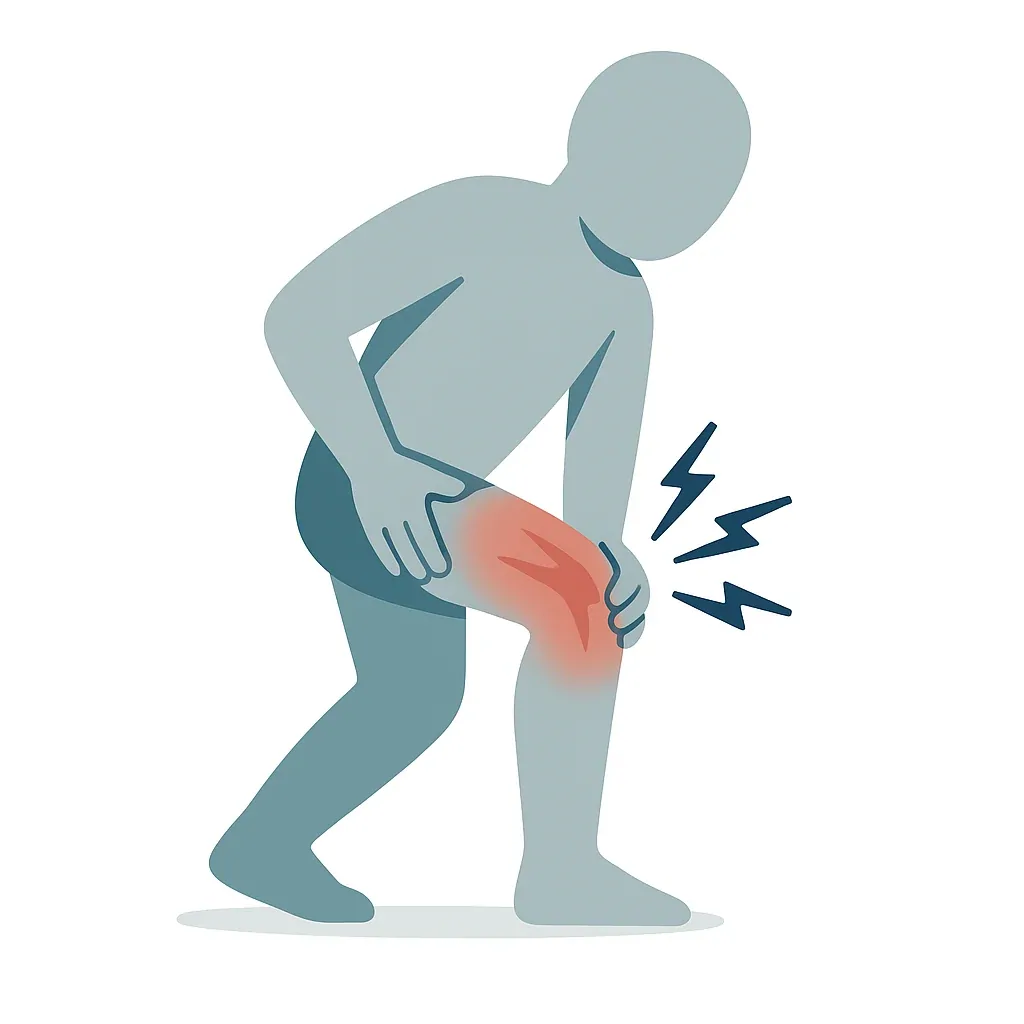
A muscle strain happens when a muscle gets stretched too far or tears a little bit. Muscles are the parts of your body that help you move. When you use a muscle too hard, too fast, or in the wrong way, it can get hurt. This injury is called a strain. It usually causes pain, stiffness, and sometimes swelling. Muscle strains are common, especially when people play sports, do physical work, or suddenly use a muscle that isn’t warmed up.
Understanding Muscle Strain
Muscles are made of tiny fibres that work together to help you move. When you stretch a muscle too much or it gets pulled hard, these fibres can be damaged. A mild strain might feel like a small pull or tightness. A more serious strain can cause pain and make it hard to move the muscle. Sometimes, the muscle can swell or bruise where it is hurt.
Muscle strains can happen anywhere in the body. But they often affect parts that move a lot, like your back, legs, arms, or neck. The area around the muscle may feel sore or tender to touch. You might also feel a sudden sharp pain if the strain happens quickly.
Why Muscle Strain Matters in First Aid
Knowing about muscle strain is important because many people get it, and it can stop them from doing everyday activities. If the strain/" class="fag-auto-link">muscle strain is mild, you can often help it heal with simple first aid at home. Giving the muscle time to rest and protecting it from more damage is key. If you don’t care for the strain properly, it might take longer to get better or could make future injuries more likely.
In first aid, the goal is to help reduce pain and swelling. Helping the person to feel more comfortable and avoid making the injury worse is important. First aid can also stop a mild injury from turning into a more serious problem.
Signs and Symptoms of Muscle Strain
When someone has a muscle strain, they may show different signs. These include:
- Pain – This can be sudden and sharp, or it can be a dull ache. The pain gets worse when the muscle is used.
- Swelling – The muscle area might look puffier or feel fuller than usual.
- Bruising – Sometimes, there will be discolouration on the skin where the muscle is injured. This happens because of tiny bleeding under the skin.
- Stiffness – The muscle may feel tight, making it hard to move normally.
- Weakness – The person may find it difficult to use the muscle or put weight on it.
- Muscle spasms – The muscle might tighten suddenly and feel hard.
How Muscle Strain Happens
Muscle strains can occur in many ways. Often, they happen after sudden or heavy use of a muscle. Some common causes are:
- Lifting objects that are too heavy or lifting them the wrong way.
- Making quick or awkward movements, like twisting suddenly.
- Playing sports without warming up first.
- Jumping down from heights or falling.
- Overusing a muscle by doing the same movement many times.
- Sometimes, muscles can feel tired or weak before they strain. This makes them easier to injure.
General Safety Tips Around Muscle Strain
If you think someone has a muscle strain, you should help them avoid making the injury worse. It is best to stop the activity that caused the strain. Moving the injured muscle too much can cause more pain and damage.
If the person is in pain, help them find a comfortable position where the muscle is not stretched or squeezed. Avoid touching the injured area too hard.
Be careful moving someone if the strain is very painful, especially around the back or neck. Injuries to these areas could be more serious.
If you are helping someone else, always ask how they feel and what they need. Sometimes, muscle strain pain can look worse because the person is worried or scared. Staying calm and offering support can help.
Simple First Aid for Muscle Strain
When a muscle strain happens, first aid can help reduce pain and swelling. The general idea is to rest, protect, and treat the injured muscle.
Rest is very important. Avoid using the muscle too much until the pain gets better. This gives the muscle time to heal.
Try to protect the muscle. You can gently support it with a soft bandage or use pillows to keep it in a comfortable position.
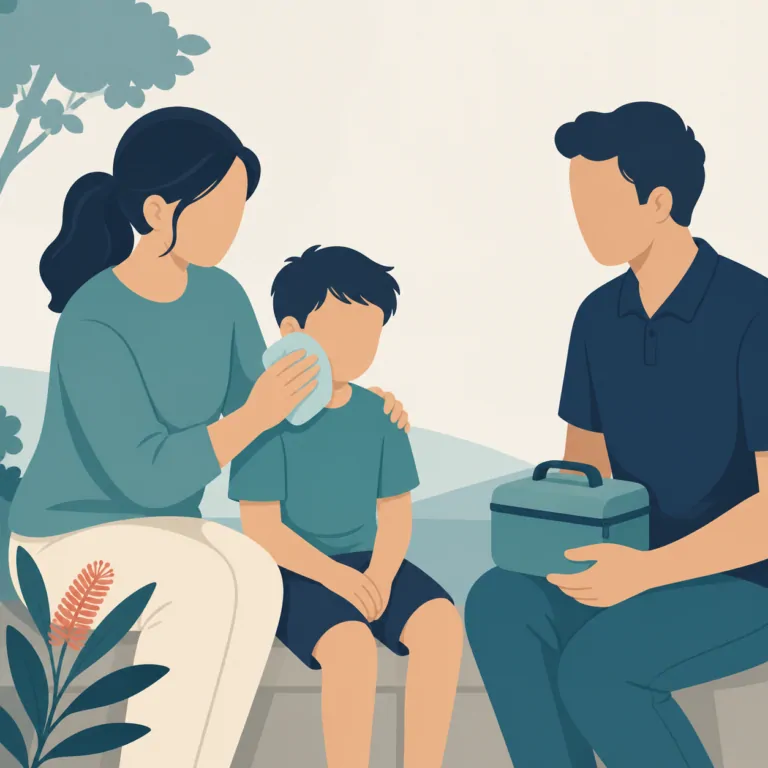
Applying a cold pack or ice wrapped in a cloth to the injured area can help reduce swelling and pain. Do this for about 15 to 20 minutes every couple of hours, but never put ice directly on the skin.
Keeping the muscle raised, if possible, can also help reduce swelling.
If the person has mild pain, they can take over-the-counter pain relief medicines, but only if they have used these medicines before and do not have any allergies.
Watch the injury closely for the next day or two. If the pain, swelling, or bruising gets worse, this might be a sign of a more serious injury.
When to Call Emergency Services
Most muscle strains are not emergencies. However, there are times when you should call 000 for help:
- If the person has severe pain and cannot move the muscle at all.
- If the injury happened after a fall from a height or a car accident.
- If the pain is in the neck or back, especially if numbness, weakness, or loss of bladder or bowel control happens.
- If the injured area looks deformed or has a large, dark bruise.
- If the person feels faint, dizzy, or is having trouble breathing.
- If you are unsure about how serious the injury is, it is better to call for emergency help.
- When you call 000, stay calm and give clear information about what happened, the person’s condition, and your location.
Helping the Person Heal After a Muscle Strain
Once immediate first aid has been done, the muscle needs time to get better. This means not using it too much and avoiding heavy lifting or exercise until the pain goes away.
Gentle movements and stretches might be helpful later on to keep the muscle from getting too stiff. But these should be done slowly and without pain.
If the muscle stays painful for a long time or keeps getting injured again, it is important to see a doctor.
Preventing Muscle Strain
You can help avoid muscle strains by taking care of your body. Some simple tips are:
- Warm up before exercise or physical work. This means slowly moving the muscles to get blood flowing.
- Use correct techniques when lifting or moving objects.
- Listen to your body and stop if you feel pain or tightness.
- Gradually build up how much you do to avoid sudden strain.
- Try to keep muscles strong and flexible through regular exercise.
- If you do get a muscle strain, giving yourself time to heal fully helps prevent new injuries.
Summary
A muscle strain happens when a muscle is stretched too far or gets a small tear. It causes pain, swelling, stiffness, and weakness. Many muscle strains are mild and can be treated at home with rest, cold packs, and protecting the muscle.
Always stop the activity that caused the strain and be careful not to make the injury worse. Call emergency services on 000 if the injury is severe or if you think there is a bigger problem. Taking care of your muscles by warming up and moving safely helps to stop strains from happening in the first place.
Muscle strains can feel frightening, but knowing what to do can help you stay calm and assist someone in pain. With rest and simple first aid, most muscle strains heal well. If you are unsure or the injury does not get better, seek medical advice.
Sources reviewed
Reviewed against current Australian first aid and emergency guidance by the First Aid Glossary Editorial Team. This article is general information and does not replace emergency-operator directions, professional medical advice or hands-on first aid training.