
- What Skin Integrity Means in First Aid
- Why Skin Integrity Is Important
- How Skin Works to Protect Us
- Signs of Broken Skin or Damaged Skin Integrity
- How to Protect Skin Integrity in Everyday Life
- First Aid Actions Related to Skin Integrity
- When to Call Emergency Services
- General Safety Tips
- Summary
- Sources reviewed
Skin integrity means the skin is whole, healthy, and not broken. Our skin acts like a strong cover that protects the inside of our body from germs, dirt, and injury. When skin integrity is good, the skin stops bacteria and other harmful things from getting inside the body and causing infection. Keeping skin intact is important because it helps keep us safe and healthy.
What Skin Integrity Means in First Aid
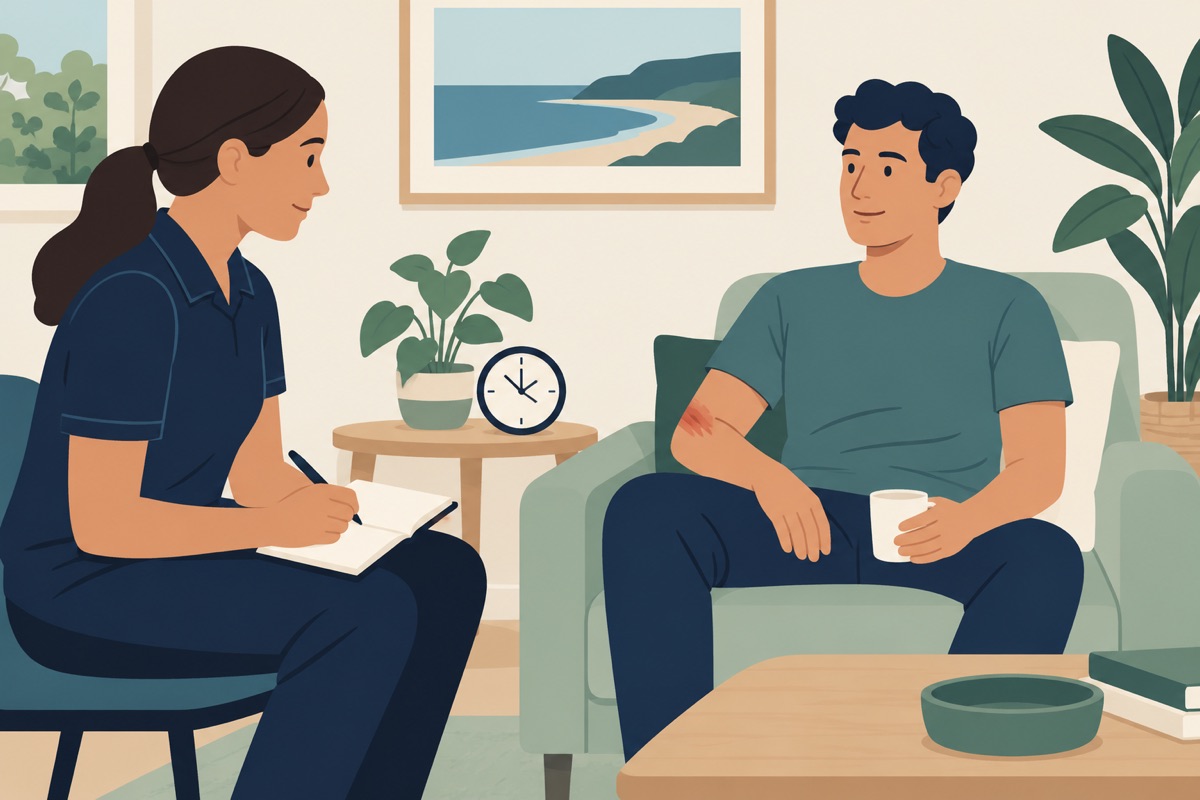
In first aid, skin integrity is about checking if the skin is unbroken and healthy or if there is any damage like a cut, scrape, blister, burn, or sore. When someone has an injury that breaks the skin, the body can get infected more easily. Damaged skin can also slow down healing and cause pain.
First aid helps protect skin integrity by cleaning and covering wounds to stop dirt and germs from entering. Making sure skin stays clean and cared for helps it heal faster and stops problems from getting worse.
Why Skin Integrity Is Important
The skin is our body’s first defence against germs and injury. When the skin is broken, bacteria can get in and cause infection. This may lead to redness, swelling, pain, and sometimes serious health problems.
Healthy, unbroken skin keeps the body safe. It also helps keep moisture inside the body, so we do not get too dry or too wet. When skin loses its good condition, small problems can become bigger quickly.
How Skin Works to Protect Us
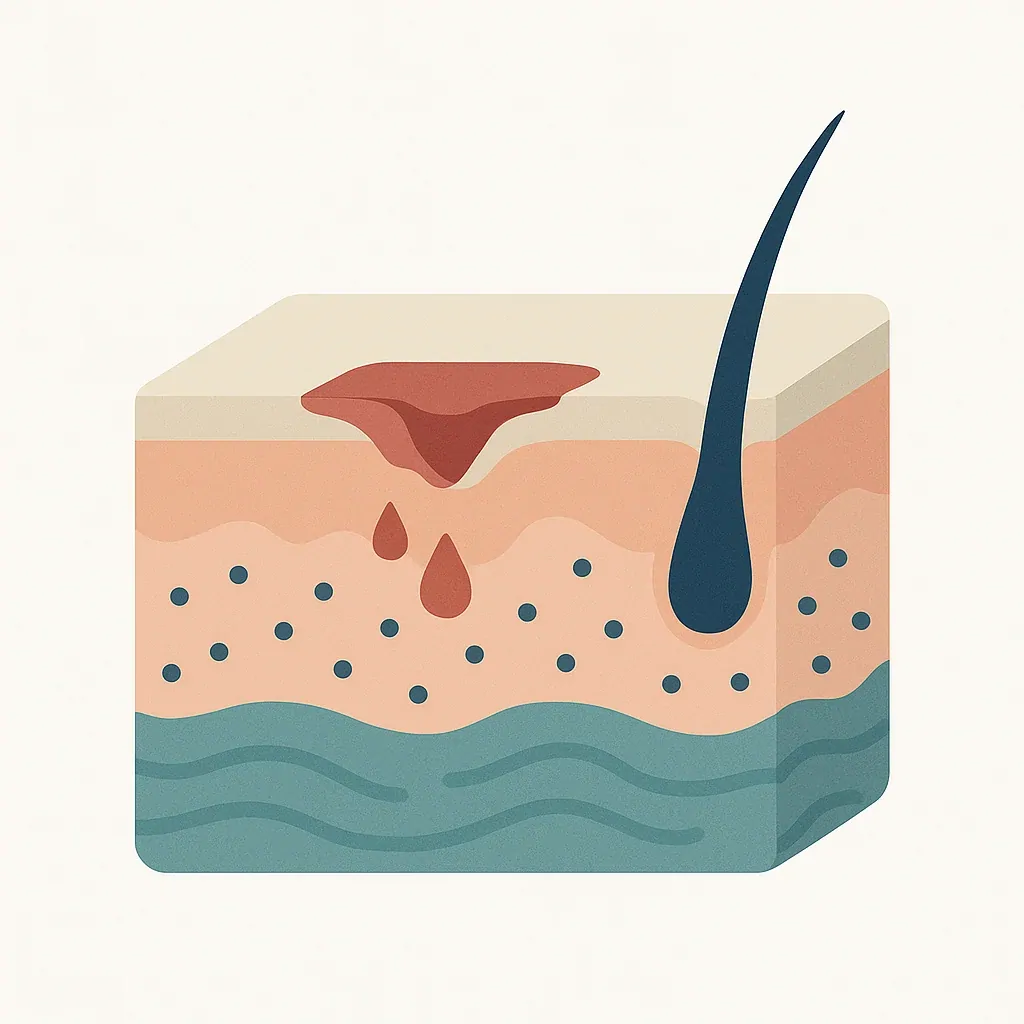
The skin is the largest organ of the body. It covers everything outside our body. Skin has several layers that work together to protect us.
The top layer is called the epidermis. It acts like a shield and stops germs from getting inside. Under that is the dermis, which has blood vessels, nerves, and oils to keep skin strong and flexible.
If the skin is cut, scraped, or burned, its layers are damaged. The body will try to heal that damage, but until then, the skin cannot protect properly.
Signs of Broken Skin or Damaged Skin Integrity
You can tell when skin integrity is damaged by seeing certain signs. These signs show that the skin is no longer protecting the body as well as it should.
Common signs include cuts, scrapes, blisters, burns, bruises, or sores on the skin. The skin may look red, swollen, or feel painful.
Sometimes you may see oozing or bleeding from a wound. The skin around the injury might feel warm or hot.
If the skin changes colour a lot, or if there is a bad smell or thick fluid, this might mean infection. Infection is when germs get into the body and multiply, causing more harm.
How to Protect Skin Integrity in Everyday Life
To keep skin healthy and strong, it is important to be gentle with your skin. Avoid rough scrubbing or picking at skin.
Wear clothes that protect skin when possible, like gloves or long sleeves if you will be outside or doing jobs that can hurt your skin.
Keep skin clean by washing with mild soap and water. Dry carefully and moisturise to stop skin getting too dry or cracked.
Eating healthy food and drinking enough water also helps keep skin healthy.
First Aid Actions Related to Skin Integrity
If you see broken or damaged skin, the main goal of first aid is to protect that area. Clean the wound with clean water to remove dirt. Avoid using harsh chemicals that can hurt the skin more.
Cover the wound with a clean dressing or bandage to keep germs out. The dressing should be loose enough to let the skin breathe but tight enough to protect the injury.
Watch for signs of infection like redness, swelling, pain, or oozing. If infection develops, it needs medical attention.
Try to keep the injured area still and raised if possible, to reduce swelling and bleeding.
When to Call Emergency Services
You should call emergency services in Australia by dialling 000 if the skin injury is very deep, bleeding heavily, or if you cannot stop the bleeding.
Also call for help if the injury is from an animal or human bite, a serious burn, or if the person feels very unwell after the injury.
If there are signs of infection that worsen quickly, such as spreading redness, fever, chills, or severe pain, call 000 or go to the nearest hospital.
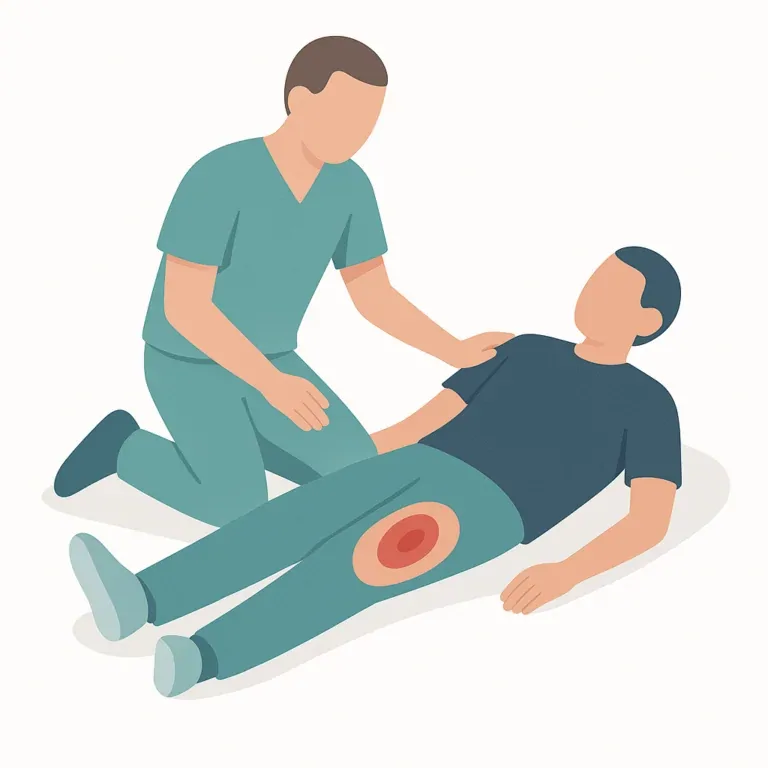
If you see broken skin and the person cannot move, is unconscious, or having difficulty breathing, call emergency services straight away.
General Safety Tips
Always protect your own safety first. Wear gloves if you are helping someone with a skin injury to avoid touching blood or body fluids.
Do not touch wounds with dirty hands. Wash your hands before and after giving first aid.
Keep sharp objects and dangerous materials away from children to avoid skin injuries.
Be calm and reassure the injured person, which can help reduce shock and keep them feeling safe.
Summary
Skin integrity means having skin that is whole and healthy without any breaks or damage. It is very important because the skin protects our body from germs and injuries.
In first aid, checking and caring for skin integrity helps stop infection and supports healing. Pay attention to cuts, scrapes, burns, or other skin damage and protect these areas with clean dressings.
If the injury is serious or bleeding won’t stop, or if there are signs of infection or severe illness, call emergency services right away by dialling 000.
By taking care of your skin every day and knowing what to do when skin is broken, you can help keep yourself and others safe and healthy.
Sources reviewed
Reviewed against current Australian first aid, emergency and public-health guidance by the First Aid Glossary Editorial Team. This article is general information and does not replace emergency-operator directions, professional medical advice or hands-on first aid training.