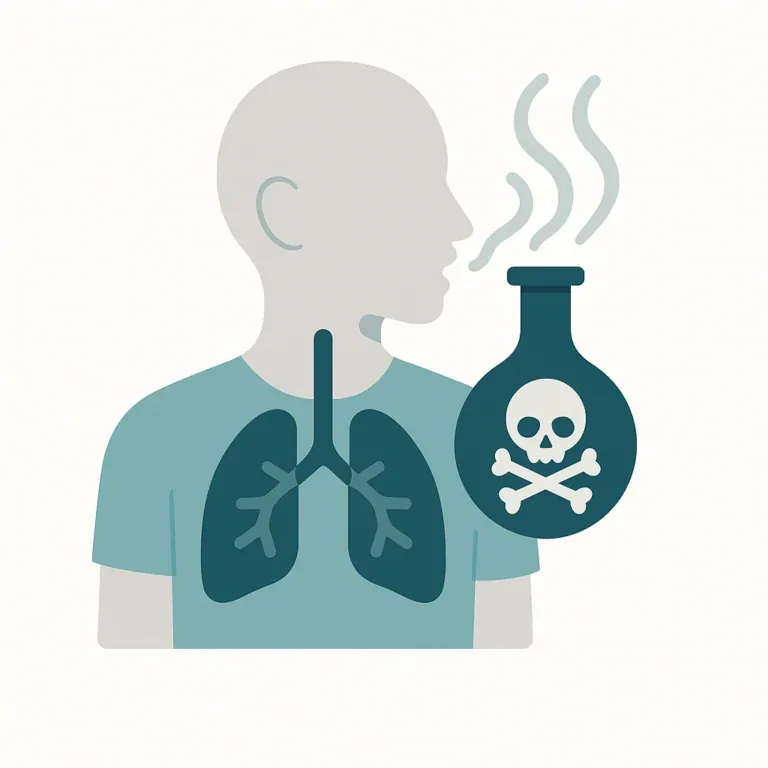
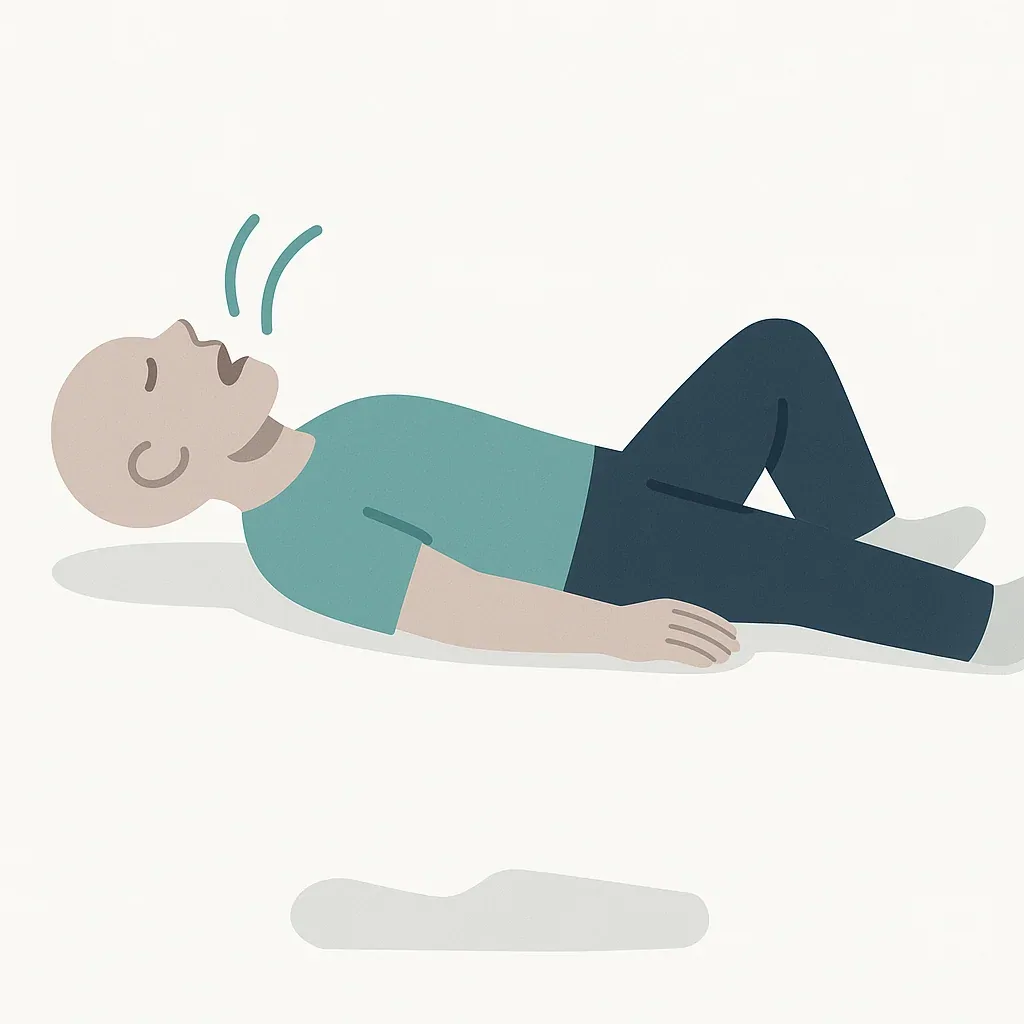

Agonal breathing is not normal breathing. It usually looks like slow, irregular gasping and is a sign of a life-threatening emergency. In first aid, treat agonal breathing as if the person is not breathing normally.
What does agonal breathing mean?
Agonal breathing can happen when the body is in critical trouble and the person is close to cardiac arrest or respiratory arrest.
It may look like:
- gasping
- weak, irregular breaths
- long pauses between breaths
- strange snoring or choking-like sounds
These breaths do not count as normal breathing.
Why is agonal breathing dangerous?
Agonal breathing means the person is not getting air in a normal, effective way. Even if you see occasional movement or hear a gasp, the person still needs urgent emergency action.
What should you do in first aid?
- Call
000or get someone else to call. - Check whether the person is Unresponsive.
- If they are unresponsive and only gasping or not breathing normally, start CPR immediately.
- Use an AED if one is available and follow the prompts.
Do not wait to see if the breathing settles on its own.
How is agonal breathing different from normal breathing?
Normal breathing is steady enough to support life.
Agonal breathing is abnormal, ineffective, and part of a medical emergency. It may trick bystanders into thinking the person is still breathing properly, but it should be treated as an emergency.
How is it related to respiratory arrest?
Respiratory Arrest means breathing has stopped. Agonal breathing may happen just before or during that collapse phase, which is why it must not be mistaken for normal breathing.
Quick answer
Agonal breathing is abnormal gasping, not normal breathing. If the person is unresponsive and only gasping, call 000 and start CPR immediately.
How this page is checked
Publisher: First Aid Glossary Editorial Team
Last reviewed: 9 August 2026
Reviewed against: ANZCOR Guideline 5 – Breathing and Healthdirect Australia CPR guidance.
This page is educational and explains first aid language in plain English. It is not personal medical advice, diagnosis, or a replacement for accredited first aid training. In an emergency in Australia, call Triple Zero (000).