
Quick answer: Respiratory arrest means breathing has stopped. It is a life-threatening emergency. If the person is unresponsive and not breathing normally, call Triple Zero (000), start CPR and use an AED as soon as one is available.
What does respiratory arrest mean?
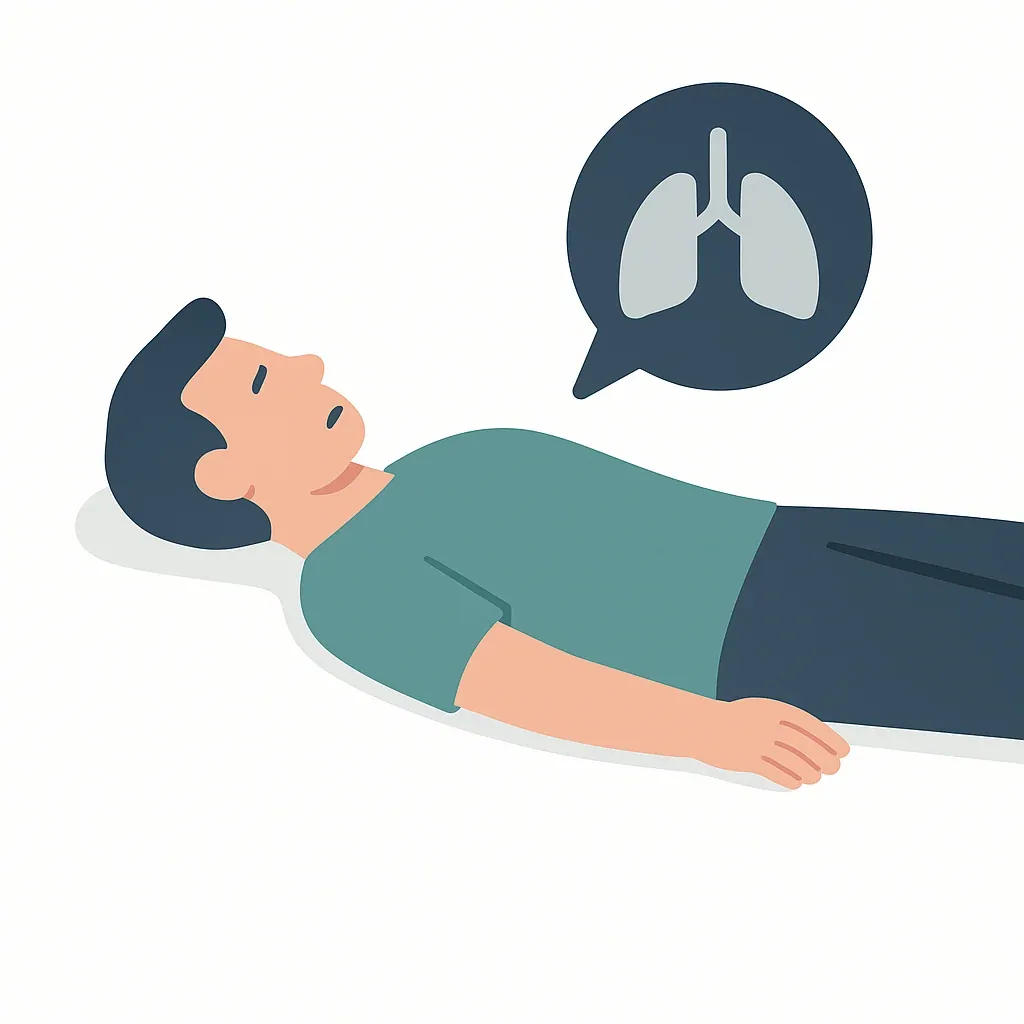
Respiratory arrest is the complete absence of normal breathing. It may occur before or with cardiac arrest and needs immediate resuscitation. A person who is unresponsive and only gasping or breathing abnormally should be treated as not breathing normally.
What should you look for?
After checking that it is safe to approach, assess response and normal breathing. Look for movement of the upper abdomen or lower chest, listen for air from the nose or mouth, and feel for air movement. Do not mistake occasional gasps for normal breathing.
What should a first aider do?
- Follow DRSABCD and make the area safe.
- Call Triple Zero (000), or ask someone else to call and bring an AED.
- Open the airway and check for normal breathing.
- If the person is unresponsive and not breathing normally, start CPR immediately.
- Attach the AED as soon as it is available and follow its prompts.
ANZCOR says CPR should start with chest compressions. If you are trained and willing to give rescue breaths, include them as part of the CPR response. Keep interruptions to compressions as short as possible.
How is respiratory arrest different from respiratory failure?
Respiratory failure means breathing is severely impaired and can progress to collapse. Respiratory arrest means normal breathing has stopped, so immediate resuscitation is required. Both require urgent medical care.
What can lead to respiratory arrest?
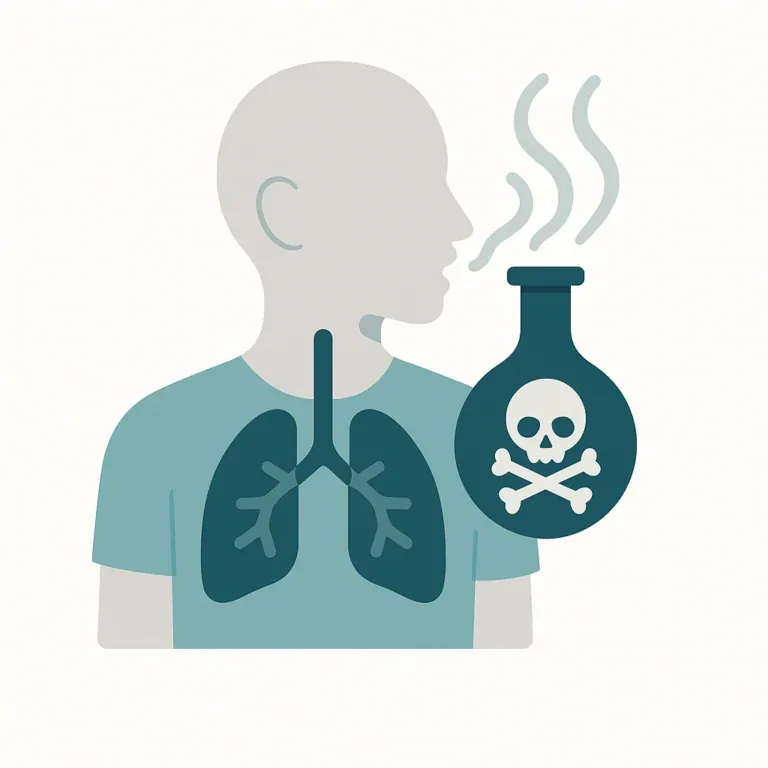
It can follow airway obstruction, drowning, overdose, severe illness or major injury. The cause does not change the immediate bystander priority: recognise the emergency, call for help and start the appropriate CPR response.
When should CPR stop?
Continue until the person responds or starts breathing normally, a health professional takes over, you are unable to continue, or a health professional directs you to stop.
Related first aid terms
See CPR, Agonal Breathing, Unresponsive and Respiratory Failure.
How this page is checked
Publisher: F.A.G. Editorial Team
Last reviewed: 9 August 2026
This page is general information, not a substitute for current first aid training or instructions from emergency services.