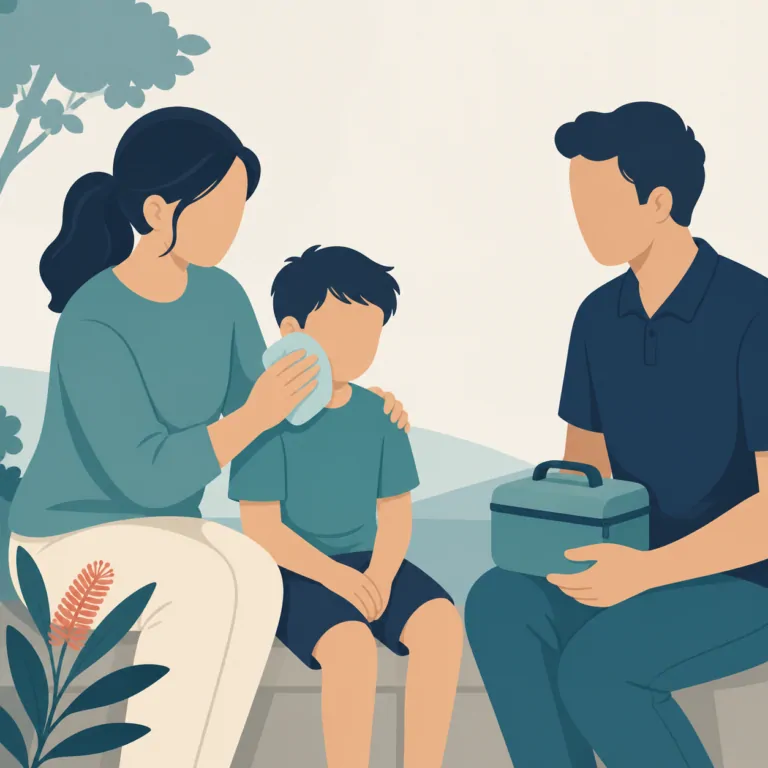
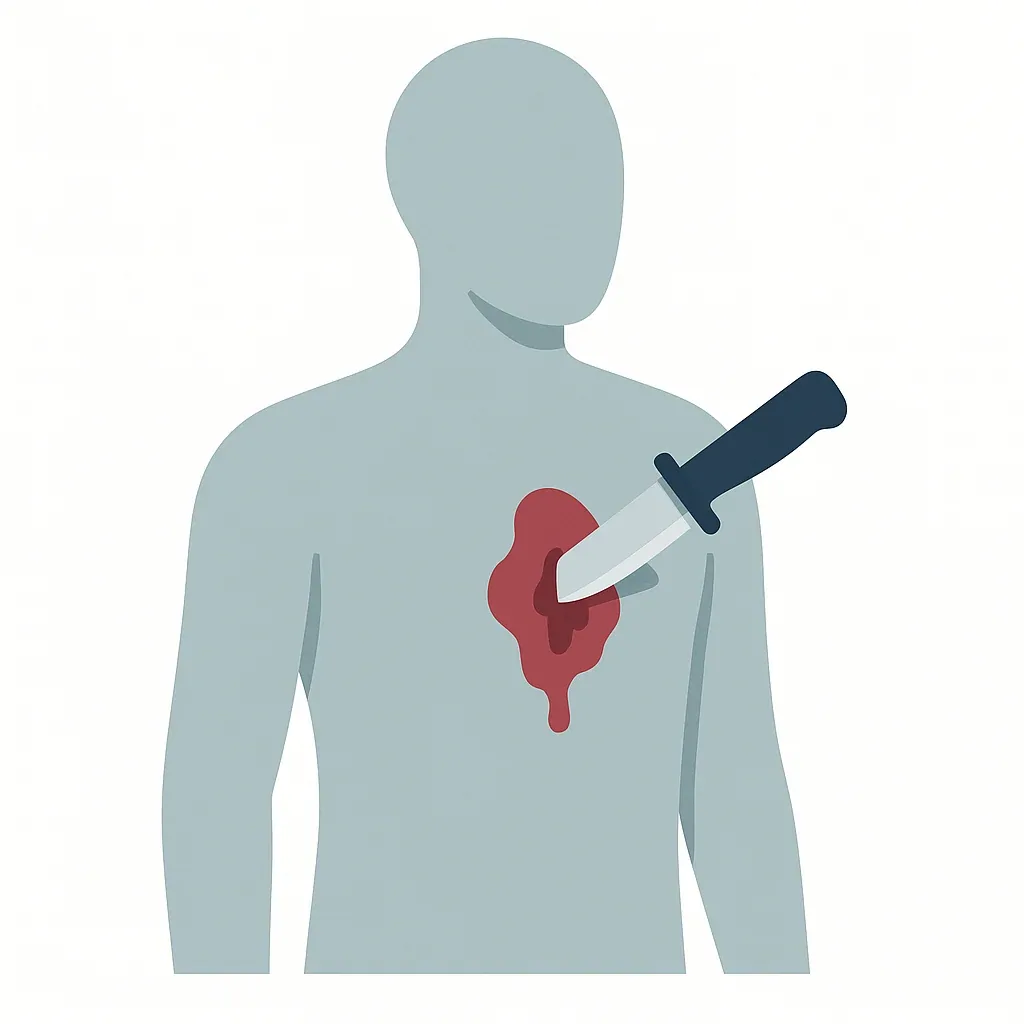

Impalement happens when a sharp object, like a stick, metal rod, or glass, goes deep into a person’s body and stays there. This can happen during accidents, falls, or if someone accidentally falls onto something sharp. The sharp object stays stuck inside the skin and inside the body.
In first aid, impalement is a very serious injury. It needs careful help right away because the object can hurt important body parts inside, like blood vessels, organs, or bones. It can also cause a lot of pain and bleeding. Knowing what to do can help keep the person safe until professionals arrive.
When someone is impaled, you might see the sharp object sticking out from their body. The area around it may bleed or look swollen. The person might be very scared and in pain. They may also have trouble moving or may feel weak or dizzy if they lose a lot of blood. In some cases, the object might enter places like the chest, abdomen, or even the head, making the injury even more dangerous.
It is very important not to take the object out. Removing it can cause more damage. The sharp object might be stopping bleeding by pressing on blood vessels inside. Taking it out could cause heavy bleeding that is hard to control.
Why it matters in first aid
Your job in first aid is to keep the person as calm and still as possible. Try to stop any bleeding by gently pressing around, but not on, the object itself. You can use clean cloth or bandages to protect the injured area. If you can, support the sharp object so it doesn’t move or hurt the person more.
If the object is very large and sticking out, you may be able to gently pad around it. This means putting rolled-up cloth or soft material around the object to keep it steady. Be very careful and do not push or pull on the object.
Always check the person’s breathing and level of response. If they become unconscious or stop breathing, emergency help is needed immediately. Call triple zero (000) in Australia for an ambulance right away in serious cases like impalement.
While waiting for help to arrive, try to keep the person warm and comfortable. Talk to them calmly and reassure them that help is on the way. Encourage them not to move or try to remove the object themselves.
When to call 000
If the object is in a place that may make it hard to breathe, like the chest or neck, the person may have trouble breathing or coughing up blood. This is especially dangerous, and emergency services must be called fast.
If the impalement is on a limb like an arm or leg, try to support the limb without moving it too much. Keep the injured limb still and lower than the heart if possible, but only if this does not cause more pain or distress.
Always protect yourself too. If blood is present, wear gloves if you have them to avoid contact with blood and reduce the risk of infection.
Impalement injuries often cause a lot of bleeding, but do not try to pull out the object to stop the bleeding. Instead, apply pressure gently around the wound to help slow down the bleeding. If the bleeding soaks through the cloth or dressing, add more layers on top instead of removing the first one.
Calling emergency services is very important with impalement injuries. You should always call 000 in Australia for an ambulance whenever a sharp object stays stuck inside the body or the injury is severe. The ambulance staff have special tools and training to safely remove the object and get the person to hospital quickly.
Remember, your main goal as a first aider for impalement is to keep the person still, calm, and safe until experts arrive. Do not try to remove the object or fix the injury yourself. Quick and careful action can make a big difference in helping the person recover.
Summary
In summary, impalement means a sharp object has gone deep into the body and stayed there. It is very serious because it can cause heavy bleeding, damage to important body parts, and intense pain. First aid focuses on not moving the object, gently stopping bleeding around it, keeping the person still, and calling emergency services quickly. Always keep the injured person calm and wait for professional help to arrive.
By knowing what to do, you can help keep someone safe in a scary situation and support them until they get the medical care they need.
Sources reviewed
- Healthdirect: wounds, cuts and grazes
- ANZCOR Guideline 9.1.1: first aid for management of bleeding
- Triple Zero: official emergency calling guidance
Reviewed against Australian first aid and emergency guidance by the First Aid Glossary Editorial Team. This article is general information and does not replace emergency-operator directions, professional medical advice or hands-on first aid training.