
A blood pressure emergency happens when someone’s blood pressure becomes dangerously high or dangerously low. Blood pressure is the force of the blood pushing against the walls of the blood vessels as the heart pumps it around the body. It is important because it helps to move blood, carrying oxygen and nutrients to organs and muscles that need them.
In a blood pressure emergency, the body cannot work properly because the blood flow is either too strong or too weak. This can cause serious problems, sometimes life-threatening, so it is important to act quickly and carefully.
What is Blood Pressure?
Blood pressure is measured with two numbers. The first number is called systolic pressure. It shows how hard the blood pushes against the blood vessels when the heart beats. The second number is diastolic pressure. It shows the pressure when the heart is resting between beats.
A healthy blood pressure reading is usually around 120/80. If the blood pressure goes much higher or lower than this, it can cause problems. The heart and other parts of the body may not get the blood flow they need.
What Happens in a Blood Pressure Emergency?
A blood pressure emergency can happen in two ways. The blood pressure can go very high, which is called a hypertensive emergency, or it can drop very low, called a hypotensive emergency.
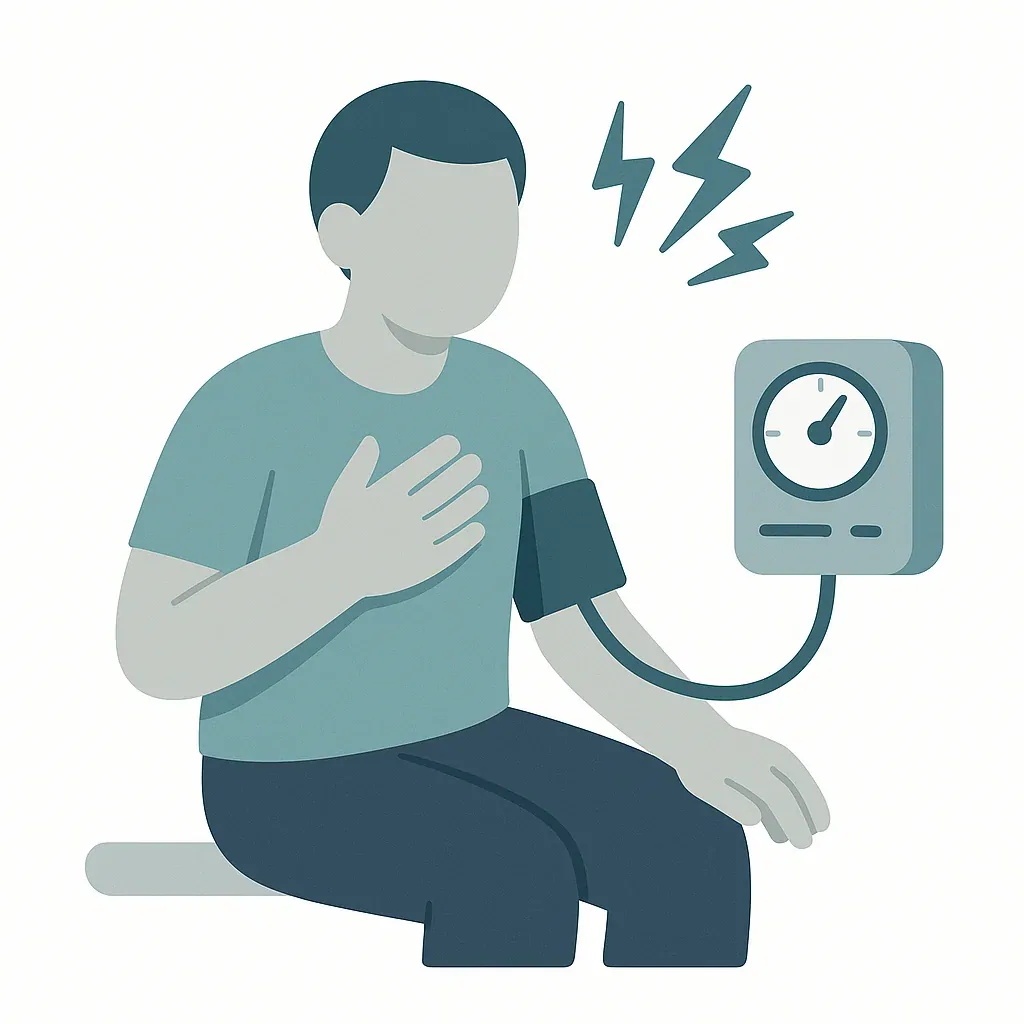
If the blood pressure is too high, the heart has to work too hard. The blood vessels can be damaged. This puts stress on the brain, heart, kidneys, and eyes. Very high blood pressure can cause headaches, dizziness, blurred vision, or chest pain. It may also lead to a stroke, heart attack, or other serious health problems.
If the blood pressure is too low, the blood may not flow well enough to the body’s organs. This can cause weakness, fainting, confusion, or cold, clammy skin. When the brain and other organs do not get enough blood, it is very dangerous and needs quick care.
Signs You Might See in a Blood Pressure Emergency
Because blood pressure problems affect how blood flows in the body, different signs can show. Some things you might notice include:
- Headache, especially a very bad one that comes suddenly – Feeling dizzy, light-headed, or faint – Blurred or double vision – Chest pain or tightness – Shortness of breath or trouble breathing – Weakness or numbness in one part of the body – Confusion or trouble speaking – Cold, pale, or clammy skin – Rapid or very slow heartbeat – Severe anxiety or feeling very restless
- These signs can be serious. If you see any of these, it is best to ask for help right away.
What to Do in a Blood Pressure Emergency
If someone is having a blood pressure emergency, your main job is to keep them safe and get help quickly.
First, help the person sit or lie down in a comfortable position. This can stop them from falling or hurting themselves if they feel dizzy.
Try to keep the person calm and still. Moving around may make symptoms worse.
If the person is awake, ask them about any medical problems they have, like high blood pressure or heart disease, and if they are taking any medicine for it.
Do not give the person anything to eat or drink unless a healthcare worker says it is okay.
Call emergency services by dialing 000 if the person has serious symptoms. This includes chest pain, trouble breathing, weakness on one side of the body, sudden worse headache, confusion, loss of consciousness, or if they collapse.
While waiting for help, watch the person closely for any changes. If they stop breathing or lose their pulse, be prepared to start first aid like cardiopulmonary resuscitation (CPR) if you know how.
General Safety Tips
Remember, blood pressure emergencies can be very serious and sometimes life-threatening.
Always call 000 if you are worried about someone’s health or if the situation looks dangerous.
Do not try to treat a blood pressure emergency by giving medicine yourself. Medicines for blood pressure need to be carefully given by trained health workers.
Stay calm and speak clearly when calling for help. Give the exact location and describe the person’s condition as best you can.
While waiting for emergency services, keep the person as comfortable as possible, and stay with them.
Why Understanding Blood Pressure Emergencies Matters
Knowing about blood pressure emergencies can help you act quickly and confidently. Many people have problems with blood pressure, so it is important to know the signs that something is wrong.
Helping someone early can save a life. It also helps avoid worse damage to the brain, heart, and other organs.
Remember, a blood pressure emergency is a medical emergency. The best thing to do is to get professional help fast, stay with the person, and keep them safe until help arrives.
Summary
A blood pressure emergency happens when blood pressure is too high or too low and causes serious health problems. It can affect how well blood flows through the body, which is very important for all organs to work properly.
Signs can include headache, dizziness, chest pain, weakness, confusion, and breathing problems.
If you see these signs, help the person sit or lie down, keep them calm, and call 000 for emergency help right away.
Do not give food, drinks, or medicines unless told by a professional.
Stay safe, stay calm, and get help quickly. Knowing about blood pressure emergencies can save lives and keep people safe in an emergency.
Sources reviewed
- Healthdirect: circulatory system and blood pressure
- Healthdirect: collapsing
- Triple Zero: official emergency calling guidance
Reviewed against current Australian cardiac, first aid and emergency guidance by the First Aid Glossary Editorial Team. This article is general information and does not replace emergency-operator directions, professional medical advice or hands-on first aid training.