
- First aid while travelling definition
- Prepare before leaving home
- Pack a compact travel first aid kit
- Know your location
- Managing minor injuries on the move
- Heat, sun and dehydration
- Food, water and illness
- Children, older people and individual care plans
- Flying and travelling overseas
- When to call emergency services
- Related glossary terms
- Sources reviewed
First aid while travelling definition
First aid while travelling is the immediate care and emergency planning used when someone becomes injured or unwell away from home. It includes a compact, suitable kit, access to essential medicines, local emergency information and a calm plan for getting professional help.
Travel changes the context of a minor problem. You may be in an unfamiliar suburb, on a long road trip, in accommodation without supplies, in a different country or responsible for children in a busy place. A useful travel plan does not try to anticipate every diagnosis. It gives you the information and basics needed to make safe decisions quickly.
Prepare before leaving home
Start with a short health and contact list. Include regular medicines, allergies, important health conditions, emergency contacts and the name of the person’s usual doctor or care provider if relevant. Keep sensitive information private, but make sure a responsible travelling companion can find what they need in an emergency.
Pack enough prescribed medicine for the trip plus reasonable allowance for delays. Keep it in original packaging, carry it in hand luggage when flying and avoid leaving it in a hot car. Do not share prescription medicines, even when someone has symptoms that seem similar. A medicine that is routine for one person can be dangerous for another.
Check where you are staying and how you will contact help. In Australia, Triple Zero (000) is for life-threatening or time-critical emergencies. When travelling overseas, learn the local emergency number before you need it and save the address of your accommodation in a format that can be shown to a taxi driver or emergency operator.
Pack a compact travel first aid kit
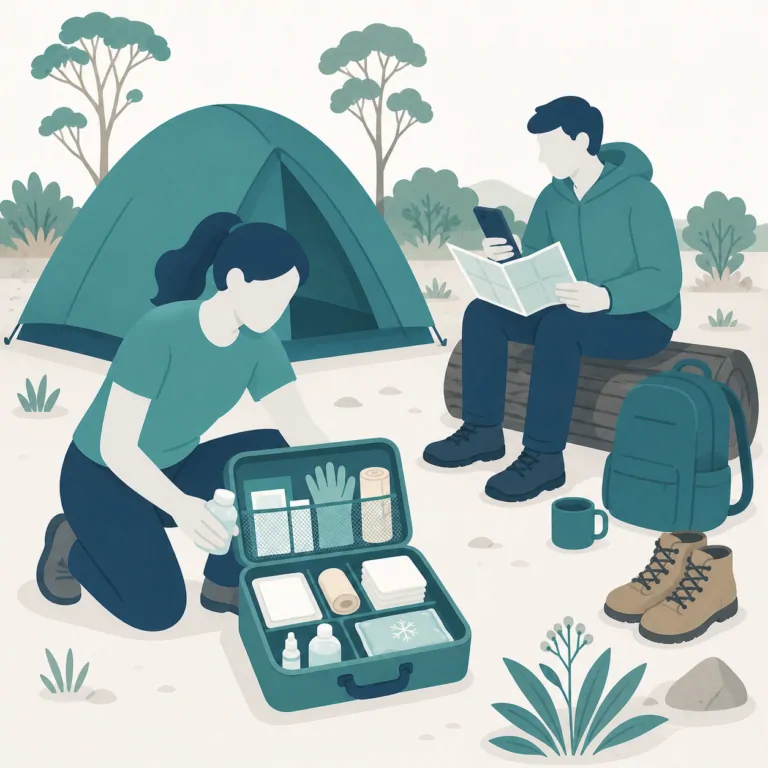
A travel kit should be small enough to carry but complete enough for common first aid tasks. Include disposable gloves, sterile dressings, adhesive strips, gauze, tape, a small bandage, saline, a cold pack, a thermal blanket, scissors, tweezers and a basic first aid guide. Add sun protection, insect protection and a water bottle where they suit the trip.
Keep the kit dry and easy to reach. A family should not have to unpack every suitcase to find a dressing. In a car, secure it so it does not become a projectile in a sudden stop. In a day bag, protect it from sand, rain and food spills.
Use only items you understand. A kit is not a substitute for professional advice, and it should not encourage someone to handle a deep wound, serious burn, major allergic reaction, severe bleeding or suspected fracture alone. The emergency number, a working phone and an accurate location are often the most important “supplies.”
Know your location
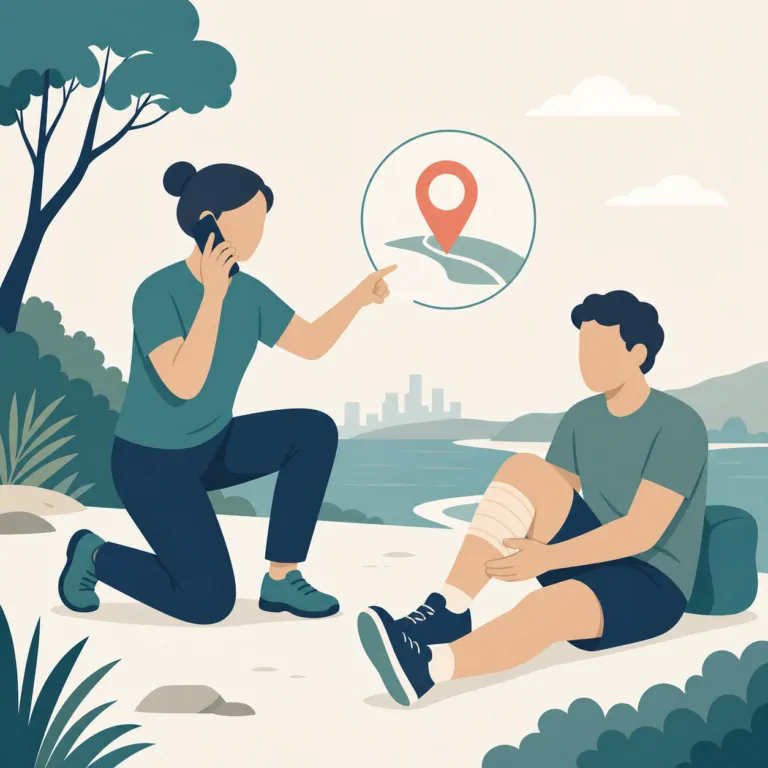
When travelling, location can be the hardest question in an emergency. Make a habit of noticing the hotel name, street address, nearest cross street, road number, campsite, trailhead or landmark. Take a photo of an address sign if appropriate. If travelling by car, know the road name, direction of travel and last town or kilometre marker.
If you call Triple Zero (000), stay calm, say whether you need ambulance, police or fire, then give the clearest location you can. Do not assume a phone’s map location is always enough. An operator may need details about building entrances, room numbers, a gate, level or where a vehicle can safely stop.
Assign one companion to meet emergency services if possible. This keeps the first aider free to stay with the unwell person and prevents responders losing time at a large hotel, festival, car park or unfamiliar driveway.
Managing minor injuries on the move
For a small cut or graze, wash hands, use gloves if available and apply direct pressure with a clean dressing. Once bleeding is controlled, rinse visible dirt away with clean running water and cover the wound. Watch for increasing redness, warmth, swelling, pus, fever or worsening pain.
For a minor soft-tissue injury, stop the activity, support the area and use a cloth-wrapped cold pack for short periods of comfort. Do not place ice directly on skin and do not continue walking, skiing, swimming or sightseeing simply because a cold pack reduces pain for a moment.
Seek assessment for deep or contaminated wounds, bites, punctures, wounds with embedded material, inability to use a limb, severe pain, deformity, numbness or a condition that worsens during travel. It can be tempting to wait until you are home, but delay may make an injury harder to treat.
Heat, sun and dehydration
Travel often means more time outdoors, long drives, queues, walking and disrupted routines. Drink water regularly, wear sun-protective clothing, use shade and plan activity for cooler times. Children, older people and people with health conditions can become unwell quickly in heat.
Look for headache, dizziness, nausea, cramps, weakness, confusion, collapse or a person who does not improve with cooling and rest. Heatstroke is a medical emergency: call for help, move the person to a cool place and begin active cooling while following emergency advice.
Sunburn is not just an inconvenience. Move out of the sun, cool the skin with cool water, drink fluids and avoid further exposure. Seek medical advice for blistering, severe pain, fever, dehydration, a large affected area or sunburn in a baby or young child.
Food, water and illness
Changes in food, water, sleep and routine can cause stomach upset or worsen an existing condition. Encourage fluids where appropriate, rest and safe food handling. Do not give anti-diarrhoea medicines, antibiotics or other treatments to a child or vulnerable person without suitable professional advice.
Seek medical help early if someone cannot keep fluids down, has severe or persistent pain, blood in vomit or stool, signs of dehydration, high fever, confusion, a stiff neck, a rash with illness or worsening symptoms. Babies, pregnant people, older people and those with chronic illness need a lower threshold for seeking advice.
For a suspected poisoning in Australia, call the Poisons Information Centre on 13 11 26. Do not make someone vomit or give food, drink or a home remedy unless advised. Keep the product or packaging when it is safe to do so.
Children, older people and individual care plans
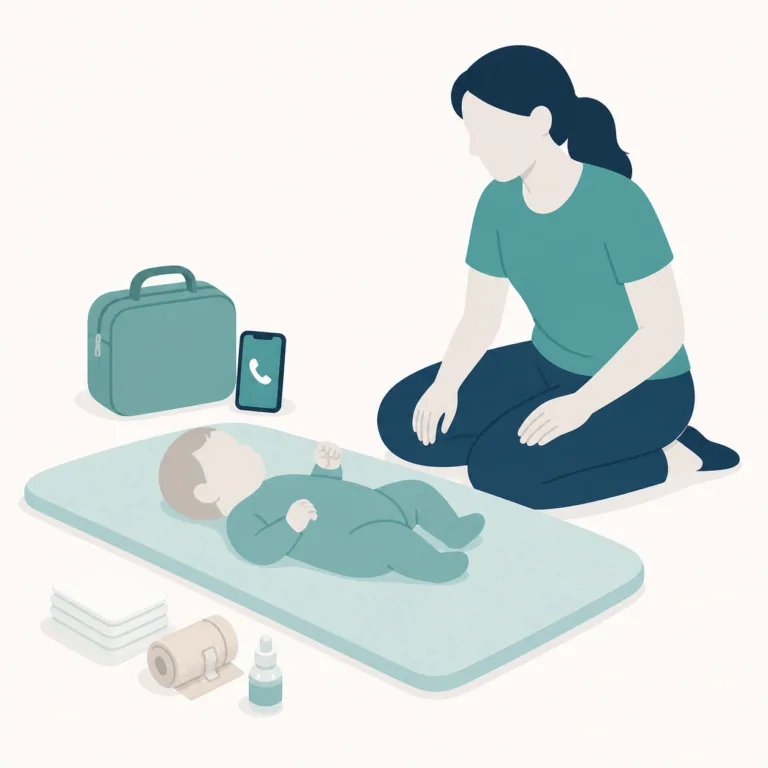
Travelling with children needs more than a smaller first aid kit. Carry current emergency contacts, check car seats and water safety, and keep medicines and small hazards secured. Teach older children how to identify a trusted adult and say their full name and location, but do not ask them to perform adult-level first aid.
Older people may be more affected by heat, falls, disrupted medicines and unfamiliar surroundings. Build in rest stops, ensure glasses and mobility aids are accessible and consider whether accommodation has safe lighting and bathroom access.
If someone has asthma, diabetes, severe allergies, epilepsy or another condition with an individual plan, review it before leaving. Make sure companions know what an emergency looks like, where prescribed medicine is stored and when to call for help. Do not improvise with another person’s medication.
Flying and travelling overseas
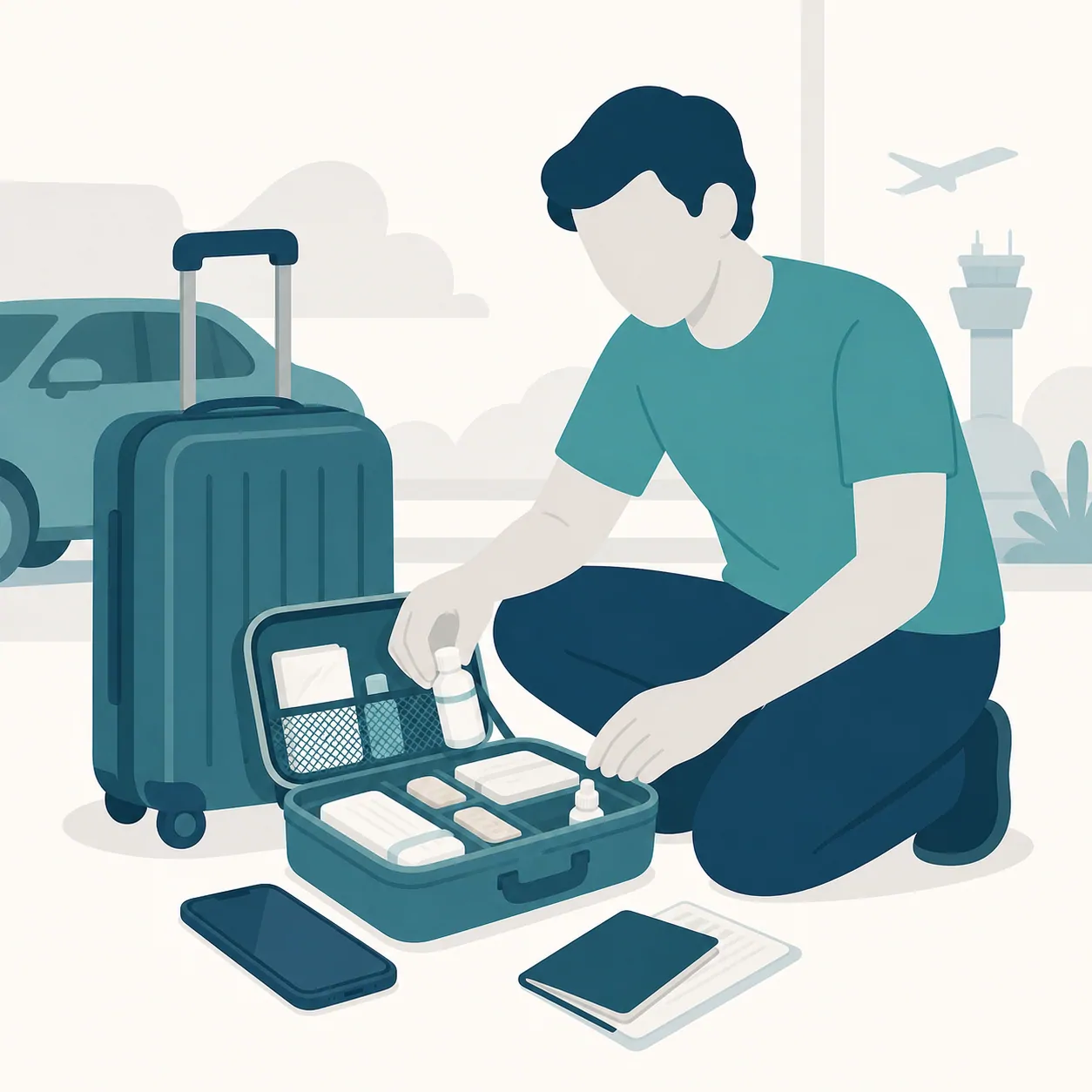
When flying, take essential medicine, a compact kit and important documents in carry-on luggage. Keep liquids and equipment consistent with airline and security rules. If someone becomes unwell in flight, tell cabin crew early; they have procedures and can arrange help on arrival.
Before international travel, review destination-specific health advice with a qualified clinician or travel-health service, especially for vaccines, medications, pregnancy, babies and existing conditions. Know your insurer’s emergency assistance number, but do not wait for an insurance call before contacting local emergency services in a life-threatening situation.
Language can be a barrier. Save the address of your accommodation, a local emergency phrase or a translation tool offline where possible. Speak slowly, state the problem plainly and ask for an interpreter if the emergency service can provide one.
When to call emergency services
Call Triple Zero (000) in Australia for an unresponsive person, someone not breathing normally, severe bleeding, a serious injury, severe allergic reaction, chest pain with concerning symptoms, serious burn, major head injury, heatstroke or a rapidly worsening condition. Stay on the line and follow the operator’s instructions.
When overseas, use the local emergency number. If you are unsure how to access medical care, hotel staff, transport staff, police, local health lines or your insurer may help direct you—but emergencies should go to emergency services first.
Related glossary terms
- First Aid Kit
- Calling Triple Zero (000)
- Heat-Related Emergencies
- Poisons Information Centre
- First Aid for Kids
Sources reviewed
- Healthdirect Australia: first aid advice
- Smart Traveller: health and travel advice
- Triple Zero (000): emergency calling information
- ANZCOR: first aid guidelines
Reviewed against Australian first aid and emergency guidance by the First Aid Glossary Editorial Team. This article is general information and does not replace emergency services, professional medical advice or hands-on first aid training.