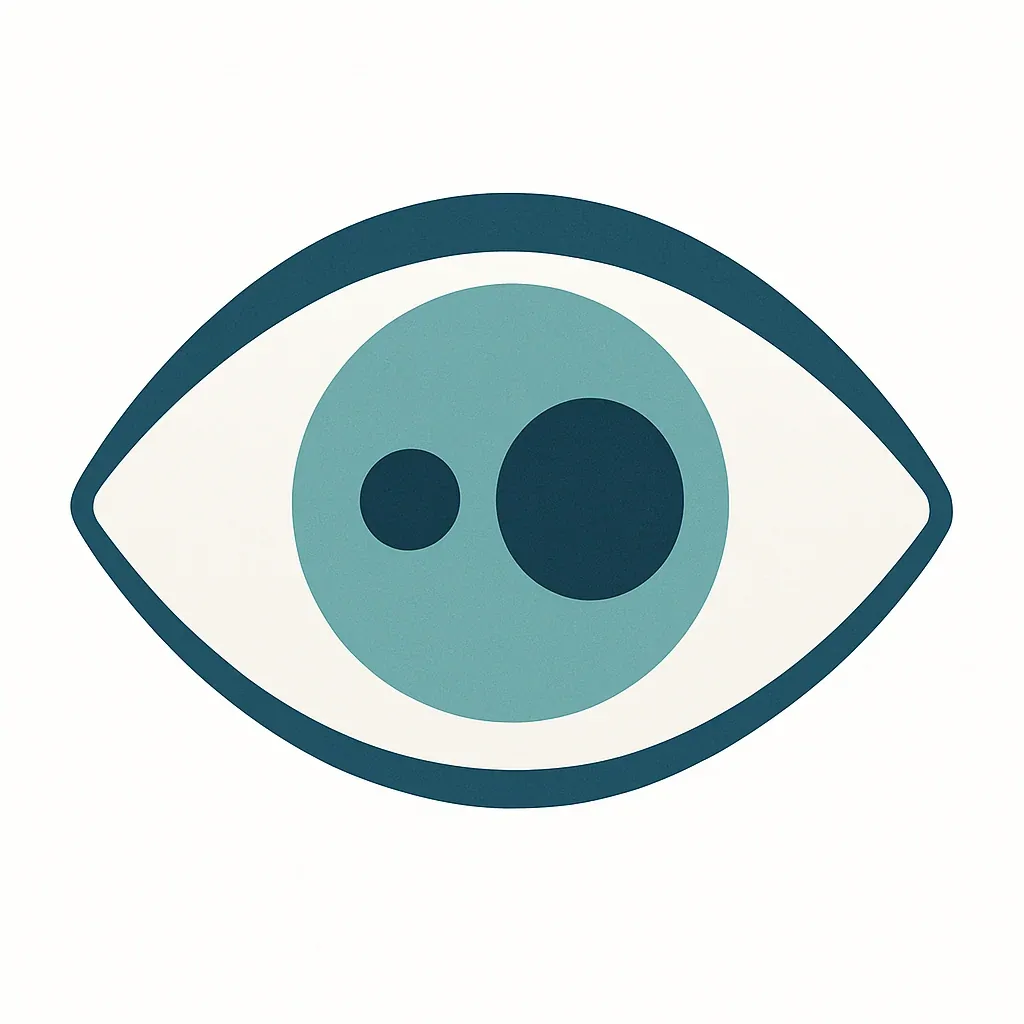

Unequal pupils happen when the black round parts in the middle of a person’s eyes look different in size. These black parts are called pupils. Usually, both pupils are about the same size, but sometimes one pupil is bigger or smaller than the other. This difference in size is called “unequal pupils.”
Unequal pupils can be a sign that something is wrong with the person’s body, especially their brain or nervous system. It can mean there is an injury or illness that needs medical help. Sometimes, unequal pupils happen because of an eye problem or even bright light in one eye, but other times it can be more serious.
What Pupils Do
Pupils let light into the eyes. When it is bright, pupils get smaller to protect the eyes. When it is dark, pupils get bigger to help see more. Both pupils usually get smaller or bigger at the same time. This shows the brain and eyes are working well together.
When one pupil is a different size from the other, it can mean the brain or nerves that tell the eyes how to work might be hurt or not working right. This is why unequal pupils are important to notice.
What Unequal Pupils Mean in First Aid
Seeing unequal pupils is important if someone may have a head injury or are very sick. It can be a sign that there is swelling, bleeding, or damage to the brain. This could happen after a fall, a bump to the head, or if someone has a very bad headache or other health problems.
Unequal pupils can also happen if the person has a stroke, which means the brain does not get enough blood. Or if they have a serious infection, or a high temperature. Sometimes, drugs or medicines can cause one pupil to be different in size.
What You Might Notice
If you look closely at someone’s eyes, you might see one pupil looks bigger or smaller than the other. It might not be easy to see in bright light, but usually, if you look in dim light, the difference is clearer. You may also notice the person’s eyes do not react the same way to light.
The person might look confused, sleepy, have a headache, be weak, have trouble speaking, or be unconscious. These symptoms with unequal pupils mean you need to act fast.
What to Do if You See Unequal Pupils
If you notice someone has unequal pupils, check if they have other signs of injury or illness. Ask if they hit their head or feel sick. Look for other changes like difficulty moving, speaking, or if they lose consciousness.
If the person is hurt, feeling very unwell, or the pupils became unequal suddenly, call emergency services right away by dialling 000. This is important even if you are not sure how serious it is.
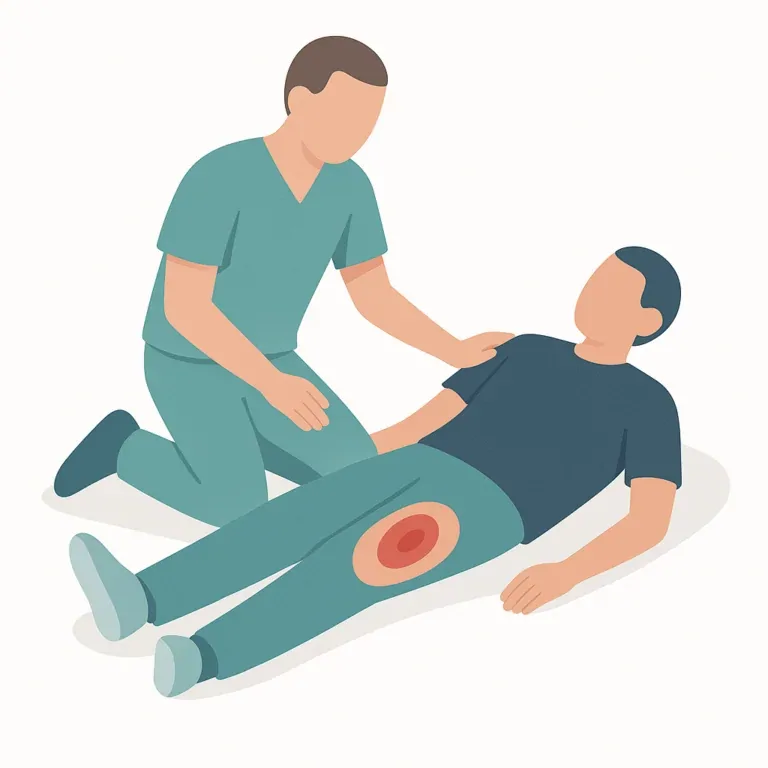
While waiting for help, make sure the person is safe and comfortable. Do not give them anything to eat or drink. Keep them still and calm. If they are unconscious but breathing, place them in the recovery position to keep their airway clear and open.
If the person stops breathing or their heart stops, begin CPR if you know how. CPR is a way to help keep blood moving and give oxygen to the brain until the ambulance arrives.
General Safety Tips
Always protect yourself and the person you are helping. If the person is injured and there is bleeding, wear gloves if you have them. Be careful when moving someone who is hurt unless they are in danger where they are.
Never ignore unequal pupils if they happen after a head injury or with other serious symptoms. Quick action can save lives.
Call 000 immediately if the person has unequal pupils with:
– Loss of consciousness or unresponsiveness
– Weakness or numbness on one side of the body
– Difficulty speaking or understanding speech
– Seizures or convulsions
– Severe headache or vomiting
– Trouble breathing or chest pain
Why Unequal Pupils Matter
Unequal pupils mean the body might be in trouble, especially the brain. Your brain controls everything you do, so protecting it is very important. The pupils give clues about how the brain is working. When they are uneven, it often tells us something needs urgent care.
If you notice unequal pupils, do not wait or ignore it. Call for emergency help and stay with the person to keep them safe. You are doing the right thing by helping someone who may be in a serious situation.
Remember, most times unequal pupils happen in emergencies where a doctor’s care is needed quickly. Knowing what to watch for and when to call 000 could save a life.
Summary
Unequal pupils mean the black centers of the eyes are different sizes. This can be a sign of serious illness or injury affecting the brain or nervous system. It is important to watch for other symptoms and get emergency help fast. Stay calm, keep the person safe, and call 000 if the problem came on suddenly or is with other serious signs. Your quick action can help protect the person’s brain and life.
Sources reviewed
Reviewed against current Australian first aid, emergency and public-health guidance by the First Aid Glossary Editorial Team. This article is general information and does not replace emergency-operator directions, professional medical advice or hands-on first aid training.