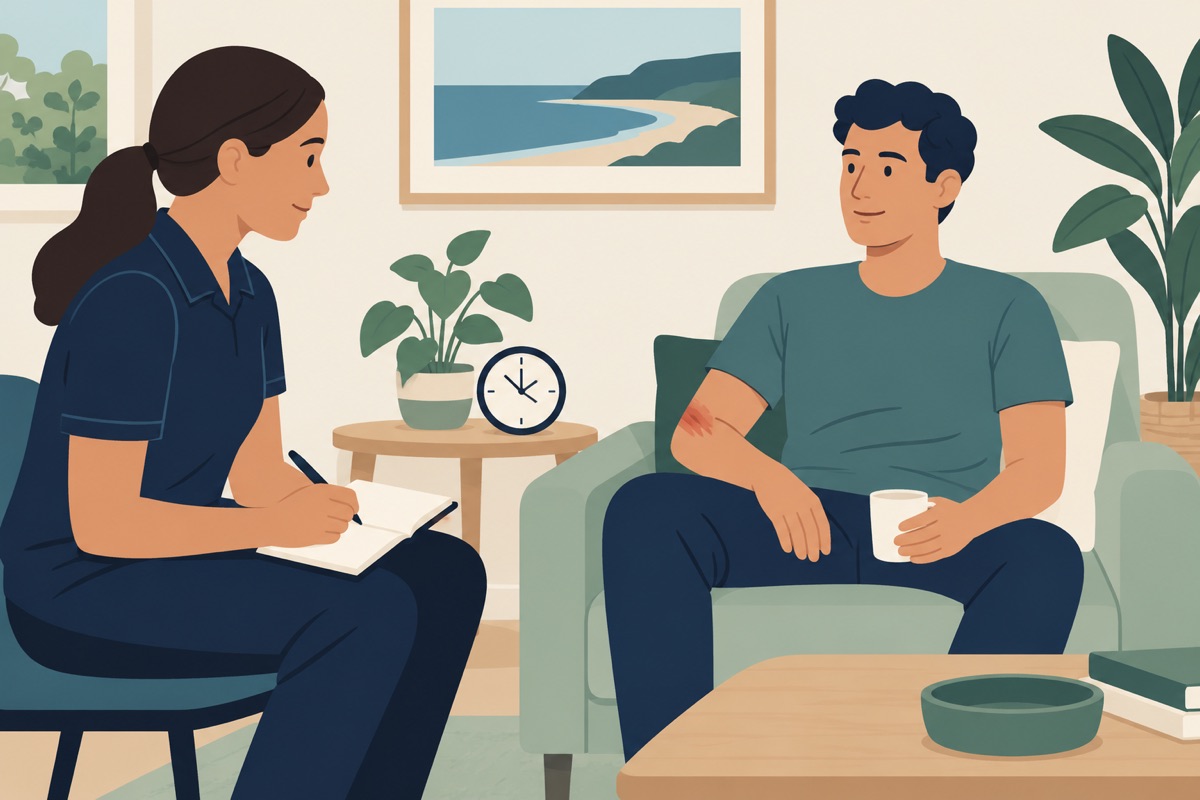
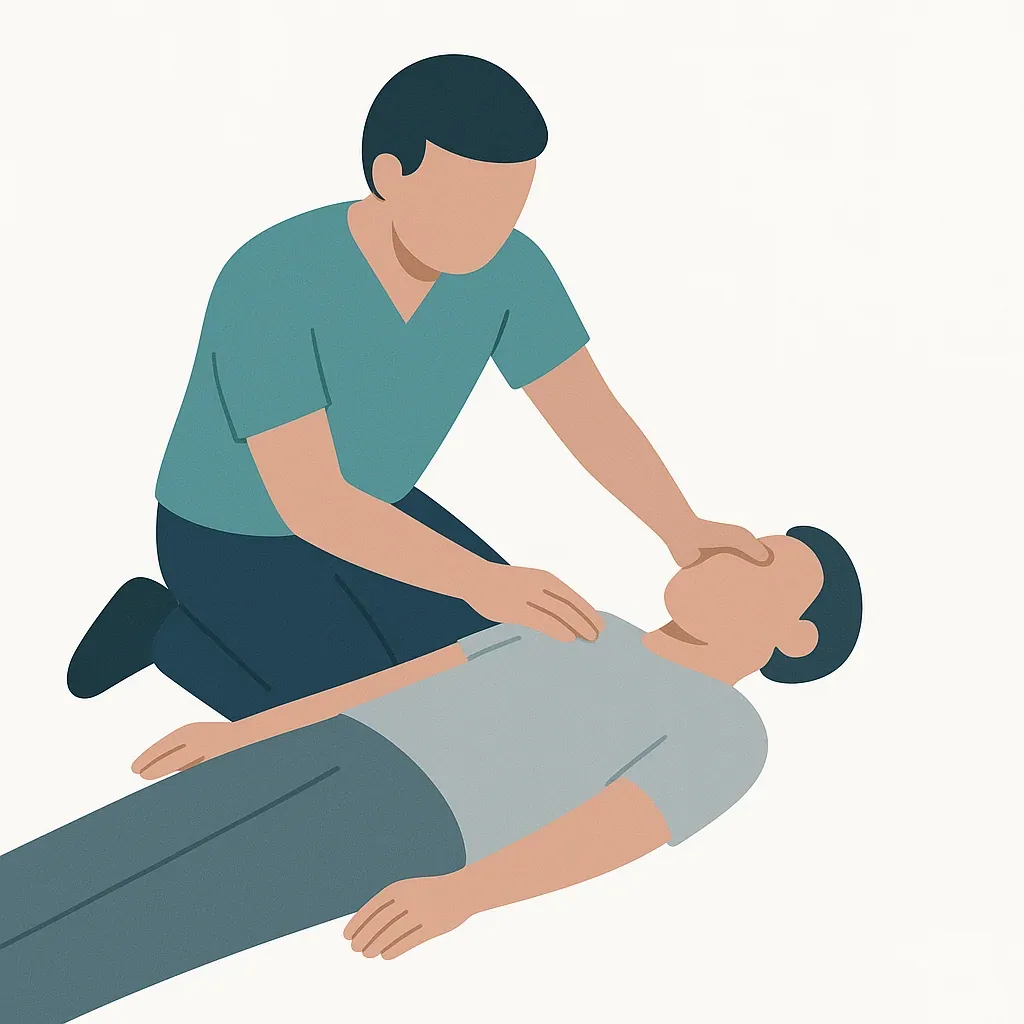

Reassessment means checking a person again to see if their condition has changed. In plain English, it means repeating important checks instead of assuming things are still the same as they were a few minutes ago.
What does reassessment mean in first aid?
In first aid, reassessment is the process of checking the person again after your first assessment.
You may have already done a Primary Survey and, if needed, a Secondary Survey. Reassessment means going back and checking whether anything has changed.
This is important because a person’s condition can improve, stay stable, or get worse over time.
Why is reassessment important?
Some emergencies change quickly.
A person who is awake and talking may become confused later. Someone who seemed stable may develop more pain, trouble breathing, or signs of shock. Reassessment helps you notice those changes early.
It helps first aiders:
- spot deterioration quickly
- notice whether treatment is helping
- decide if the situation is becoming more urgent
- give a clearer update to ambulance crews or other medical help
What should you reassess?
What you recheck depends on the situation, but common things to reassess include:
- responsiveness
- breathing
- severe bleeding
- pain
- skin colour and sweating
- swelling or deformity
- whether symptoms are getting better or worse
You may also repeat a quick responsiveness check such as AVPU if the person’s level of alertness is a concern.
When should you do a reassessment?
Reassessment is useful whenever:
- you are waiting for an ambulance
- the person’s condition may change
- you have given first aid and want to see if it helped
- the problem is ongoing rather than already resolved
In a serious emergency, reassessment should be ongoing. It is not a one-off step.
How often should you reassess someone?
There is no single timing rule that fits every situation.
The more serious or unstable the condition is, the more closely you should keep checking. If the person is clearly unwell, keep monitoring them regularly and be ready to respond if anything changes.
In plain English, if you are worried the person could get worse, do not drift off after the first check. Stay engaged and keep reassessing.
What if the person’s condition gets worse?
If the person becomes less responsive, develops abnormal breathing, or starts bleeding heavily, go back to the most urgent priorities first.
That means returning to life-threatening checks, calling 000 if needed, and giving the appropriate emergency first aid response.
Reassessment is not separate from first aid priorities. It helps you recognise when you need to act again.
Is reassessment the same as a secondary survey?
Not exactly.
A Secondary Survey is a more detailed check after immediate life threats have been managed. Reassessment means repeating key checks over time to see whether the person’s condition has changed.
They often work together. You may do a secondary survey, then reassess the person regularly while waiting for help.
Summary
Reassessment means checking a person again to see if their condition has changed.
In first aid, it matters because people can get better or worse quickly. A good first check helps, but repeated checks help you notice change and respond early if the situation becomes more serious.
Sources reviewed
Reviewed against current Australian first aid, emergency and public-health guidance by the First Aid Glossary Editorial Team. This article is general information and does not replace emergency-operator directions, professional medical advice or hands-on first aid training.