
- What does mechanism of injury mean?
- Why is mechanism of injury important in first aid?
- What are examples of mechanism of injury?
- Does mechanism of injury tell you how serious the injury is?
- When should you think about mechanism of injury?
- How does it help during an assessment?
- Is mechanism of injury only used for trauma?
- Summary
- Sources reviewed
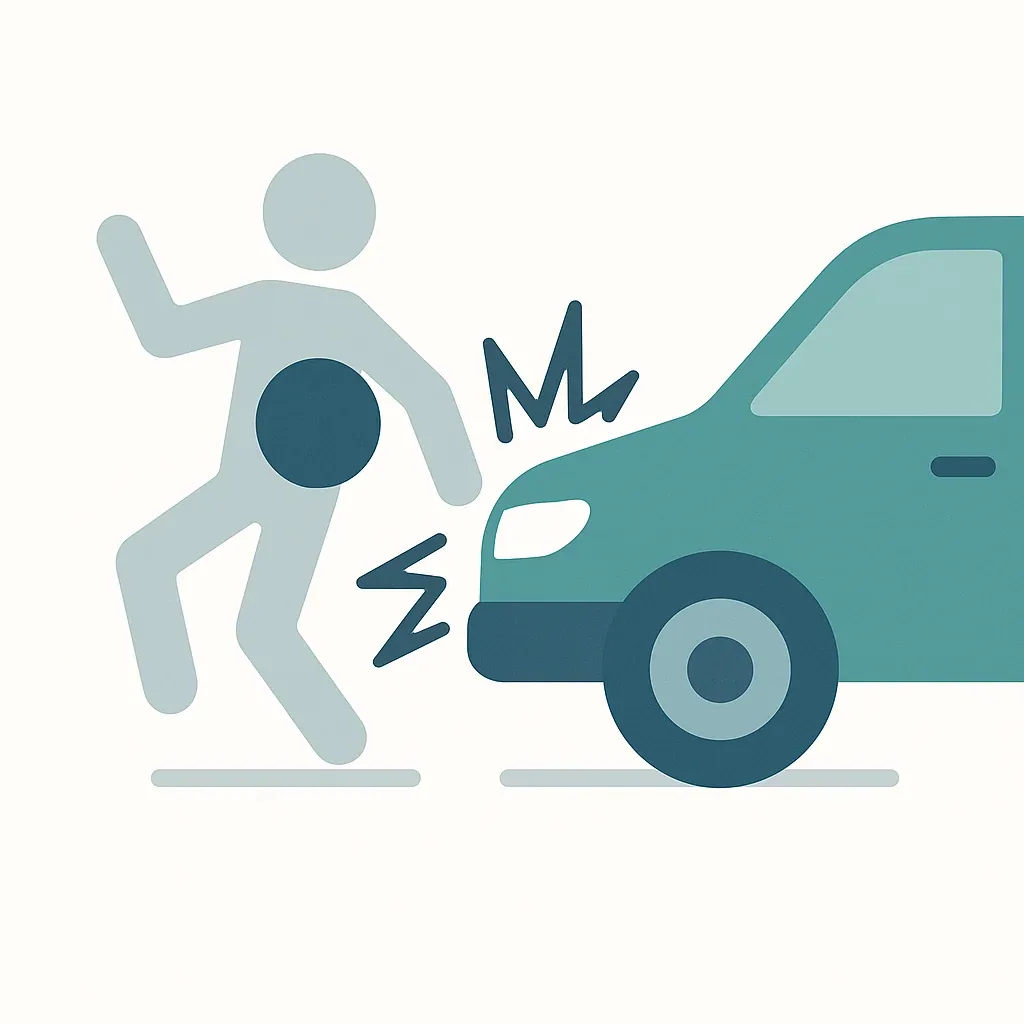
Mechanism of injury means how an injury happened. In plain English, it is the event or force that caused the harm, such as a fall, a car crash, a blow to the head, or a twisting injury.
What does mechanism of injury mean?
When first aiders talk about mechanism of injury, they mean the way the body may have been hurt.
This matters because the cause of the injury can give clues about what damage may be present, even before every sign is obvious.
For example, a person who fell from a height may have a more serious injury than someone who simply bumped their leg on furniture. The mechanism helps you think about what could be wrong.
Why is mechanism of injury important in first aid?
Some serious injuries are not obvious straight away.
A person may look fairly well at first, but the mechanism of injury suggests there could still be a significant problem, such as:
- a Head Injury
- a Spinal Injury
- internal bleeding
- damage to bones, joints, or organs
The mechanism of injury does not prove what the injury is, but it helps first aiders stay alert to what might be going on.
What are examples of mechanism of injury?
Examples of mechanism of injury include:
- falling from a ladder
- being hit by a moving object
- a road crash
- a sports collision
- twisting an ankle or knee
- a direct blow to the head
- being crushed or pinned
Each one suggests a different type of force on the body.
Does mechanism of injury tell you how serious the injury is?
Not by itself.
It is one clue, not the full answer. Some injuries look dramatic but are not as severe as expected, while others look minor at first and turn out to be more serious.
That is why first aiders use the mechanism of injury together with the person’s symptoms, signs, responsiveness, and overall condition.
When should you think about mechanism of injury?
Think about mechanism of injury whenever you are trying to work out what may have happened, especially during a Secondary Survey or when asking about the events leading up to the injury.
It is especially useful when:
- the person fell from a height
- the head, neck, or back may have been involved
- there was strong force or speed involved
- the person has pain that does not match a simple minor injury
- there may be more than one injury
How does it help during an assessment?
Mechanism of injury helps guide what you look for.
For example:
- after a heavy fall, you may be more alert for back or neck pain
- after a blow to the head, you may watch for confusion, vomiting, or worsening drowsiness
- after a crush injury, you may look more carefully for swelling, deformity, and circulation problems
It helps you ask better questions and notice risks that may otherwise be missed.
Is mechanism of injury only used for trauma?
Mostly, yes. It is most often used when someone has been physically injured.
In medical emergencies such as asthma, seizures, or allergic reactions, the focus is usually more on symptoms, history, and what happened before the episode rather than the injury mechanism itself.
Summary
Mechanism of injury means how an injury happened. It helps first aiders think about what kinds of damage may be present, even before every sign is obvious.
In plain English, it is a simple way of asking: what force or event caused this injury, and what problems could that mean for the person?
Sources reviewed
Reviewed against current Australian first aid, emergency and public-health guidance by the First Aid Glossary Editorial Team. This article is general information and does not replace emergency-operator directions, professional medical advice or hands-on first aid training.