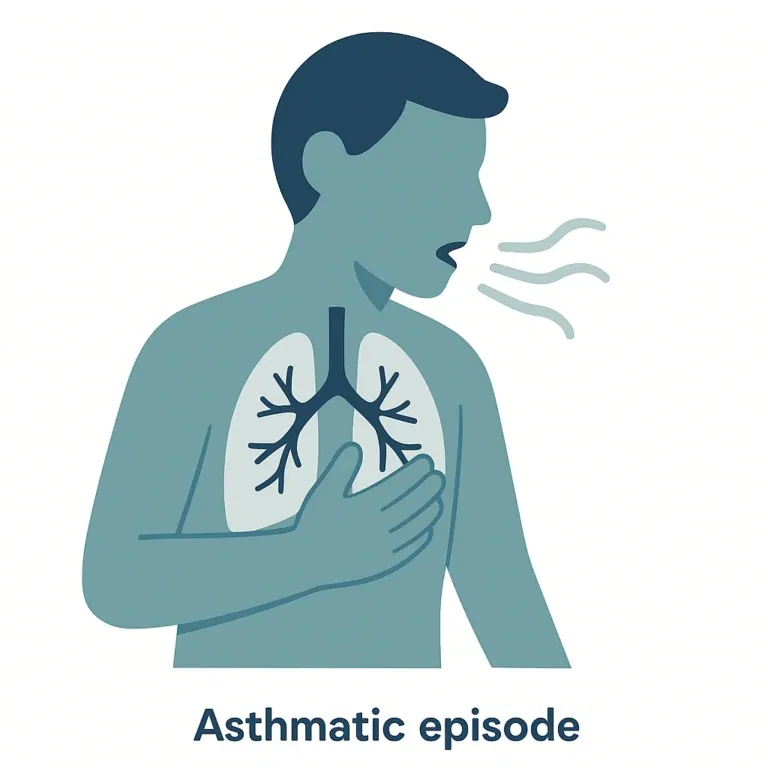
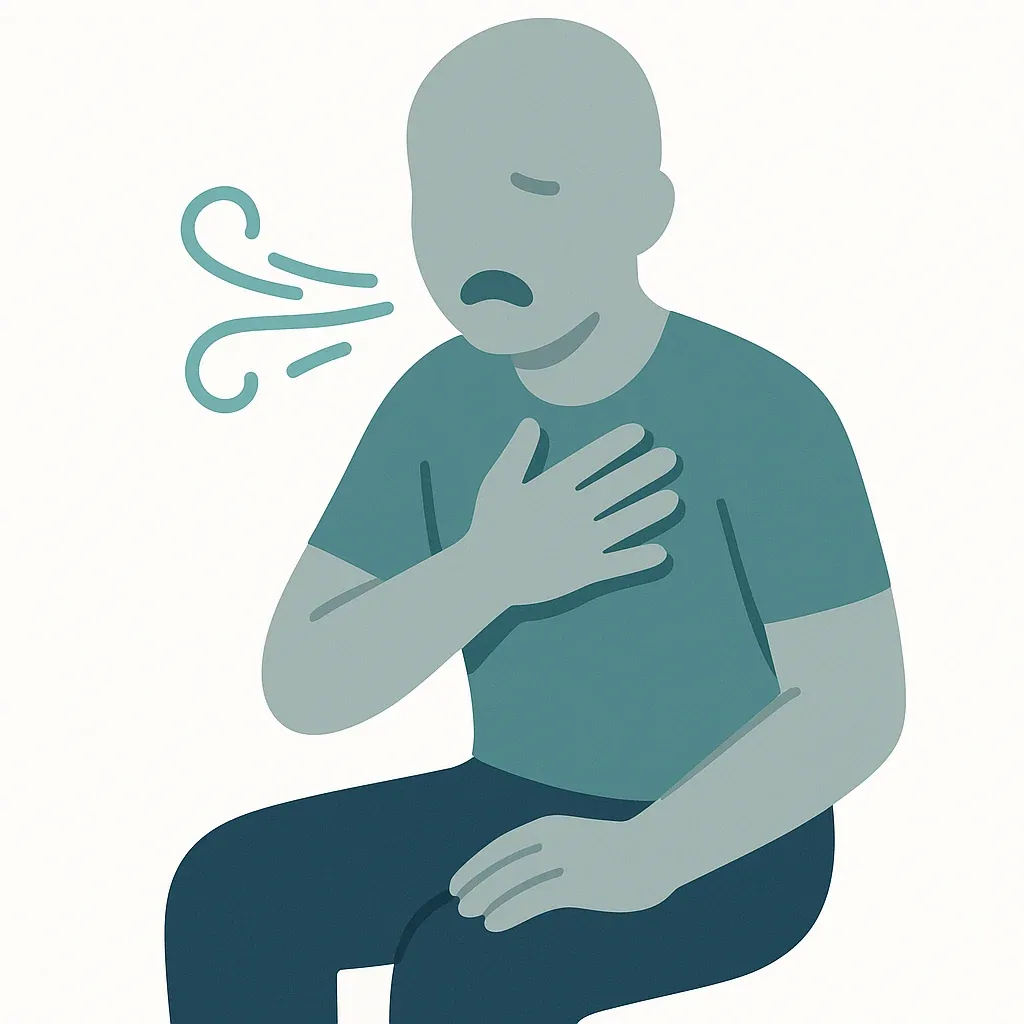

Hypoxia is when the body or parts of the body do not get enough oxygen. Oxygen is very important because it helps all our organs and tissues work properly. Without enough oxygen, the body can stop working well and may even be in danger. Hypoxia can happen slowly or quickly, and it can affect anyone. This makes it important to understand what it means and what to do if you think someone has it.
What Hypoxia Means for the Body
Our body needs oxygen in every cell to stay healthy and alive. We get oxygen when we breathe in air through our lungs. The oxygen then travels in the blood to different parts of the body. Hypoxia happens when there is not enough oxygen getting to the cells. This can be because the air we breathe has less oxygen, our lungs are not working well, or the blood does not carry enough oxygen. When the body parts do not get enough oxygen, they cannot work properly.
Signs You Might See With Hypoxia
Hypoxia can cause different signs depending on how much oxygen is missing and how quickly it happens. Sometimes it starts slowly, and a person might not notice at first. Other times, it happens fast and the signs are clear.
Common signs of hypoxia include:
- Feeling very tired or weak
- Being confused or dizzy
- Breathing faster or struggling to breathe
- Having a fast heartbeat
- Looking pale, bluish, or grey, especially around the lips or fingernails
- Losing consciousness or becoming unconscious
- If you see these signs, it is important to act quickly.
What Causes Hypoxia
There are many reasons why someone might develop hypoxia. Some common causes are:
- Breathing air with less oxygen, like at high places or in enclosed spaces
- Problems with the lungs, such as asthma, pneumonia, or choking
- Heart problems that stop blood from carrying oxygen well
- Being underwater too long or trapped in a place without fresh air
- Injuries to the chest or head
- Certain poisoning or an allergic reaction that affects breathing
Why Hypoxia Matters in First Aid
Hypoxia is a serious problem because oxygen is needed for the brain and body to work right. Without enough oxygen, brain cells can start to die in just a few minutes. This can cause serious harm or death if not treated quickly. In first aid, knowing about hypoxia helps you watch for signs and keep the person safe until they get proper medical care.
How to Help Someone Who Might Have Hypoxia
If you think someone has hypoxia, your first job is to make sure they can breathe as much air as possible. Help them to sit or lie down in a position that makes breathing easier. Usually, sitting up or semi-reclined can help.
Try to keep the person calm. Being scared or stressed can make breathing harder. Encourage slow, deep breaths if they can do so.
If there is something blocking their airway, like food or an object, try to help remove it safely, but only if you know how.
Do not give the person anything to eat or drink unless a health worker says it is safe.
When to Call Emergency Services
If the person is showing signs of hypoxia, especially if they are very confused, struggling to breathe, turning blue, or losing consciousness, call emergency services right away by dialing 000. Quick help can save a life.
Always call 000 in an emergency because paramedics have the right equipment and skills to give oxygen and other care.
Safety Tips to Remember
Never put yourself in danger when helping someone with breathing problems or hypoxia. Check that the area is safe before you approach.
If a person is unconscious and not breathing, you may need to begin CPR while waiting for help.
Make sure to tell emergency services everything you notice about the person’s condition and what happened.
Summary
Hypoxia means not enough oxygen is reaching the body’s cells. It can happen from many causes, and it is a serious problem. Signs include trouble breathing, confusion, and a bluish skin colour. Helping someone with hypoxia means making sure they can breathe well, keeping them calm, and calling 000 if the situation is serious. Understanding hypoxia can help you stay calm and act quickly in emergencies to protect life.
Sources reviewed
- ANZCOR Guideline 5: Breathing
- Healthdirect: respiratory system and urgent breathing symptoms
- Triple Zero: official emergency calling guidance
Reviewed against current Australian respiratory, first aid and emergency guidance by the First Aid Glossary Editorial Team. This article is general information and does not replace emergency-operator directions, professional medical advice or hands-on first aid training.