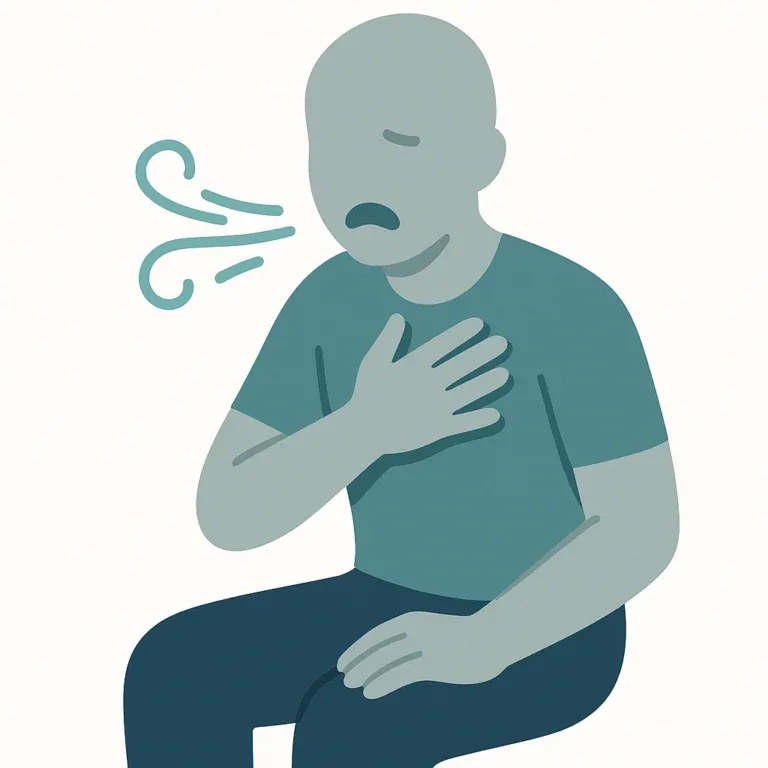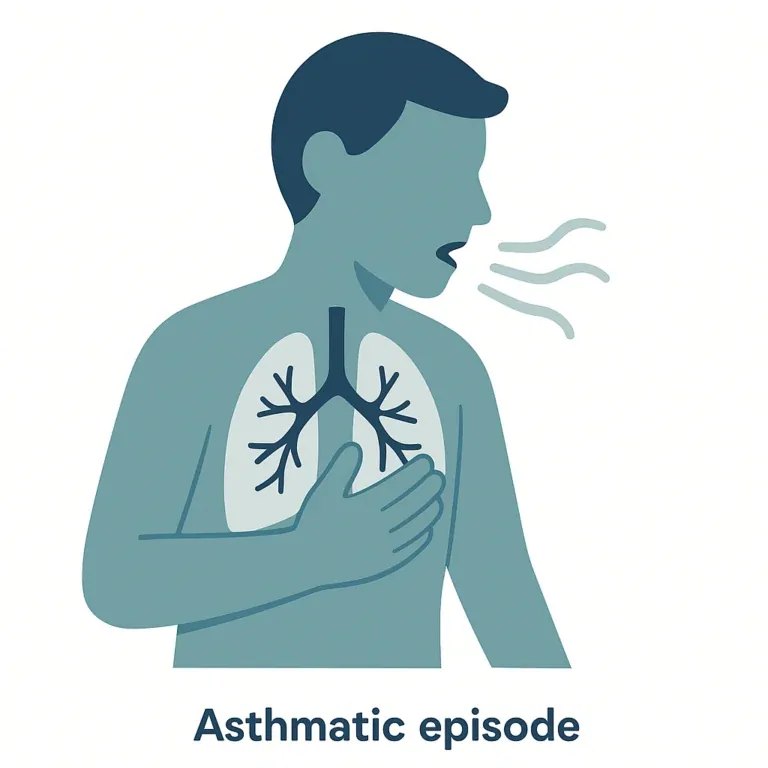
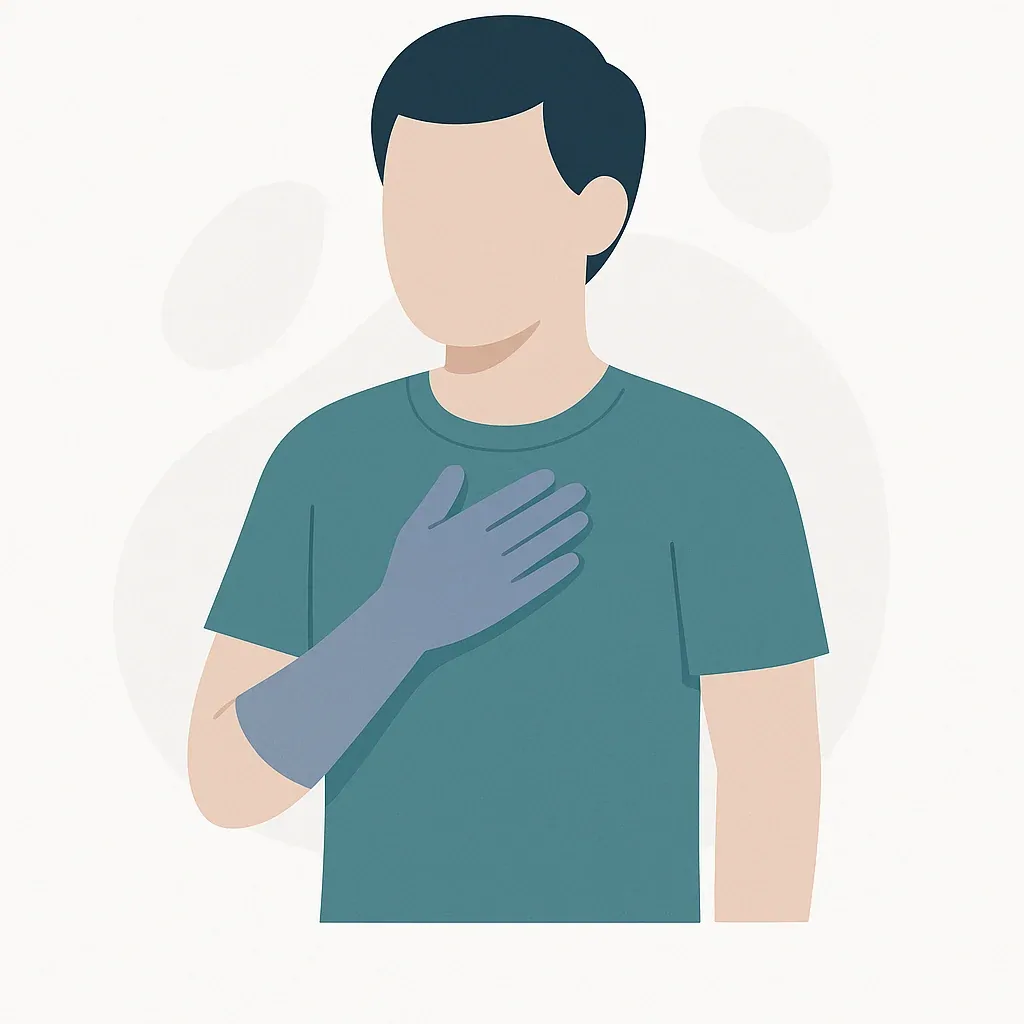

Cyanosis is a word used to describe when a person’s skin or lips turn a blue or purple colour. This happens when there is not enough oxygen in the blood. Oxygen is very important because it helps every part of the body work properly. When oxygen levels are low, the skin may look different, especially around the mouth, fingers, toes, or nails.
Cyanosis is important to know about in first aid because it can be a sign that someone is not getting enough air or oxygen. This can happen in emergencies like choking, asthma attacks, or heart problems. If you see someone with cyanosis, it means you should act quickly and get help.
What is Cyanosis?
Cyanosis means that the blood in the body is low in oxygen, causing a bluish colour in the skin or lips. Normally, the blood looks red because it has enough oxygen. When there is less oxygen, the blood can look darker, and this colour shows through the skin.
You might notice cyanosis most clearly in places where the skin is thin, such as on the lips or fingertips. Sometimes, it can be seen around the nose or tongue too. The colour change can be a bit hard to see if the lighting is poor or if the skin is very dark, but it is often noticeable.
Why Does Cyanosis Happen?
Blood carries oxygen from the lungs to all parts of the body. When the lungs do not work well or the blood cannot carry enough oxygen, cyanosis can happen. This could be because the person is having trouble breathing, their heart is not pumping blood properly, or their arteries are blocked.
Cyanosis may be caused by many different problems. For example, choking on food can stop air from reaching the lungs. Asthma or allergies can make it hard to breathe. Sometimes, heart defects or illnesses can stop oxygen-rich blood from circulating well.
Signs You Might See with Cyanosis
When someone has cyanosis, you may notice their lips or skin turn blue, purple, or very pale. Their fingertips or the skin under their nails can look blue too. The person might breathe faster or seem tired and weak.
They could be confused, restless, or lose consciousness if the problem is very serious. In babies or young children, the skin might look blue all over their body or only around the mouth.
What to Do if You See Cyanosis
If you notice cyanosis, it means the person needs help right away. First, try to make sure their airway is clear so they can breathe properly. Encourage them to sit or lie down in a comfortable position that helps them breathe.
If the person is choking or not breathing, call emergency services by dialling 000 immediately. Tell the operator what is happening clearly and follow any instructions they give you.
If the person has a known condition like asthma, help them use their reliever medicine right away. This medicine helps open the airways and lets more oxygen in.
While waiting for help, watch the person closely. Keep them warm and calm. Do not give them anything to eat or drink if they are having trouble breathing or are unconscious.
When to Call Emergency Services
Always call 000 if you see signs of cyanosis with serious problems, like:
- The person is choking or cannot breathe.
- The blue or purple colour gets worse.
- The person is very tired, confused, or losing consciousness.
- They have chest pain or sudden weakness.
- Getting emergency help fast can save a person’s life. Do not wait to see if the colour improves on its own.
General Safety Tips
It is important to keep the area safe for both you and the person needing help. If you suspect poisoning or an accident, do not put yourself in danger to assist.
Always try to stay calm and speak clearly when calling emergency services. Follow their instructions carefully. If you are with others, ask them to help you.
Remember, cyanosis is a sign that something serious is happening. Quick action and getting professional help is the best way to keep the person safe.
Summary
Cyanosis is when the skin or lips turn blue or purple because of low oxygen in the blood. This can mean the person is not breathing well or has a heart problem. It is an important warning sign in first aid.
If you see cyanosis, check if the person can breathe and get help quickly by calling 000. Help them stay calm and comfortable while you wait for emergency services.
Recognising cyanosis and acting fast can make a big difference. Always remember that safety comes first, and professional help is needed in serious situations.
Knowing about cyanosis helps you understand when someone needs urgent first aid. It gives you the confidence to help and to get help when it matters most.
Sources reviewed
Reviewed against current Australian first aid, emergency and public-health guidance by the First Aid Glossary Editorial Team. This article is general information and does not replace emergency-operator directions, professional medical advice or hands-on first aid training.