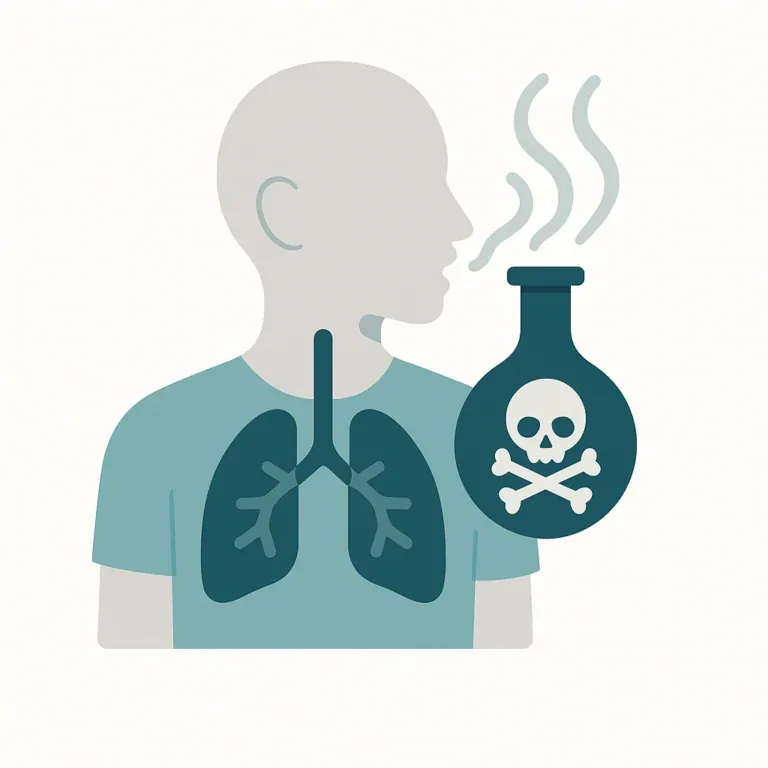
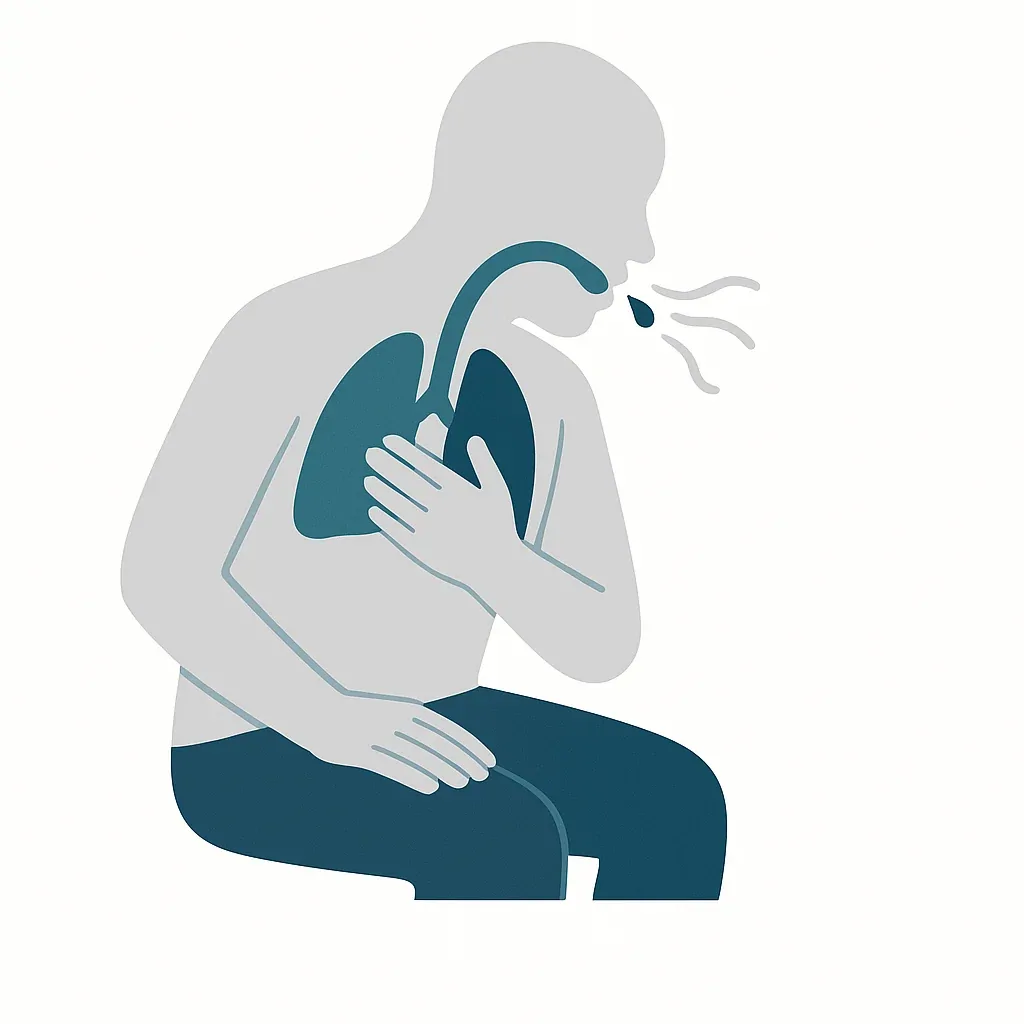

Aspiration is when something like food, drink, vomit, or saliva accidentally goes into a person’s lungs instead of their stomach. This can cause problems because the lungs are meant to take in air, not other substances. Aspiration can happen quickly and may make it hard for a person to breathe properly.
Aspiration is important to understand in first aid because it can lead to choking, coughing, or even a lung infection. Knowing what aspiration is and how to respond can help someone stay safe and get the right help fast.
What Happens During Aspiration
When we eat or drink, the food and liquids usually go down a tube called the oesophagus and into the stomach. At the same time, the windpipe, or trachea, carries air to the lungs. There is a small flap called the epiglottis that closes over the windpipe when we swallow. This flap stops food and drink from going the wrong way.
Aspiration happens if the epiglottis does not close properly or if a person talks, laughs, or breathes in while swallowing. Then food or liquid can “go down the wrong pipe” and enter the windpipe or lungs. When this happens, the lungs can become irritated, causing coughing or choking to try to clear the material.
Why Aspiration is Serious
Aspiration can be dangerous because it may block the windpipe and make it hard to breathe. Sometimes the person may cough really hard to get the food or drink out. This is a natural way the body tries to protect the lungs.
If the object does not come out, it can cause choking, which means the windpipe is partly or completely blocked. This is an emergency that needs quick first aid.
Even if the person does not choke, aspiration can lead to infection in the lungs. This is called aspiration pneumonia. It happens when harmful bacteria enter the lungs from the food or liquid that was breathed in.
Signs You Might See with Aspiration
Sometimes aspiration is easy to spot. The person may start coughing suddenly while eating or drinking. They might also sound hoarse or have trouble speaking after swallowing.
In other cases, aspiration is not obvious at first. The person might feel tired, have a fever, or breathe faster or noisier than usual. If a lung infection develops, they might have chest pain or a bad cough that lasts a long time.
In a serious situation, the person may struggle to breathe or become very pale or blue around the lips. This means they need urgent help.
What to Do If Someone Is Aspiring or Choking
If you see someone coughing but they can still breathe and talk, this is a good sign. Encourage them to keep coughing to clear their airway. Stay calm and watch closely.
If the person cannot cough, speak, or breathe, they are choking. Call 000 right away. Help them with first aid to remove the blockage if you know how. Do not try to give water or food; this can make it worse.
If the person becomes unconscious, call emergency services and start basic life support until help arrives.
General Safety Tips to Prevent Aspiration
Aspiration is more likely in certain groups like young children, older adults, or people who have trouble swallowing because of illness.
Some ways to lower the risk include:
- Eating slowly and chewing food properly before swallowing
- Sitting up straight when eating or drinking
- Avoiding talking or laughing while swallowing
- Being careful with drinks or foods that are thin or runny
- Watching people who have swallowing difficulties closely while they eat
When to Call for Emergency Help
Call 000 in Australia if:
- The person is choking and cannot breathe, speak, or cough
- They become unconscious or stop breathing
- They have severe difficulty breathing or their lips turn blue or pale
- They have a big cough that will not go away after a choking or aspiration event
- They show signs of infection like high fever and chest pain after suspected aspiration
- Remember, it is always better to get help if you are unsure how serious the situation is.
Helping Someone Recover After Aspiration
If the person coughs up the swallowed material or clears their airway, watch them carefully. They may feel tired or weak afterward.
Encourage them to rest and drink water if they can without coughing.
If breathing problems, fever, or cough appear in the hours or days after aspiration, see a doctor quickly.
Aspiration can sometimes lead to a lung infection that needs medical treatment.
Summary
Aspiration means something like food or liquid goes into the lungs by mistake. It can cause coughing, choking, or serious breathing problems. Knowing the signs and getting help fast is important.
Always watch people who might have trouble swallowing. Encourage safe eating habits. If someone chokes and cannot breathe or speak, call 000 immediately.
Staying calm and acting carefully can help protect the person until medical help arrives.
Sources reviewed
- Healthdirect: inhaled substance or object
- ANZCOR Guideline 4: Airway
- Triple Zero: official emergency calling guidance
Reviewed against current Australian respiratory, first aid and emergency guidance by the First Aid Glossary Editorial Team. This article is general information and does not replace emergency-operator directions, professional medical advice or hands-on first aid training.