
- What Does Circulation Mean?
- Common Signs of Circulation Problems
- What Causes Circulation Problems?
- Why Circulation Is Important in First Aid
- What You Might See in an Emergency
- Basic First Aid Steps for Circulation Problems
- When to Call Emergency Services
- Keeping Safe While Helping
- Cleaning Your Hands After First Aid
- Summary
- Sources reviewed
Circulation problems happen when blood does not flow properly through the body. Blood carries oxygen and important nutrients to all parts of the body. When circulation is not working well, parts of the body might not get enough oxygen and nutrients. This can cause pain, injury, or other health problems. In first aid, understanding circulation problems helps you know what to look for and how to help someone safely until medical help arrives.
What Does Circulation Mean?
Circulation means the movement of blood around the body. The heart acts like a pump, pushing blood through the blood vessels. Blood travels through arteries, veins, and tiny tiny vessels called capillaries. This blood carries oxygen from the lungs and food from the digestive system to the body’s cells. It also takes away waste products like carbon dioxide.
Good circulation is important because every cell in your body needs oxygen and food to work properly. If the flow of blood slows down or stops in some parts of the body, those cells can get damaged.
Common Signs of Circulation Problems
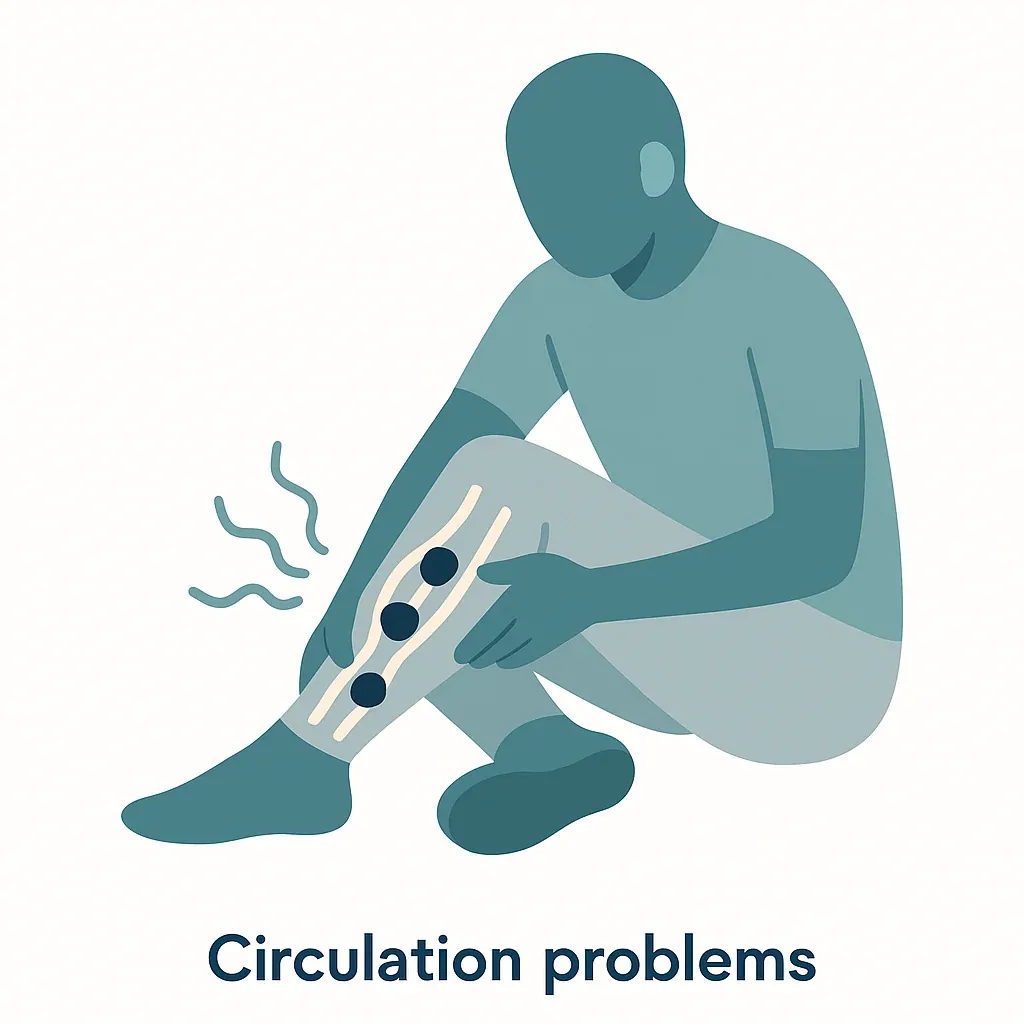
You might notice some signs that show a person is having circulation problems. These signs can be easy to spot. Here are some common ones:
- Skin colour changes: Their skin might turn pale, blue, or very red.
- Cold skin: The area might feel cold when you touch it.
- Numbness or tingling: The person may say they feel pins and needles or no feeling at all in certain parts of their body.
- Swelling: The area might look bigger or puffier than normal.
- Pain or cramping: The person might feel pain or cramps, especially in their legs or arms.
- Weak pulse: You might not feel a strong heartbeat in certain spots, like the wrist or ankle.
What Causes Circulation Problems?
Circulation problems can happen for several reasons. Sometimes it is because of an injury. For example, if an arm or leg is hurt, blood flow might be blocked.
Other times, circulation problems happen because of health conditions like heart trouble, blocked arteries, or blood clots. Sometimes cold weather can also make circulation worse because blood vessels get smaller.
In emergencies, sudden situations like severe bleeding or shock can cause circulation to fail. This means the body cannot send enough blood to important organs.
Why Circulation Is Important in First Aid
Blood keeps us alive by bringing oxygen and nutrients to the body. Without good blood flow, body parts can quickly get hurt or even die.
In first aid, if you think a person has a circulation problem, you need to act carefully but quickly. Helping blood flow again, or stopping it from getting worse, can save a life or prevent more damage.
For example, if someone is bleeding badly, stopping the bleeding helps keep enough blood in the body and keeps circulation working. If a limb is hurt and the pulse is weak, it can be a sign that blood is not moving properly.
Knowing about circulation helps you understand why certain first aid actions are important. It also helps you decide when to get emergency help.
What You Might See in an Emergency
If a person has serious circulation problems, you might notice things like:
- They look very pale or blue, especially on lips or fingernails.
- They feel weak, dizzy, or confused.
- They have a weak or no pulse in a part of the body.
- They might complain of pain or numbness.
- They could be very cold or sweaty.
- If these signs happen suddenly, it is a medical emergency.
Basic First Aid Steps for Circulation Problems
If you think someone has circulation problems, the first thing is to stay calm. Try to help without causing more harm.
Check their airway, breathing, and pulse if you can.
If bleeding is present, try to stop it by applying pressure with a clean cloth.
Keep the injured part still and, if possible, raise it above the level of the heart to help blood flow.
Keep the person warm and comfortable.
Do not rub or massage an injured area because this can make things worse.
Watch for signs that the person’s condition is getting worse, like changes in level of consciousness or skin colour.
Call for help if you think the problem is serious.
When to Call Emergency Services
Always call 000 if the person:
- Is unconscious or not breathing.
- Is bleeding heavily and you cannot stop the bleeding.
- Has a weak or no pulse in a limb.
- Shows signs of shock such as pale, cold, clammy skin; rapid breathing; weakness; or confusion.
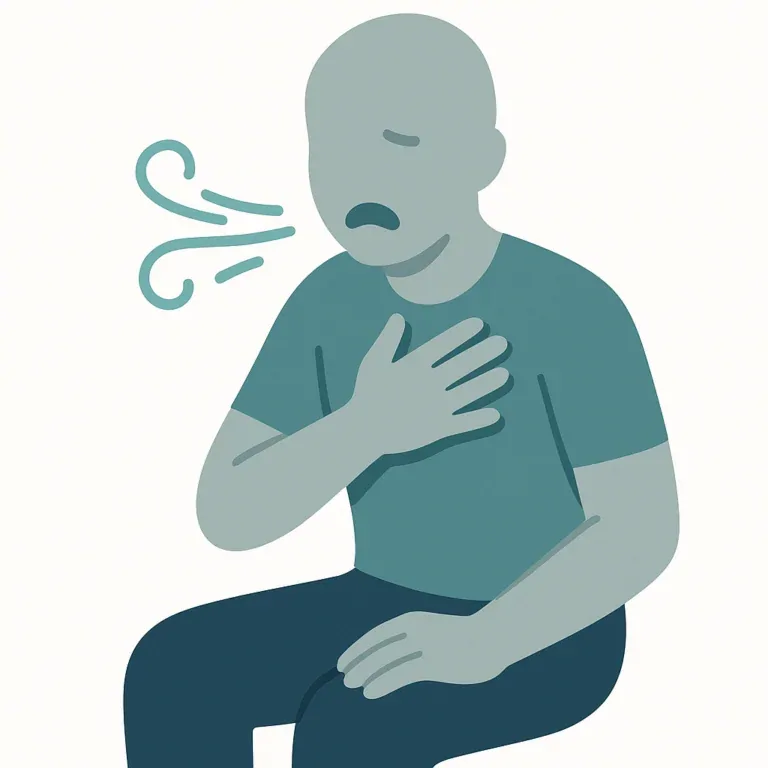
- Complains of severe chest pain or has difficulty breathing.
- Has sudden numbness, weakness, or confusion, especially if this follows injury.
- Remember, emergency services are there to help. The sooner you call 000, the quicker a person can get the care they need.
Keeping Safe While Helping
Your safety is important when helping someone with circulation problems.
Make sure the area is safe before you go near the person.
Wear gloves if you can and there is blood.
Avoid moving a person who might have a broken bone unless they are in danger.
Be gentle and patient when helping.
Cleaning Your Hands After First Aid
After helping someone, always wash your hands well with soap and water. This helps stop germs from spreading.
If soap and water are not available, use hand sanitizer.
Summary
Circulation problems mean blood is not moving well in the body. This can cause pain, numbness, colour changes, and serious health problems. First aid helps by keeping the person safe, stopping bleeding, and getting medical help quickly when needed. Always watch for signs that the problem is serious and call 000 in an emergency. Knowing about circulation helps you stay calm and do the right thing to protect someone’s life.
Sources reviewed
Reviewed against current Australian first aid, emergency and public-health guidance by the First Aid Glossary Editorial Team. This article is general information and does not replace emergency-operator directions, professional medical advice or hands-on first aid training.