Insect Bites and Stings

Insect bites and stings can cause pain, swelling, itch, and sometimes a severe allergic reaction. Learn the key first aid steps and when tick bites or spider bites need different guidance.

These terms relate to injuries or conditions caused by environmental exposure, such as heat stroke, hypothermia, dehydration, sunburn, and marine stings. Definitions explain how environmental factors are described in first aid language.
Insect bites and stings can cause pain, swelling, itch, and sometimes a severe allergic reaction. Learn the key first aid steps and when tick bites or spider bites need different guidance.
Ant stings and bites often cause local pain, redness, swelling, and itch, but some can trigger a severe allergic reaction. Learn the key first aid steps and when to call 000.
Bee and wasp stings usually cause pain, redness, and swelling, but some can trigger a severe allergic reaction. Learn the key first aid steps, when to call 000, and where this fits inside the broader insect-bites-and-stings pathway.
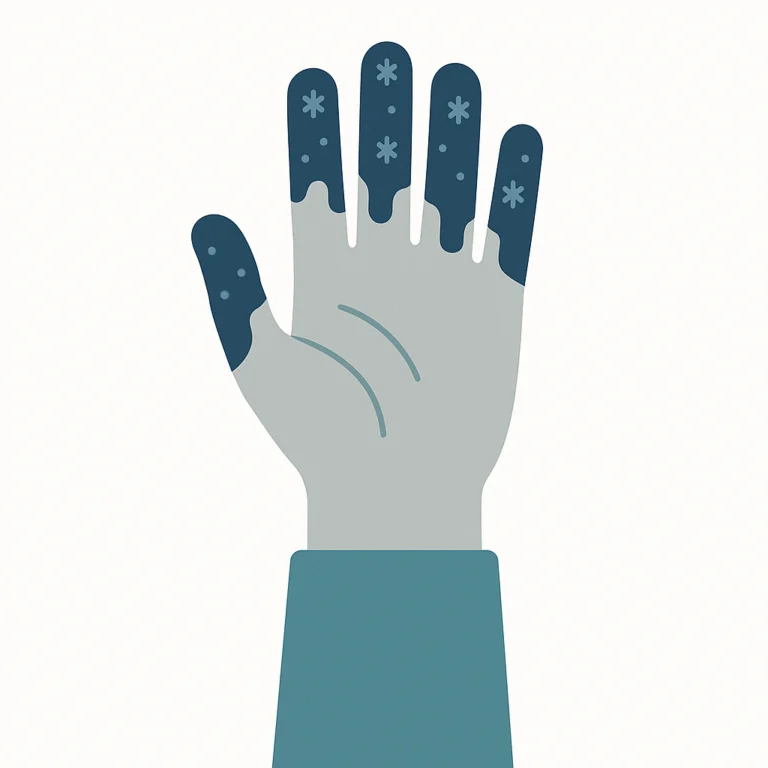
Frostbite is a serious cold-weather injury that happens when your skin and underlying tissues freeze, especially on fingers, toes, ears, and nose. Knowing the signs of frostbite can help you act quickly to protect your skin and prevent lasting damage.

Cold exposure can sneak up on anyone, especially in chilly weather or icy conditions, making it crucial to recognize the warning signs and respond quickly to keep yourself and others safe and warm.

Heat-related emergencies can sneak up quickly when the body overheats and cant cool down, leading to serious conditions like heat exhaustion and heatstroke. Recognizing the signs early and knowing how to respond can make all the difference in staying safe during hot weather.
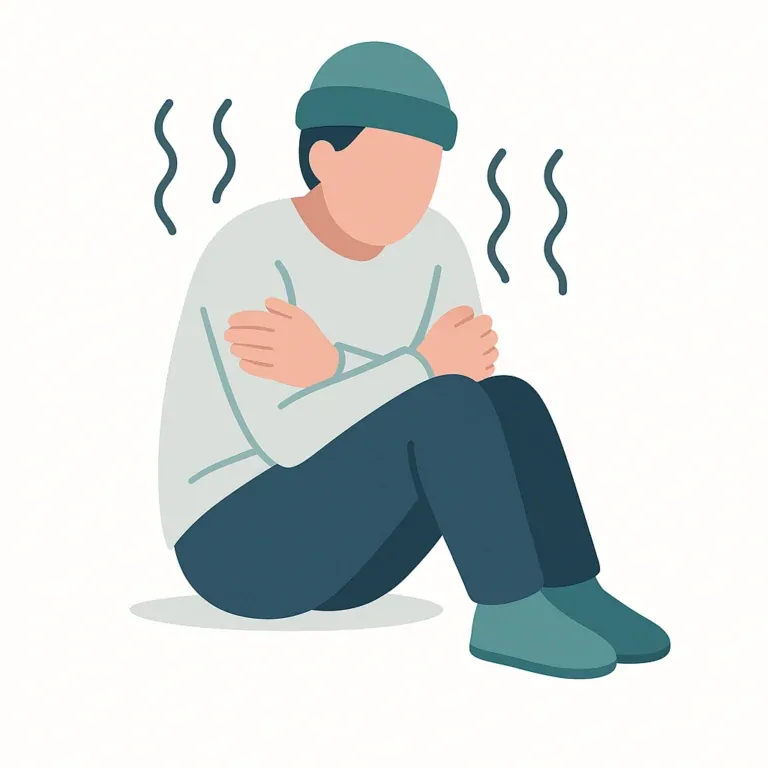
Hypothermia happens when the body gets too cold to keep warm, which can be dangerous if not treated quickly. Knowing the signs and how to respond is essential for keeping yourself and others safe in chilly conditions.
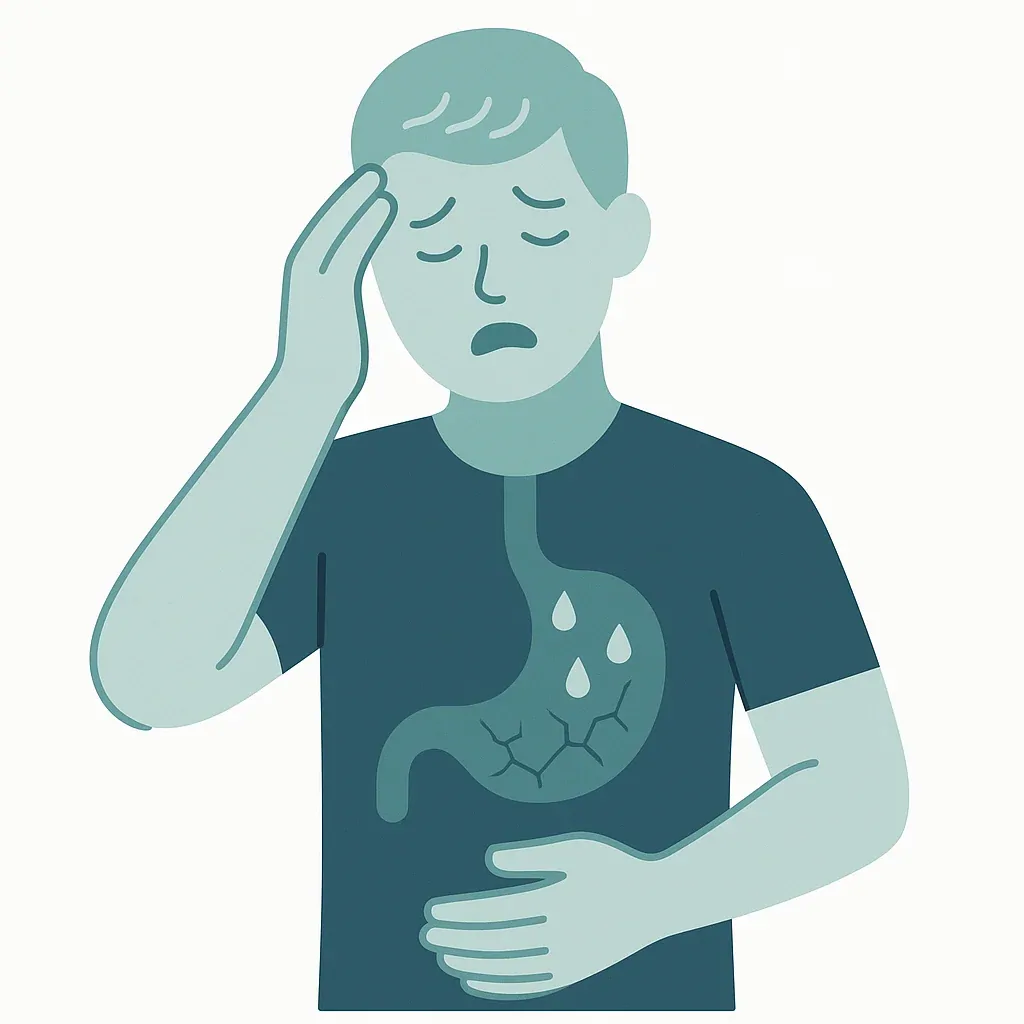
Dehydration happens when your body loses more water than it takes in, leading to tiredness, dizziness, and other serious health issues. Knowing how to spot dehydration early can help you act quickly and keep yourself and others safe.

Heat exhaustion occurs when your body overheats and struggles to cool down, often after spending too much time in the sun or doing intense activity without enough water. Recognizing the signs early and knowing how to respond can help prevent more serious heat-related illnesses.
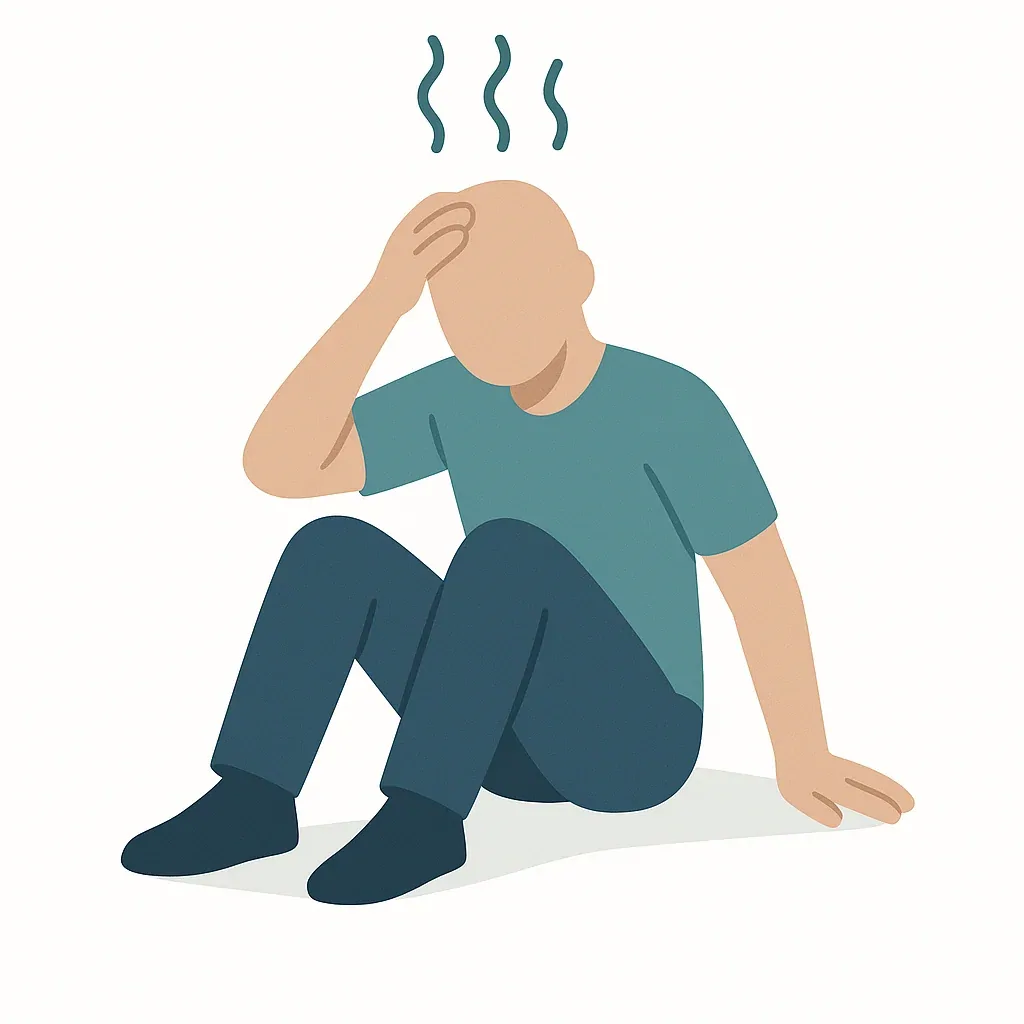
Heat stroke is a dangerous condition that occurs when the body overheats and can no longer cool down, causing serious damage to vital organs. Knowing the signs and acting quickly can be lifesaving when someone is suffering from heat stroke.