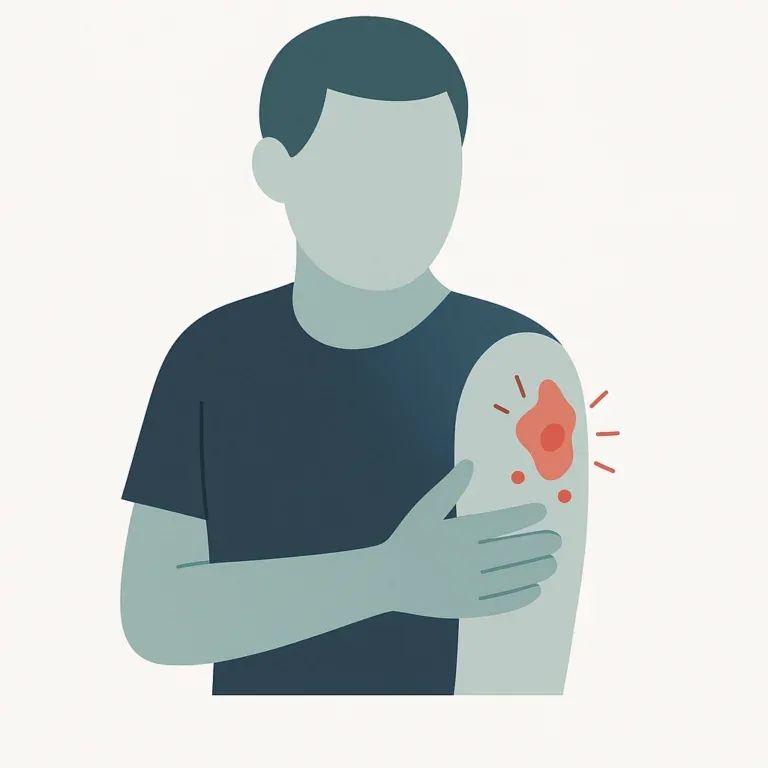


Insect bites-and-stings/" class="fag-auto-link">bites and stings can cause pain, redness, swelling, itch, and sometimes a serious allergic reaction. Most are mild, but some become a first aid emergency. The key priority is knowing when local symptoms can be managed simply and when the reaction is moving toward Anaphylaxis.
What are insect bites and stings?
Insect bites and stings happen when an insect pierces the skin or injects venom.
Common examples include:
- ants
- bees
- wasps
- mosquitoes
- bed bugs
Some cause only local irritation. Others can trigger a bigger skin reaction, infection, or a severe Allergic Reaction.
What symptoms can happen?
Common symptoms include:
- pain or a burning feeling
- redness
- swelling
- itch
- blisters in some cases
Some people also get a large local reaction with more widespread swelling.
More serious symptoms can include:
- trouble breathing
- wheeze or persistent cough
- swelling of the tongue or throat
- dizziness or collapse
- becoming Unresponsive
What should you do in first aid?
If someone has an insect bite or sting:
- Move them away from the insect if there is an ongoing risk.
- Wash the area with soap and water.
- Apply a cold pack wrapped in cloth to help reduce pain and swelling.
- Watch for worsening symptoms, especially spreading swelling or breathing trouble.
- If itching or local swelling is the main issue, doctor- or pharmacist-recommended Antihistamines may sometimes help.
If a bee stinger is visible, scrape it out quickly rather than squeezing it.
When is it an emergency?
Treat the situation as an emergency if the person:
- has trouble breathing
- has swelling of the tongue or throat
- becomes dizzy or collapses
- has signs of Anaphylaxis
- has a known severe allergy to insect bites or stings
If severe allergy symptoms appear, use an Adrenaline Auto-Injector immediately if one is available. If you know the brand, follow the correct steps for EpiPen or Anapen. Then call 000.
If the person is not breathing normally, start CPR.
What about tick bites and spider bites?
Tick Bites need different first aid from many ordinary insect bites and stings. A live tick should not usually be squeezed or forcibly pulled out because that can increase the risk of a serious allergic reaction.
Spider Bites are also different. Suspected funnel-web or other big black spider bites need urgent ambulance help and Pressure Immobilisation, while many ordinary insect stings do not.
If the problem is a tick bite or a serious spider bite, follow the specific page instead of treating it like a routine insect bite.
How is this page different from the more specific sting pages?
This page is the broader overview.
- Bee and Wasp Stings covers that specific sting type in more detail
- Ant Stings and Bites covers another common Australian trigger in more detail
- Tick Bites covers the different first aid issues linked to ticks
- Spider Bites covers the different first aid issues linked to spiders
- Allergic Reaction explains the broader allergy concept
Summary
Insect bites and stings often cause local pain, redness, swelling, or itch, but they can sometimes trigger a serious allergic emergency. In first aid, cool the area, watch closely for worsening symptoms, and act quickly if breathing trouble, throat swelling, dizziness, or collapse appear. If the problem is a tick bite or a serious spider bite, use the specific first-aid approach instead.
Sources reviewed
Reviewed against Australian first aid and emergency guidance by the First Aid Glossary Editorial Team. This article is general information and does not replace emergency-operator directions, professional medical advice or hands-on first aid training.