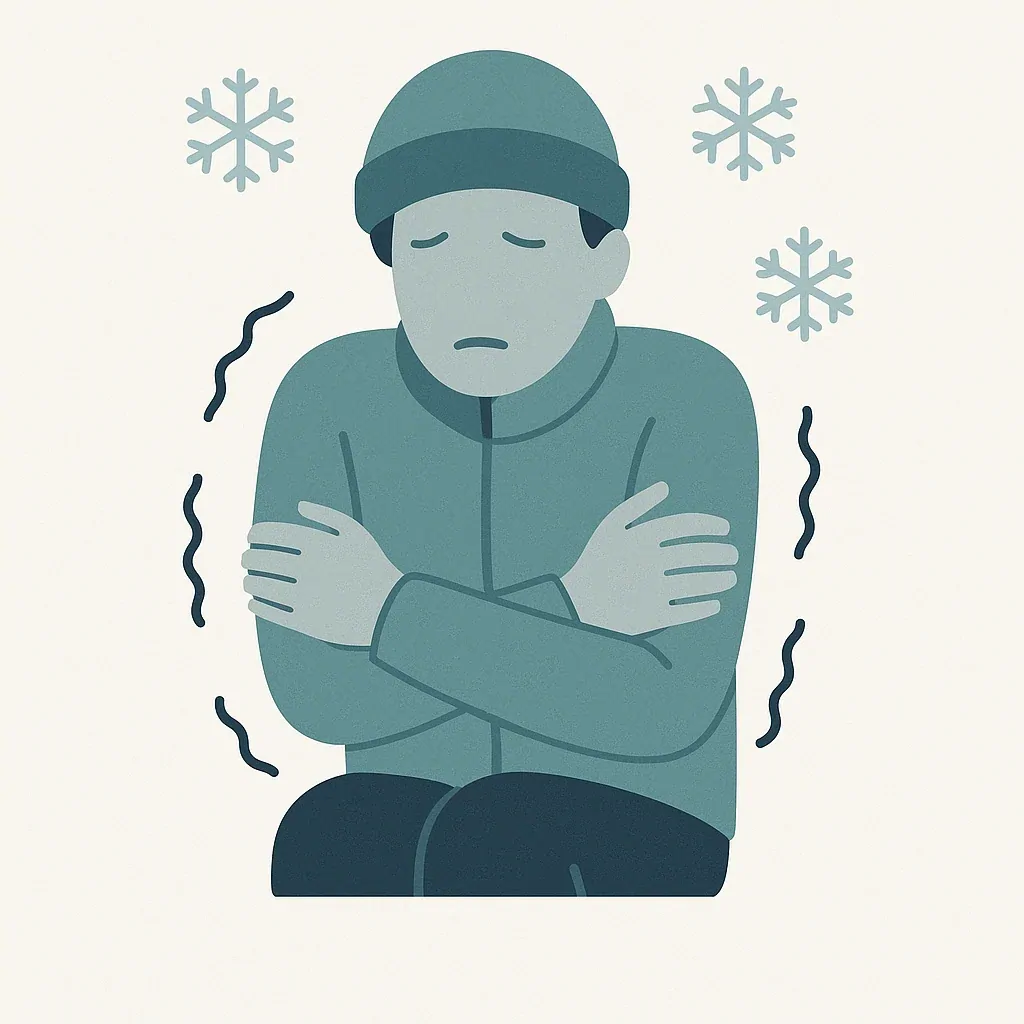

Cold exposure means being in very cold weather or touching something very cold for a long time. This can cause problems with the body, especially if the person is not dressed warmly or stays in the cold too long. Cold exposure is important in first aid because it can lead to serious health problems like hypothermia or frostbite.
When your body gets too cold, it can stop working properly. The cold makes your body lose heat faster than it can make it. This can affect how your heart, muscles, and brain work. Cold exposure can happen outside in winter, near ice or snow, or even indoors if a room is very cold or a heater is not working.
You might notice some signs that a person is having problems because of cold exposure. These signs include shivering a lot, feeling very tired or confused, and having slow, weak movements. Their skin might look very pale, feel cold to touch, or have patches that look white or grey. They might also have trouble speaking or walking.
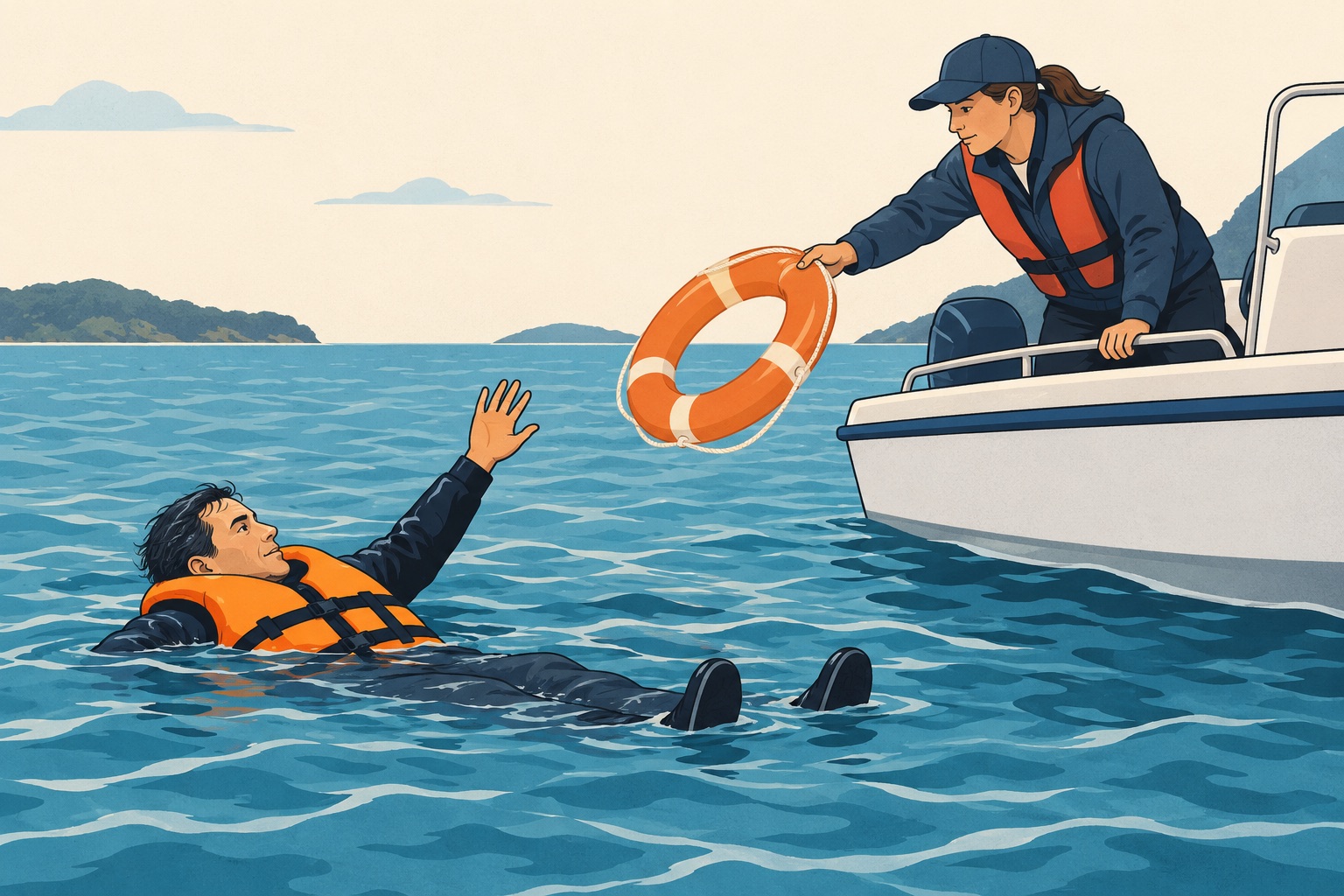
Cold exposure happens mostly in situations where people stay outside in cold weather without enough warm clothing. It can also happen to someone who has been in cold water for a long time, like falling into a lake or the sea. Older people, babies, and people who are sick or injured can have more trouble dealing with cold exposure.
Why it matters in first aid
In first aid, the goal is to warm the person gently and keep them safe. It is important to get them out of the cold as quickly as possible. Warm them slowly with blankets or clothes, and give them warm drinks if they are awake and able to swallow. Do not use hot water or heating pads because this might hurt the skin.
When to call 000
If the person is very cold, slow, or confused, they may have hypothermia. Hypothermia means the body’s temperature has dropped too low. This is very dangerous and needs emergency help. Call 000 if you think someone has hypothermia or if the situation is serious. It is also important to call 000 if the person is unconscious or not responding.
If the skin looks very cold and white, or if the person cannot feel or move parts of their body, they may have frostbite. Frostbite happens when the skin and other tissues freeze. Tell the person not to rub or massage the affected areas because this can damage the skin more.
While waiting for help, keep the person warm and dry. Take off any wet clothes and cover them with dry, warm clothes or blankets. Make sure they are lying down and comfortable. Keep checking their breathing and response until emergency services arrive.
Cold exposure can sometimes cause other problems like breathing difficulty or heart trouble, so it is very important to act quickly. If you are outside, try to get the person somewhere safe and warm. Keep yourself safe too by wearing warm clothes and watching out for your own health.
Safety and prevention
Summary
Remember, prevention is the best way to avoid cold exposure. Wear layers of warm clothes, keep your head, hands, and feet covered, and avoid staying outside too long in cold weather. If you are going on a trip in cold places, plan ahead and carry warm clothes and emergency supplies.
In summary, cold exposure is when the body gets too cold and can cause serious health problems. It is important to recognise the signs and take action to keep the person warm and safe. Call 000 for emergencies, especially if the person is very unwell or not improving. Cold exposure needs quick care to stop it from becoming worse.
Sources reviewed
Reviewed against current Australian environmental, first aid and emergency guidance by the First Aid Glossary Editorial Team. This article is general information and does not replace emergency-operator directions, professional medical advice or hands-on first aid training.